
Lieferung heute & morgen

Qualitätsgarantie

Willkommens-Angebote freischalten: KOSTENLOSE Lieferung | Bis zu 80 % RABATT | Kostenlose 30-Tage-JoyPlus-Testphase
App herunterladen
Matcha tea is available in Germany as pure powder, ready-made latte blends, drinks or complete matcha tea sets. However, the differences in ingredients, origin, preparation and accessories can be considerable. A high price or striking green colour alone says little about which product is right for your needs.
Typical purchasing mistakes are mainly caused by three factors:
For traditional matcha tea, the ingredients list should be as clear as possible. Products such as Tian Hu Shan Green Matcha Tea 80 g and HISHIWAEN Uji Matcha 30 g consist of 100% green tea or matcha, according to the product information. This means you can control the dosage yourself. Pure powder is also suitable for lattes, smoothies and baking recipes.
Matcha latte powder, on the other hand, is designed for quick preparation. Goldkili Matcha Latte Powder contains sugar, creamer and milk ingredients, among other things; the stated matcha content is 2%. With this type of blend, buyers should pay particular attention to sugar, allergens and their preferred diet.
Vegan claims should also be checked against the ingredients list. A product described as vegan may, for example, contain palm oil or carry warnings about traces of soya and gluten. For allergy sufferers and households with specific dietary requirements, the complete product labelling is decisive.
For Japanese matcha, information such as Japan or Uji near Kyoto can provide useful guidance. According to the product information, HISHIWAEN Uji Matcha 30 g is made in Japan and comes from Uji, Kyoto. JP Seiki Nakayama Premium Organic Matcha is offered as organic matcha from Japan. Even so, any organic claim should be checked against the actual certification information on the packaging.
Packaging affects the shelf life of this delicate powder. Matcha is sensitive to light, heat, oxygen and moisture. Small tins or individually sealed portions can be practical for occasional use. Once opened, matcha powder should be stored in an airtight, dry and light-protected place. Some products recommend cool or refrigerated storage; in these cases, follow the manufacturer’s instructions.
A matcha tea set should suit your personal routine. A bamboo whisk, also known as a chasen, distributes the powder more effectively than an ordinary teaspoon. A fine-mesh stainless-steel sieve helps to reduce lumps, while a bowl with enough room inside makes whisking easier.
Matcha sets made from ceramic, bamboo, stainless steel and wood require different care:
According to the product description, the TEANAGOO sets include a 560-ml ceramic bowl with pouring spout, bamboo whisk, sieve, spoon and holder. This capacity is generous for a single cup, but can be practical when preparing matcha for several people or serving multiple portions.
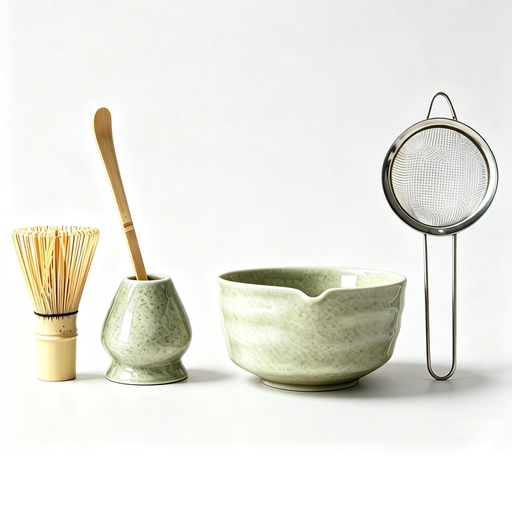
Why this product suits this profile: This five-piece set includes a bowl, bamboo whisk, sieve and holder, reducing the need to buy individual items when you are starting out.
The included stainless-steel sieve helps prevent lumps; however, the different materials require separate care.
Ceramic bowl, bamboo whisk and stainless-steel sieve; no assembly required.
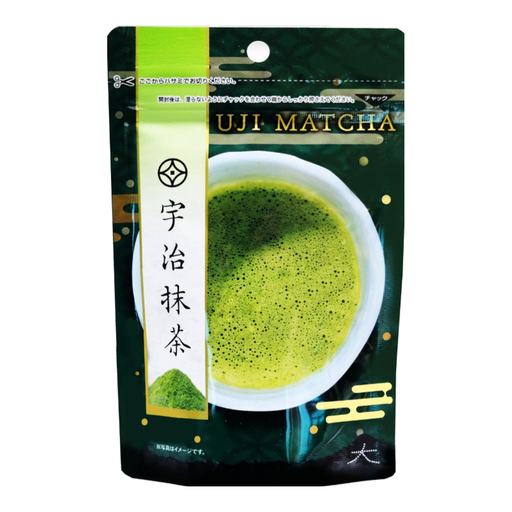
Why this product suits this profile: This pure powder from Uji is appealing to users who prioritise origin, pure ingredients and traditional matcha preparation.
The ingredients statement, “100% green tea”, distinguishes this product from sweetened latte blends containing creamer.
30-g pack, origin in Japan and suitable for drinks, desserts and cooking.
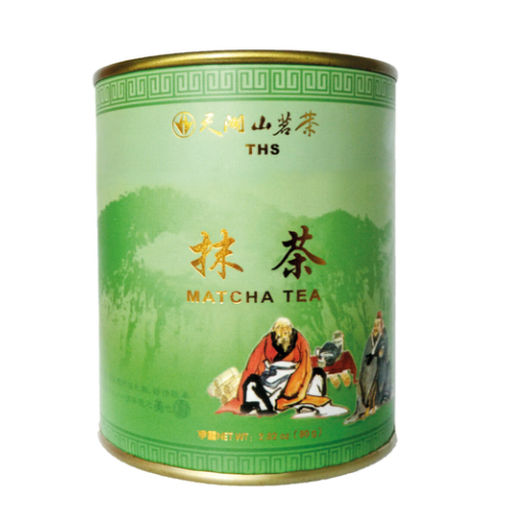
Why this product suits this profile: The 80-g tin is suitable for regular drinks, as well as for using matcha in smoothies and baking.
The ingredients list names matcha powder exclusively; according to the product information, it contains no sugar, fillers or artificial additives.
80-g container, suitable for vegans according to the product information, and versatile use.
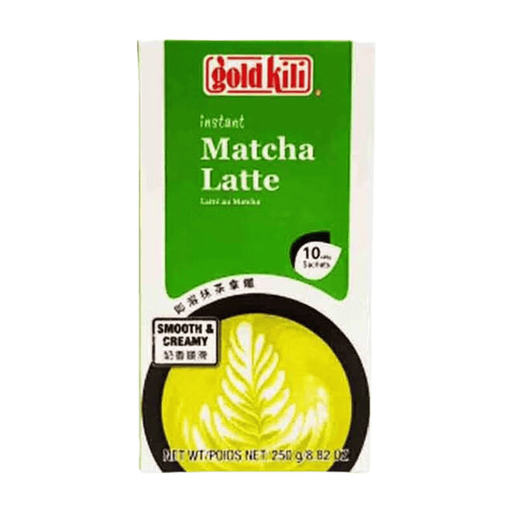
Why this product suits this profile: This blend is designed for users who want to prepare a hot or cold latte drink without weighing and sieving separate ingredients.
The clearly stated ingredients and reference to milk help distinguish this blend from vegan or pure matcha powder.
250-g pack and preparation with two to three teaspoons in 150–200 ml of hot liquid.
We have put together a complete, regularly updated list of products that fully meet these strict selection criteria and the safety regulations applicable in the EU.
For a classic cup, around 1–2 g of matcha is often whisked with 60–100 ml of hot, but not boiling, water. Several pure powders recommend a temperature of approximately 70–80 °C. First pass the powder through a sieve, mix it with a little water and then whisk it into a froth using the bamboo whisk with quick M- or W-shaped movements.
To make a matcha latte, the powder can first be dissolved in a little water and then combined with warm milk or a plant-based alternative. Instant matcha latte and sweetened blends generally do not require separate additions of sugar or creamer. The exact quantity depends on the instructions on the relevant packaging.
The best-before date is printed on the packaging. Once opened, matcha should ideally be stored in an airtight, dry, cool and light-protected place. Small packs are useful for occasional use because the powder is used up more quickly.
Pure matcha powder generally consists exclusively of ground green tea. With latte blends, however, ingredients such as milk powder, sodium caseinate or creamer must be checked. The labelling on the individual product is the deciding factor.
A bowl, sieve and bamboo whisk are helpful for traditional preparation, but they are not essential. A matcha set is particularly worthwhile if you drink matcha regularly or prepare it as part of Japanese tea culture. For occasional lattes, the powder and a suitable stirring utensil are often enough.