
Lieferung heute & morgen

Qualitätsgarantie

Willkommens-Angebote freischalten: KOSTENLOSE Lieferung | Bis zu 80 % RABATT | Kostenlose 30-Tage-JoyPlus-Testphase
App herunterladen
Matte lipsticks combine a non-shiny look with rich colour payoff. Depending on the formula, they can suit everyday wear, long days at work or special occasions. However, traditional matte lipstick, liquid lipstick and lip fluid differ considerably in how they apply, how long they last and how they feel on your lips.
If you focus only on the shade name or marketing claims, you may end up with a product that flakes quickly, applies unevenly or leaves your lips feeling dry. This buying guide explains which details really matter and which products suit different needs.
A long-lasting lipstick can leave colour on your lips for several hours, yet still transfer onto cups, clothing or skin. Claims such as kiss-proof lipstick, “transfer-proof” or “waterproof lipstick” should therefore always be considered in the context of how you use the product.
With many liquid formulas, transfer resistance only develops once the product has dried. Eating, oily skincare products and repeated contact can still affect the result. That’s why drying time is worth considering in practice.
A high-coverage lipstick often contains a high concentration of pigments. This creates bold colour, but makes careful preparation and application more important. Applying too much product can cause it to settle into lip lines or bleed beyond the lip line.
Uneven application is particularly noticeable with dark reds, berry shades and browns. A slim applicator or built-in application tip can give you more control.
Highly matte lip colours often contain powdery or film-forming ingredients that reduce shine. They can feel drier than a glossy tint. Claims about “moisture” vary from product to product and don’t replace checking how a formula works for you personally.
If you have sensitive lips, check the ingredients list and look out for fragrance and any ingredients you know you don’t tolerate. Stop using the product if you experience redness or irritation.
Your choice depends on whether you want quick application, intense coverage or a colour gradient that you can blend out. Korean lipstick is often associated with layering or a gradient effect, but it isn’t automatically matte or transfer-proof.
Look for specific claims such as “transfer-resistant once dry” rather than general promises. A matte lipstick may transfer less when its surface is dry, but that doesn’t mean it’s completely resistant to rubbing off.
For an even application:
Silicones, waxes, oils, pigments and film-forming agents all affect how smoothly a product applies, its finish and how long it lasts. For example, the stated INCI list for JUDYDOLL products includes Dimethicone, Isododecane, Silica and various pigments. The definitive ingredients list is on the product packaging and may vary between batches.
The ingredients listed for ARTDECO Mat Passion Lip Fluid include Hydrogenated Polyisobutene, Isododecane, Silica Dimethyl Silylate and colour pigments. If you want to avoid fragrance, check the current packaging. This also applies to products described online as especially comfortable or nourishing.
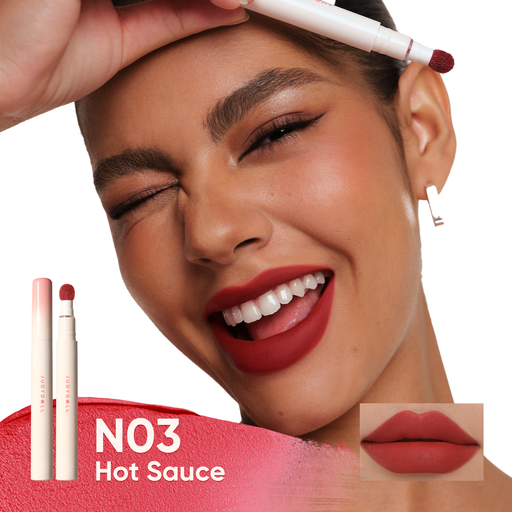
Why it suits this profile: The cushion tip is ideal if you want application similar to a liquid lipstick, with a convenient built-in applicator. The range is also available in other shades, including N12, N14 and N101.
The recommended one to two twists for everyday use help prevent applying too thick a layer of colour, which can lead to an uneven finish.
According to the product description: matte, even coverage, a soft-focus effect and a cushion tip. Claims about 24-hour wear, transfer resistance and water resistance are made by the manufacturer.
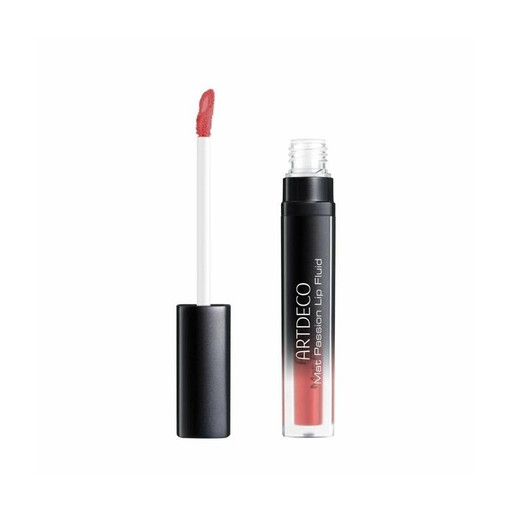
Why it suits this profile: This lip fluid is for anyone looking to combine high coverage with a precise flock applicator and a creamy liquid texture. Burnt Rose works for both understated and more striking everyday looks.
The precise applicator helps you define the lip line and reduces the risk of applying too much product when using highly pigmented shades.
According to the product description: a lightweight feel, high coverage and a transfer-resistant finish once dry. Check the packaging for the INCI list.
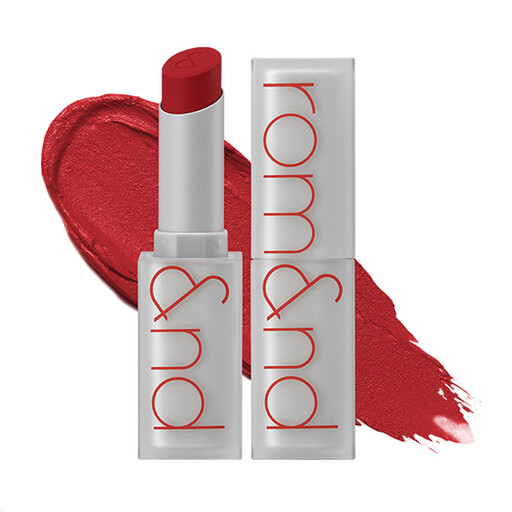
Why it suits this profile: This traditional matte lipstick is ideal if you prefer applying colour without a liquid applicator and want a warm red shade for a bold look.
Applying it straight from the bullet lets you build up the colour gradually. This makes it easier to control the coverage of an intense red shade.
According to the product description: a smooth, velvety matte texture and intense pigmentation. Wear time and how well it suits you depend on the packaging information and your own experience of using it.
Matte lipsticks look more even when your lips are as smooth as possible and free from excess oil. For a more defined lip line, you can start by applying a matching lip liner. After using liquid lipstick or lip fluid, make sure the cap is closed properly to stop the formula drying out.
Depending on the formula, an oil-based or dual-phase make-up remover can help remove the colour. Rubbing too hard can put extra strain on your lips. Also check the best-before date, batch number and period-after-opening information on the packaging.
It depends on your individual tolerance and the formula. Thin, creamy textures may feel more comfortable than very dry products that set quickly. A light lip balm before application may help, but it should be mostly absorbed before you apply your lipstick.
A clean, dry base, a thin first coat and enough drying time can often help your lipstick last longer. Oily foods and frequent rubbing can still wear away the colour. If needed, touch up the lipstick after eating.
Matte lipstick in a bullet has a solid texture and applies directly to the lips. Liquid lipstick is applied as a liquid and usually forms a film of colour once dry. Lip fluids sit between liquid lip colour and creamy lipstick in texture. Wear time and transfer depend on the individual product.