
Lieferung heute & morgen

Qualitätsgarantie

Willkommens-Angebote freischalten: KOSTENLOSE Lieferung | Bis zu 80 % RABATT | Kostenlose 30-Tage-JoyPlus-Testphase
App herunterladen
Unwanted shine on your T-zone appearing throughout the day, or makeup that fades after just a few hours—these are problems many of us know all too well. A good mattifying powder can be the solution. However, the market is flooded with products whose promises often outweigh their performance. The wrong textures and unsuitable ingredients can quickly lead to an unnatural result and unnecessary expense.
As your Joybuy Product Recommendation Officer, I'm here to help you identify the common pitfalls and make an informed decision. We'll focus on the objective criteria that truly matter, so you can find the perfect product for your needs.
Before we turn to the solutions, it's important to understand the most common issues that lead to a bad purchase. Many products fail to meet basic requirements, a fact that often only becomes apparent during daily use after you've bought them.
To avoid these mistakes, you should focus on three core parameters. These will help you objectively evaluate a powder's performance.
The choice between loose and pressed powder depends on your intended use. Both formats have specific advantages and disadvantages.
The formulation determines the final result on your skin.
The ingredients are crucial for effectiveness. For powder for oily skin, absorbent components are essential. Look for ingredients such as:
Here are some product recommendations tailored to specific user profiles that take the aforementioned pitfalls into account.
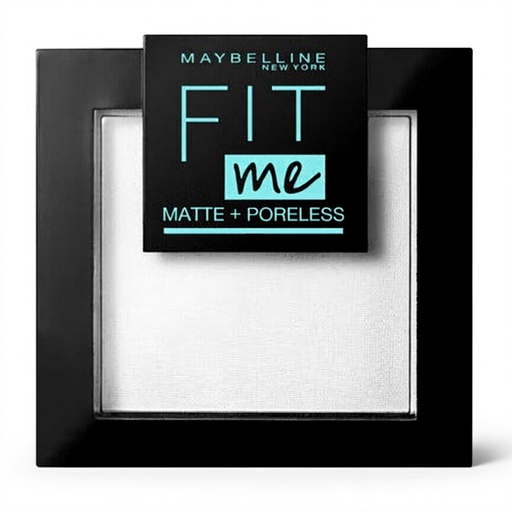
Why This Fits Their Persona: This pressed powder is a practical and reliable choice for your daily routine. It effectively controls shine and its compact format makes it ideal for quick touch-ups throughout the day.
The formula with perlite absorbs oil without feeling heavy on the skin, counteracting the "cakey" effect. The translucent version (090) bypasses the problem of choosing the wrong shade.
Contains perlite, a mineral known for its high absorbency that promotes a matte finish. The texture is designed to visually refine pores.
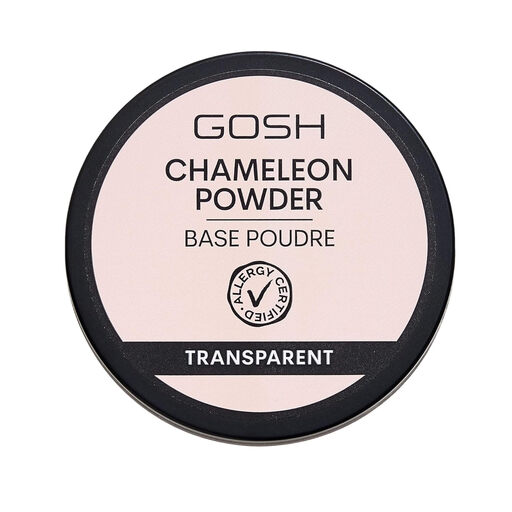
Why This Fits Their Persona: This loose powder is ideal for users who want to set their makeup without altering its colour. It's suitable for all skin tones, making it a flexible addition to any makeup collection.
As a translucent powder, it completely eliminates the risk of a shade mismatch. The formulation is designed to create a soft-focus effect and minimise settling into fine lines.
The vegan formula, based on rice starch (Oryza Sativa Powder), controls sebum production and provides a velvety-matte finish. It is also fragrance-free.
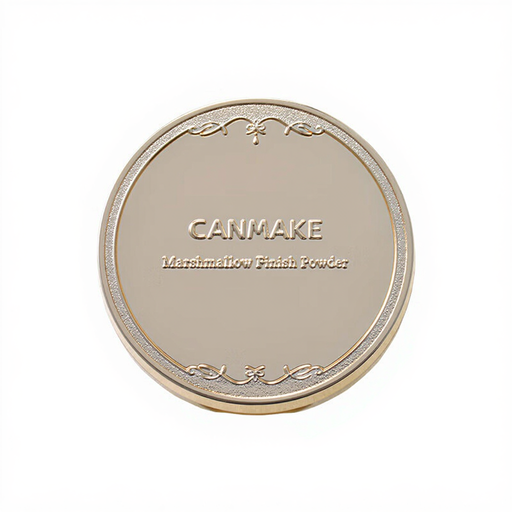
Why This Fits Their Persona: This pressed powder is aimed at users seeking an exceptionally soft, even finish. It's renowned for its "soft-focus effect" that visually minimises pores and creates a flawless complexion.
The finely milled formula is specifically developed to prevent a "cakey" effect. It melts into the skin, leaving a natural yet perfected finish instead of sitting on top of it.
Creates a signature "marshmallow-soft" matte finish. The formula, with silica and zinc oxide, helps control excess oil and set makeup.
We've compiled a complete, up-to-date list of products that fully meet these strict selection criteria.
1. How do I apply mattifying powder without it looking cakey? The key is the amount and the right tool. For a natural result, use a large, fluffy powder brush. Pick up a small amount of powder, tap off the excess on the back of your hand, and apply it in light, circular or dabbing motions. Focus on the T-zone (forehead, nose, chin), where the skin is most prone to shine.
2. What is the difference between a setting powder and a finishing powder? A setting powder is primarily used to set liquid or cream products like foundation and concealer, extend their wear, and mattify the skin. It is often translucent or lightly tinted. A finishing powder is applied as the final step to visually refine the skin's texture, minimise pores, and create a "soft-focus effect." It typically doesn't offer strong mattification or setting power. Some modern products combine both functions.
3. Can I use powder without foundation? Yes, absolutely. A mattifying powder can also be applied directly to moisturised skin. This is a great option for days when you only want to control light shine and minimally even out your complexion without wearing a full foundation. A tinted powder is particularly well-suited for this.