
Lieferung heute & morgen

Qualitätsgarantie

Willkommens-Angebote freischalten: KOSTENLOSE Lieferung | Bis zu 80 % RABATT | Kostenlose 30-Tage-JoyPlus-Testphase
App herunterladen
A mattress mite remover can free mattresses, bedding, sofas and other textiles from household dust, dead skin cells and pet hair. However, these devices differ significantly when it comes to filtration, heat function, beating function, power supply and ease of use. A high wattage or a flashy UV-C claim alone doesn't tell you much about how well it will perform in everyday life.
A mite remover with UV-C light sounds particularly powerful at first glance. What really matters, though, is whether the lamp only activates when in direct contact with the surface, how wide it works, and whether a safety sensor is fitted. UV-C light should never be looked at directly. On a suitable device, the lamp must switch off automatically when lifted or tilted.
What's more, UV-C doesn't replace mechanical cleaning. Dust and particles must first be loosened from the fabric and reliably extracted. Claims like '99.9%' should therefore always be taken as the manufacturer's statement. According to the ochama device manufacturer, this rate refers to the described UV-C sterilisation under the specified operating conditions; it is not a general guarantee for every surface or every use.
The wattage primarily describes the electrical power consumption. For a proper comparison, you also need values such as suction pressure in kPa, beating frequency, nozzle width and the filtration system. A mattress vacuum cleaner with high motor power can be impractical if it's heavy, clogs quickly, or only has a small dust container.
Fine particles put a lot of strain on the filter. A mattress vacuum cleaner with a HEPA filter should therefore have an easily accessible dust container and a filter that can be cleaned or replaced according to the instruction manual. Washable filters must be completely dry before they are reinserted. Otherwise, the motor and filter unit can be damaged.
A mite remover with hot air and a beating function usually combines three steps: the beating unit loosens particles from the fabric, the airflow extracts them, and warm air helps dry the surface. When choosing, the following details are relevant:
You should move the device slowly and steadily. Moving it too quickly reduces the contact time of the beating function, suction air and, if applicable, the UV-C lamp.
Look for multi-stage filtration, a sealed construction and a dust container that can be emptied hygienically. A dual dust container can keep dust and other collected particles separate. In a household with allergy sufferers or sensitive skin, it's also important that the filter doesn't have to be tapped out directly over the cleaned area.
Corded devices offer consistent running time and are suitable for cleaning several mattresses one after another. Check the cable length, weight and the position of the cable. Battery-powered devices give you more freedom of movement, but need to be charged after use. For cleaning the bed, sofa, carpet and car upholstery, interchangeable accessories can increase practical usefulness.
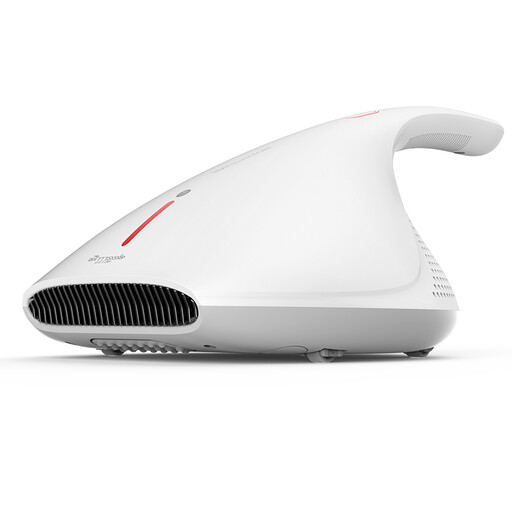
Why this product suits the profile: This corded model is ideal for users who want to clean mattresses and sofas regularly without having to worry about battery life.
The technical specifications list suction pressure, beating frequency, filtration and cable length instead of just motor power: 13 kPa, 8,000 beating movements per minute, two-layer HEPA filtration and a 4.5-metre cable.
50 °C warm air, UV-C lamp, 0.5-litre dust container and a removable container for cleaning.
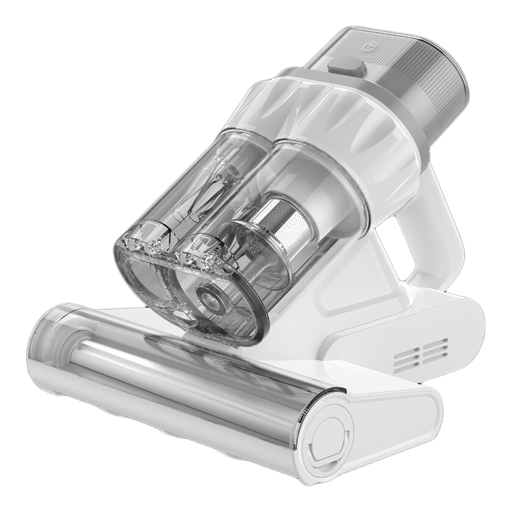
Why this product suits the profile: The combination of a display, wide suction opening and separate dust chambers is aimed at users who want to carry out the cleaning process in a controlled manner.
The 240 mm suction opening reduces the number of passes on large surfaces. According to the product description, the UV-C operation is linked to a safety sensor.
12 kPa suction power, 65 °C hot air, 300-watt motor and a 5-metre cable. The manufacturer's description also mentions a beating frequency of 72,000.
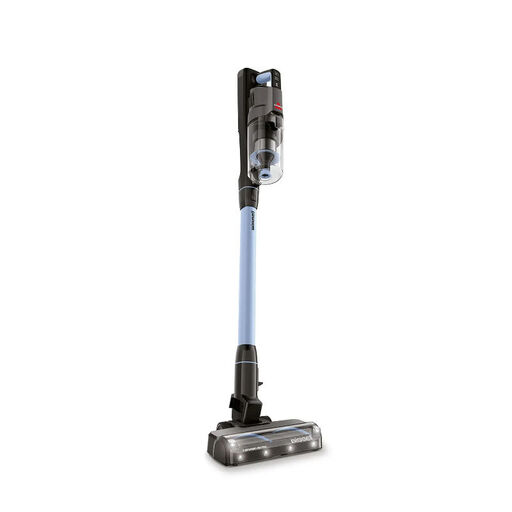
Why this product suits the profile: Pet owners get a cordless 3-in-1 device for floors, sofas, stairs and pet hair, rather than just a dedicated bed vacuum cleaner.
Its suitability isn't limited to UV-C marketing: a tangle-resistant brush roll and a sealed filtration system address typical problems with pet hair and fine dust.
Up to 40 minutes of battery life, 200 watts, a handheld vacuum function and, according to the manufacturer, a sealed HEPA allergen system with 99.97% filtration efficiency for fine dust and allergens.
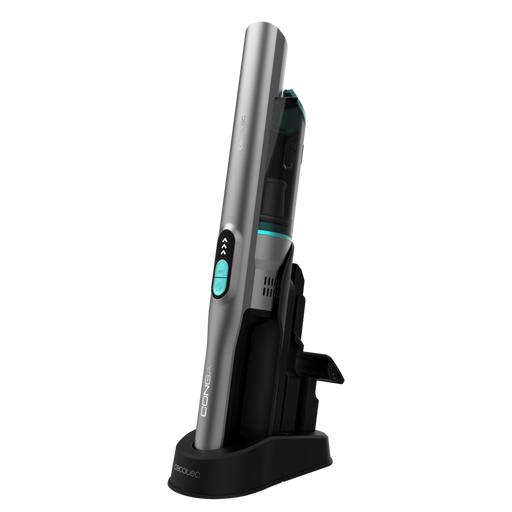
Why this product suits the profile: This lightweight cordless handheld device is ideal for upholstery, corners, stairs and the car when a versatile upholstery vacuum cleaner is needed.
The choice can be narrowed down to the actual purpose: for short jobs on the sofa, upholstery or car, a compact device is more practical than a large specialist machine.
Up to 40 minutes of runtime, 20 kPa maximum suction power, two operating modes and a motorised nozzle for mattresses and upholstery.
We've put together a full, regularly updated list of products that fully meet these strict selection criteria and the safety regulations in force in the EU.
Before vacuuming, remove any large crumbs, blankets and loose items. Guide the mattress mite remover slowly over the surface and work in overlapping passes. Delicate materials such as silk or very thin synthetic fibres should only be treated with hot air in accordance with the instruction manual.
After each use, we recommend:
A mite vacuum cleaner for sofas and carpets is not automatically suitable for every type of mattress. Check the manufacturer's material instructions and test the heat or brush functions on an inconspicuous area first.
This depends on usage, dust exposure, pets and the room climate. What matters is regular cleaning of the mattress surface, sofa and carpets, as well as washing the bedding according to the respective care instructions. The mite remover is a supplement to household cleaning and does not replace airing the room or washing removable covers.
The lifespan is determined by factors including filter care, operating time, dust volume and the condition of the cable, battery and brushes. With battery-powered models, battery ageing is also relevant. A replaceable or separately available filter can make maintenance easier. Details about the warranty and spare parts should be checked before purchase.
The consumption depends on the stated power input and the actual running time. A device with 300 or 450 watts uses around 0.3 or 0.45 kWh respectively for one hour of operation, provided it continuously draws that power. So the ongoing costs are mainly determined by the cleaning time, frequency of use and your electricity tariff.