
Lieferung heute & morgen

Qualitätsgarantie

Willkommens-Angebote freischalten: KOSTENLOSE Lieferung | Bis zu 80 % RABATT | Kostenlose 30-Tage-JoyPlus-Testphase
App herunterladen
A mattress topper can be a smart investment to upgrade your sleep comfort without having to buy a whole new mattress. However, the market is overwhelming and filled with marketing promises that often create more confusion than clarity. Many buyers invest in a mattress topper only to find that it doesn't meet their expectations after just a few months. The most common problems are inadequate support, rapid material fatigue, or an uncomfortable sleep climate.
Before you make a decision, it's crucial to understand the typical pitfalls that can lead to a bad purchase:
To avoid these problems, taking a look at objective product features is essential.
Instead of being guided by advertising slogans, you should base your choice on verifiable parameters. Three factors are of particular importance: the material, the combination of height and density, and certifications and care properties.
The core material significantly determines the feel and the sleep climate. The three most common types of foam have different properties:
The total height of a topper is often a prominent selling point, but it alone says little about the quality. A 5 cm high topper with high density can be more durable and supportive than a 9 cm high topper with low density.
Foam Density (RG), specified in kilograms per cubic meter (kg/m?), is the crucial indicator of the foam's durability and quality. It describes how much raw material was used for one cubic meter of foam.
A good sleeping environment is also a hygienic one. Therefore, pay attention to two essential features:
Based on the quality criteria mentioned, we have identified some products that represent a suitable solution for different user profiles.
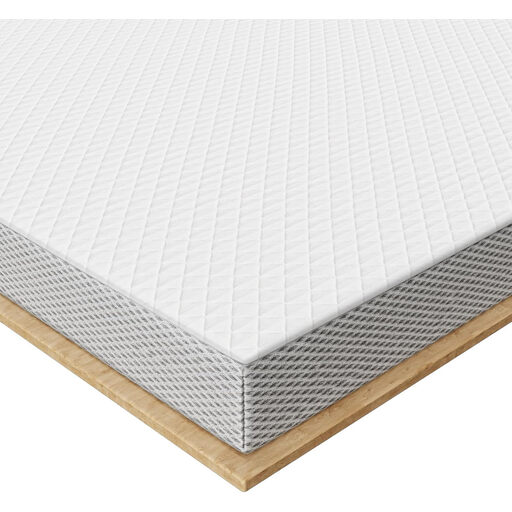
Why This Fits Their Persona: Offers a cost-effective way to noticeably improve the comfort of an existing mattress or sofa bed. The standard size 160x200 topper fits most double beds in Germany.
Instead of vague firmness promises, this topper offers a medium-firm surface made of proven Memory Foam Topper material that adapts to the body and reduces pressure points.
The combination of being Oeko-Tex certified and having a removable, washable cover offers a high degree of hygiene and safety in this price range.
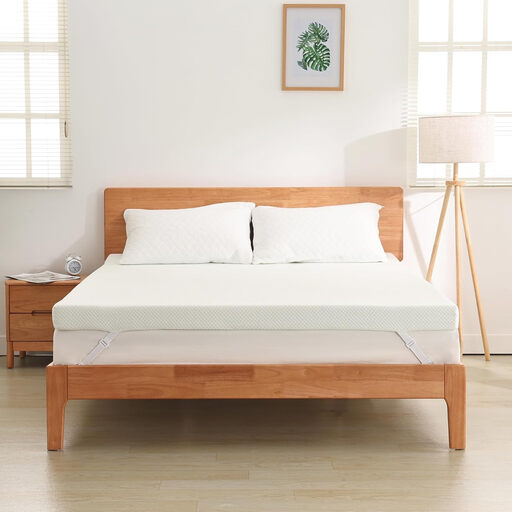
Why This Fits Their Persona: Ideal for users seeking a luxurious feel and improved temperature regulation, for example, to upgrade a topper for a box spring bed.
This Gel Foam Topper relies on a 9 cm high core of gel-infused cold foam, known for its open-cell structure and associated breathability. This counteracts heat buildup without promising exaggerated cooling effects.
The considerable height of 9 cm provides significant pressure relief and a soft feel. Certifications from Oeko-Tex and CertiPUR attest to the material's quality.
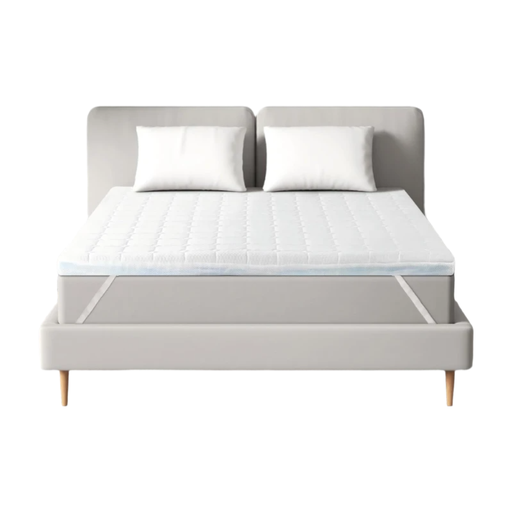
Why This Fits Their Persona: Perfect for individuals who need targeted support in the shoulder and pelvic areas or who value an ergonomic sleeping position to prevent tension.
This 7-zone mattress topper counteracts rapid sagging with a structured surface. This provides targeted support to the body and relieves stress on the material, which promotes durability.
The 7-zone structure offers differentiated support for various body areas, which can be particularly beneficial for side sleepers. A non-slip bottom and elastic straps ensure a secure fit.
We've compiled a complete, up-to-date list of products that fully meet these strict selection criteria and German safety regulations.
A mattress topper is for improving comfort, not for repairs. It can make a too-firm mattress softer or even out a slightly uneven surface. However, even the best topper cannot salvage a severely sagging mattress with distinct indentations. In this case, the topper won't have a stable base and will quickly adopt the sag itself.
Most toppers are rolled and vacuum-packed for shipping. After unpacking, they generally need 24 to 72 hours to fully expand and reach their final height and shape. It is advisable to let the topper air out in a well-ventilated room so that any potential manufacturing odors can dissipate.
For good bed hygiene, it is recommended to wash the topper's cover every two to three months. People who sweat a lot or have allergies might want to clean the cover more frequently, about once a month. Always follow the manufacturer's washing instructions to ensure the material's longevity.