
Lieferung heute & morgen

Qualitätsgarantie

Willkommens-Angebote freischalten: KOSTENLOSE Lieferung | Bis zu 80 % RABATT | Kostenlose 30-Tage-JoyPlus-Testphase
App herunterladen
Anyone who prepares their meals for the week knows the goal: fresh, delicious food that still tastes great at the office or university come lunchtime. However, the reality is often different—the salad is soggy, the sauce has leaked, or the different components have merged into an unappetizing mush. Choosing the right container is crucial to avoid these problems.
This article serves as a practical guide. It introduces various types of meal prep containers and explains which features are important for different kinds of meals. This will help you find a solution that gets your food to its destination safely and freshly.
The search for the perfect on-the-go food container can be overwhelming. The following criteria will help you make an informed decision.
Most modern food storage containers are made of plastic, glass, or stainless steel. Plastic containers, especially those made from polypropylene (PP), are lightweight, shatterproof, and often cost-effective. It is essential to look for the BPA-free label. BPA (Bisphenol A) is a chemical compound found in some plastics, and its use in food containers is strictly regulated in the EU. BPA-free products provide a safe foundation for storing your food. Also, check the manufacturer's instructions regarding suitability for the microwave and dishwasher to simplify everyday use.
A lunch box with compartments is fundamental for keeping ingredients separate. This is especially important for preserving the freshness and texture of your food.
Nothing is more frustrating than a leaked sauce in your bag. A leak-proof lunch box or a suitable container for liquid foods is therefore essential. Systems with four-sided locking clips and a silicone seal in the lid have proven to be particularly reliable. Brands like LocknLock food storage containers are known for their patented locking systems, which are designed to ensure a superior seal.
Based on the criteria mentioned, we have compiled a selection of functional containers for various applications.
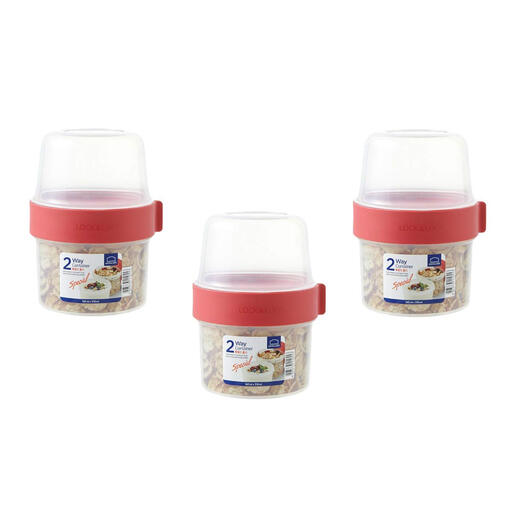
Why it stands out: This set is specifically designed for snacks and breakfast. Each of the three containers features two separate chambers connected by a screw-on lid with a divider. This is ideal for keeping liquid and solid components separate.
Benefits:
Best for: Individuals who enjoy taking yogurt with granola, fruit with quark, or vegetables with dip for breakfast or as a snack.
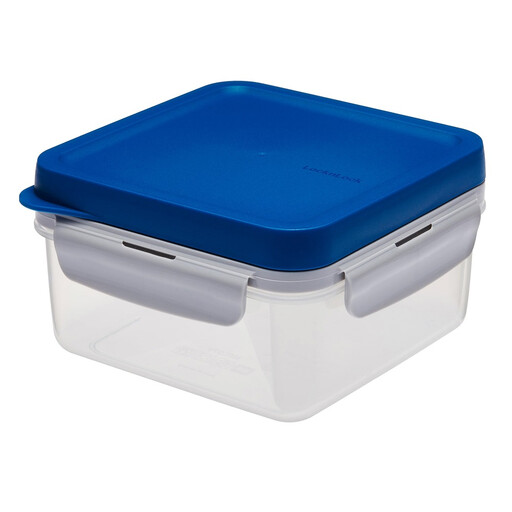
Why it stands out: This Bento Box is an all-in-one solution for a complete meal. With three removable compartments and an integrated cutlery set, it offers maximum flexibility on the go.
Benefits:
Best for: Professionals and students who want to securely transport a complete, home-cooked meal, including sides and sauce.
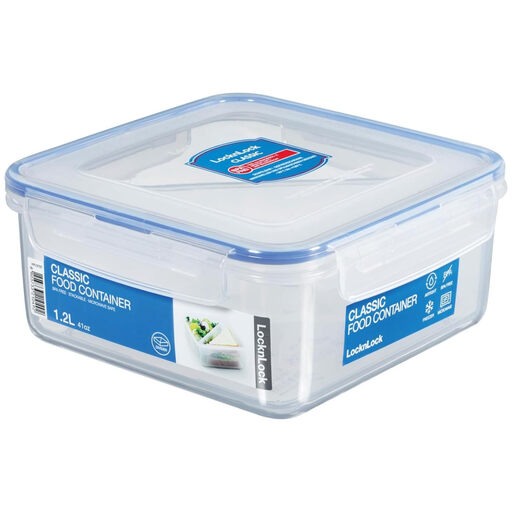
Why it stands out: This box was specifically designed for transporting sandwiches. A built-in divider ensures that moist ingredients like tomatoes or cucumbers can be stored separately from the bread to prevent it from getting soggy.
Benefits:
Best for: Anyone who regularly prepares sandwiches or wraps for their lunch break and wants them to stay fresh until it's time to eat.
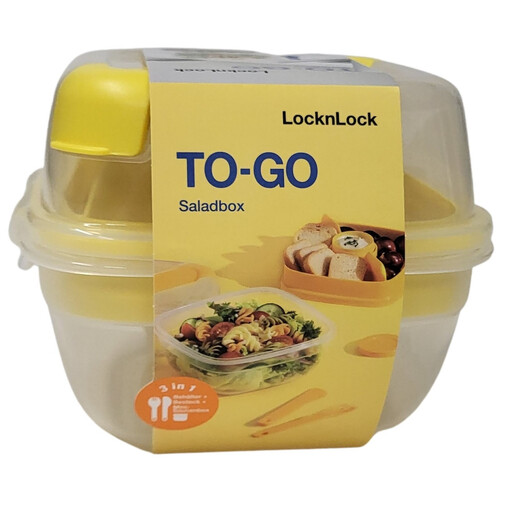
Why it stands out: This to-go salad container is the solution for crisp, fresh salads on the move. A removable insert with three compartments in the lid keeps toppings and dressing neatly separated from the salad.
Benefits:
Best for: Health-conscious individuals looking for a dedicated and thoughtfully designed solution for transporting fresh salads.
Haven't found the right container for your needs yet, or are you looking for different sizes and shapes? There is a wide variety of food storage solutions available.
Discover a broader selection in our Sealable Plastic Storage Boxes category.
BPA stands for Bisphenol A, an industrial chemical used to make certain plastics. When it comes to food containers, it's important to look for the "BPA-free" label, as this means the plastic was manufactured without this specific chemical. The European Union strictly regulates the use of BPA in food contact materials to ensure consumer safety.
No, not every container is suitable for the microwave. Always check the manufacturer's instructions, which are usually found on the bottom of the container. As a general rule, lids should be removed before heating to prevent pressure build-up. Containers made of glass or specific plastics like polypropylene (PP) are often microwave-safe, while other materials could melt or release harmful substances.
Most modern meal prep containers are dishwasher-safe, which makes cleaning much easier. It is often recommended to place the containers and lids on the top rack of the dishwasher. Alternatively, they can be washed by hand with warm water and mild dish soap. It is important to let all parts, especially the seals, dry completely after cleaning to prevent the build-up of odours or mould.