
Lieferung heute & morgen

Qualitätsgarantie

Willkommens-Angebote freischalten: KOSTENLOSE Lieferung | Bis zu 80 % RABATT | Kostenlose 30-Tage-JoyPlus-Testphase
App herunterladen
A packed schedule, little time to cook, and yet a desire for a balanced diet—a situation familiar to many professionals, students, and fitness enthusiasts in the UK. A meal replacement shake seems like the ideal solution. However, the market is confusing, and many products don't deliver on their promises. Before you make a decision, it's crucial to understand the typical pitfalls that can lead to a poor purchase.
This guide will help you separate marketing hype from facts and find a drinkable meal that truly fits your needs.
Many shakes are advertised as a healthy quick meal, but they often hide disappointing compromises. Watch out for these three common problems:
To ensure you get a high-quality product that serves its purpose, you should check three crucial criteria.
A meal replacement must provide more than just protein. A balanced composition is essential for long-lasting satiety and nourishing the body.
A complete drinkable meal must supply the body with all necessary vitamins and minerals. Make sure the product contains a list of 26 essential vitamins and minerals. A good drinkable meal covers about 20–30% of the daily requirement for these micronutrients per serving, ensuring that no deficiencies occur even with a fast-paced lifestyle.
The quality of the ingredients is just as important as the nutritional profile. Check the ingredient list for unwanted additives. There are also suitable options for people with special dietary needs. Many manufacturers now offer products that are lactose-free and gluten-free to ensure broad digestibility.
Based on the criteria above, we have identified some products that are a suitable solution for different user profiles.
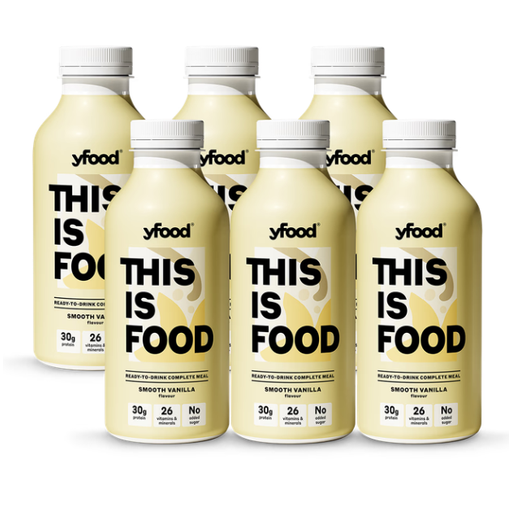
Why This Fits Their Persona: Ideal for the hectic workday. The ready-to-drink bottle requires no preparation and provides a complete, satisfying meal for the office, lunch break, or on the go.
Sidesteps the trap of an incomplete nutritional profile. With 500 kcal per bottle, 34g of protein, and 26 vitamins & minerals, this is a complete meal, not just a simple snack.
Advantage: Ready to drink and shelf-stable. Pros: Lactose-free and gluten-free for good digestibility.
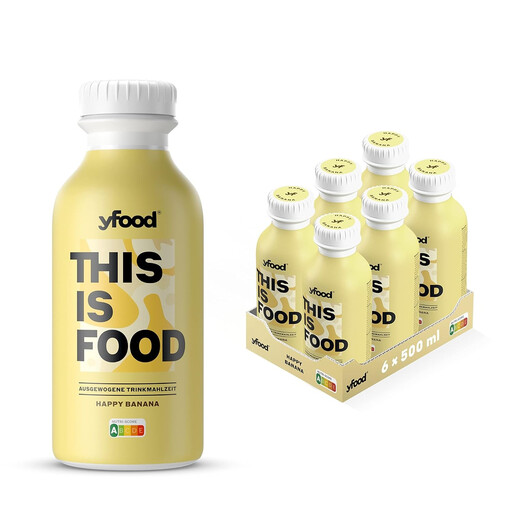
Why This Fits Their Persona: Perfect as a quick meal before or after a workout. The high protein content supports muscle growth, while the balanced nutrients promote recovery without compromising macro targets.
Avoids the "protein-only" shake trap. With 33g of protein and a complete nutrient matrix, this is more than just a recovery drink—it's a full meal.
Advantage: High protein content to support athletic goals. Pros: Contains fibre from oats for long-lasting satiety.
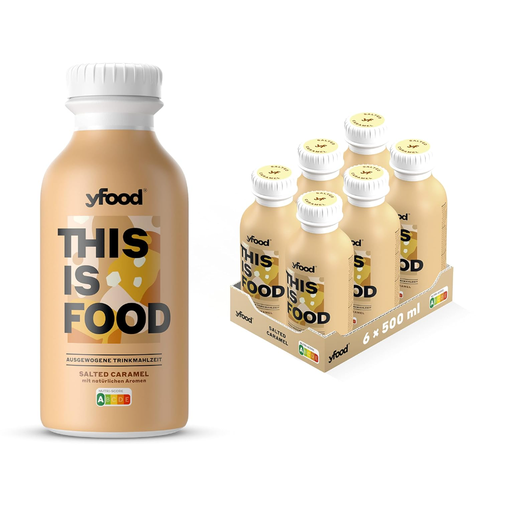
Why This Fits Their Persona: The appealing flavour makes it easy to start with meal replacements without feeling deprived. A great option as a meal replacement for weight loss, as the calories are controlled and nutrients are guaranteed.
Avoids the sugar trap. Despite the sweet taste, it contains no added sugar and uses sweeteners instead. The shake remains nutrient-dense and satisfying.
Advantage: A guilt-free flavour experience, ideal for getting started. Pros: Keeps you full for 3-5 hours according to the manufacturer, helping to prevent cravings.
We've compiled a complete, up-to-date list of products that fully meet these strict selection criteria and UK regulations.
A meal replacement for weight loss can be a useful tool for achieving a calorie deficit. By replacing one or more meals with a calorie-controlled yet nutrient-rich shake, daily calorie intake is easier to manage. However, success depends on an overall balanced diet and an active lifestyle. It is not a standalone solution, but a support tool.
The duration of satiety depends heavily on the composition. A well-formulated shake with a high content of protein (approx. 30 g), fibre (over 5 g), and healthy fats can keep you full for about 3 to 5 hours, similar to a solid meal. Products with low calorie or fibre content often lead to hunger more quickly.
Drinkable meals are designed to replace a full meal and are safe for occasional to regular use, especially when there's no time for a freshly prepared meal. They can help you avoid reaching for nutrient-poor fast-food alternatives. Nevertheless, a healthy diet should also be based on a variety of whole foods in the long term.