
Lieferung heute & morgen

Qualitätsgarantie

Willkommens-Angebote freischalten: KOSTENLOSE Lieferung | Bis zu 80 % RABATT | Kostenlose 30-Tage-JoyPlus-Testphase
App herunterladen
Whether for DIY projects, academic studies, or professional work, precise measuring tools are the foundation of any successful project. However, the market is flooded with products whose quality only becomes apparent after purchase. An inaccurate tape measure can ruin an entire construction project, while a brittle ruler leads to frustration in the classroom. As your Joybuy Product Recommendation Officer, I'll help you identify the common pitfalls and make an informed decision.
Before you invest in a new tool, you should be aware of the three most common weaknesses that often lead to a poor purchase:
To avoid these problems, focus on a few crucial technical parameters.
The material is the most important indicator of a measuring tool's longevity and precision.
A precise scale is useless if it isn't easy to read.
Here are some recommendations tailored to specific user profiles and their needs.
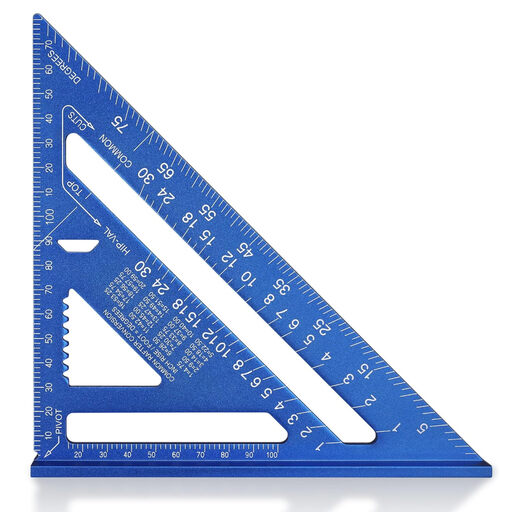
Why It's a Great Fit: Ideal for woodworking and DIY projects where precise angles and straight cuts are crucial. Its multifunctionality as an angle finder, scribe, and saw guide replaces several individual tools, making it a versatile DIY tool.
The matte, anti-glare surface and clear scales prevent reading errors. The robust aluminium alloy resists bending and corrosion, unlike tools made from low-quality plastic.
Multifunctional design for 0–90 degree angles and a durable, high-precision construction.
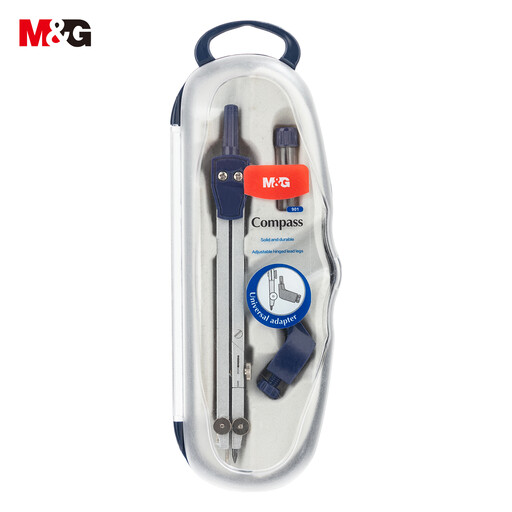
Why It's a Great Fit: An essential tool for pupils, university students, and trainees in geometry, mathematics, and technical drawing. The sturdy metal construction ensures precise circles without slipping.
Unlike flimsy plastic compasses, the solid metal construction provides the necessary stability for exact drawings. The included case protects the compass from damage and loss.
Sturdy metal construction for high precision; includes a universal adapter for pencil leads and a protective case.
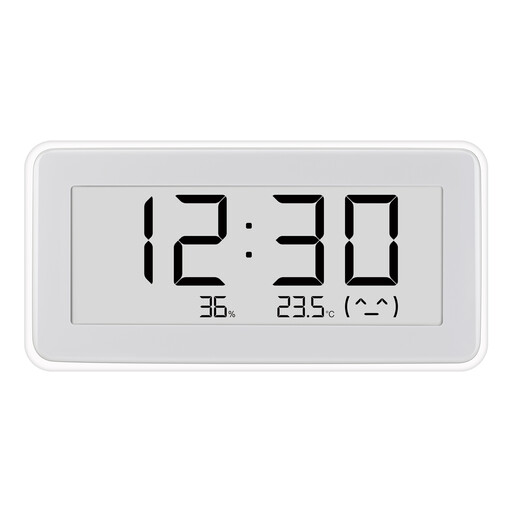
Why It's a Great Fit: Perfect for tech-savvy users who want to monitor their indoor climate to improve living comfort or protect sensitive items (e.g., musical instruments). A modern digital thermometer-hygrometer.
Instead of inaccurate analogue displays, this device delivers precise digital data. The E-Ink display is always easy to read and extremely energy-efficient, eliminating the need for frequent battery changes.
Precise, real-time monitoring of temperature and humidity; energy-efficient display and smart connectivity via Bluetooth.
We have compiled a complete, up-to-date list of products that fully meet these strict selection criteria and German regulations.
Look for clear, durable markings (ideally engraved) and a sturdy construction from high-quality materials like aluminium or solid steel. For digital devices, the manufacturer's specifications on measurement accuracy are an important indicator.
For angle finders used in crafts or woodworking, a solid aluminium alloy is an excellent choice. It is lightweight, does not rust, and is extremely dimensionally stable, which ensures long-term accuracy.