
Lieferung heute & morgen

Qualitätsgarantie

Willkommens-Angebote freischalten: KOSTENLOSE Lieferung | Bis zu 80 % RABATT | Kostenlose 30-Tage-JoyPlus-Testphase
App herunterladen
Whether you are renovating, drawing, doing joinery, cooking or baking, measuring tools and instruments need to suit the task at hand. A ruler for straight lines cannot replace a square, a spirit level does not measure distances, and kitchen scales do not automatically provide reliable results on every surface.
Purchasing mistakes often come down to three common pitfalls:
First, check what length or weight you actually need. A flexible 30 cm ruler is useful for sketches, schoolwork, templates and irregular surfaces. Its bendable design allows it to follow curves, while transparent centimetre and millimetre markings make it easier to read.
For longer distances, a 2 m folding rule is a practical choice. Look for clearly visible sections, sturdy joints and a design that folds away neatly to save space. For measuring distances indoors or on building sites, a laser distance meter can make the process easier. Before buying, however, check the measuring range, display, power supply and stated accuracy in the product description.
For kitchen scales, maximum capacity and graduations are key. 5 kg kitchen scales with 1 g increments cover many everyday ingredient quantities. A higher capacity is useful when weighing bowls or larger portions. A display in millilitres is also not automatically equally accurate for every liquid, as the density of water, oil and milk varies.
For joinery work, a carpenter’s square set should ideally retain its shape. Aluminium is lightweight and hard-wearing; integrated vials can also provide a quick check of angles and alignment. Before buying, check that it includes the sizes you need and that the edges have been finished cleanly.
A 600 mm spirit level is practical for aligning shelves, furniture, picture frames and longer edges. In the model described, the housing and plastic parts are made from aluminium and ABS respectively; the stated length is 600 mm. For an accurate reading, the tool must be placed on a clean, level surface. Knocks, heavy moisture and using it as a lever or striking tool can affect its performance.
In the kitchen, smooth surfaces are easy to clean. However, glass and stainless steel should not be submerged or treated with harsh cleaning products unless the product information specifically allows this. Measuring jugs made from transparent PP or borosilicate glass make readings easier, but differ in terms of temperature resistance, weight and risk of breakage.
Digital devices need power and a suitable stable surface. Check whether batteries are included, whether the device switches off automatically and whether it has overload or low-battery warnings. Digital kitchen scales should be placed on a level surface and protected from liquid.
For liquids, a 500 ml measuring jug or a 350 ml measuring jug may be suitable, depending on the quantity required by the recipe. A clearly readable scale, secure handle and well-controlled pouring spout are more important than a decorative colour. A coffee measure can be useful if you want to portion out repeatable quantities. The actual fill volume should be assessed using the product description rather than general advertising claims.
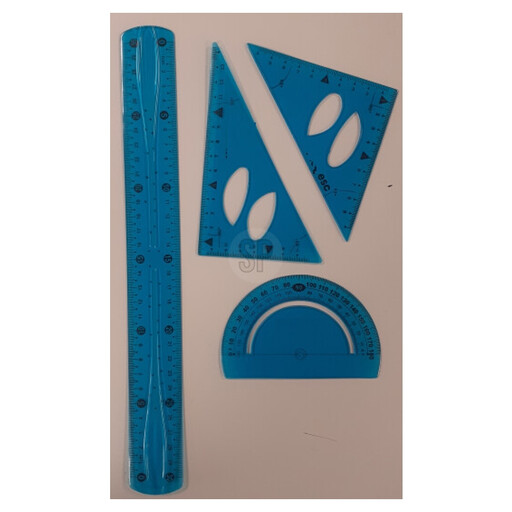
Why this product suits this profile: The 30 cm format is suitable for school, university, drawing and small craft or design projects. Its flexible design can be placed against curved surfaces.
The transparent surface and centimetre and millimetre markings make the scale easy to follow. The flexibility reduces the risk of using an unsuitable rigid ruler for curves.
30 cm length, transparent plastic construction and bendable design for arcs and irregular contours.
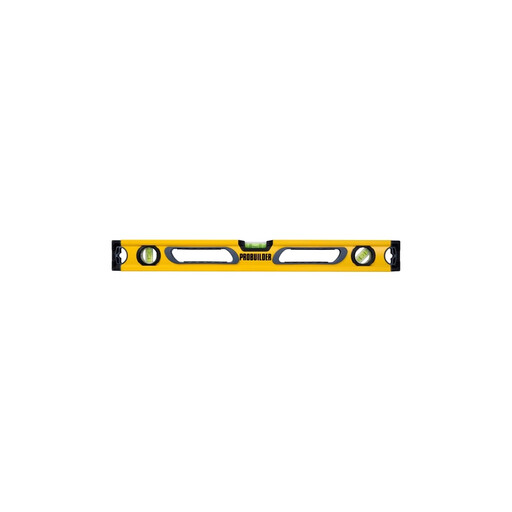
Why this product suits this profile: The 600 mm length is suitable for shelves, furniture, picture frames and many renovation projects. Its stated weight of 0.508 kg makes it easy to handle.
The product information specifies the length, materials and usage instructions. You can check the tool for damage before use instead of relying on an unclear or damaged vial.
600 mm length plus an aluminium and ABS plastic housing with horizontal and vertical vials.
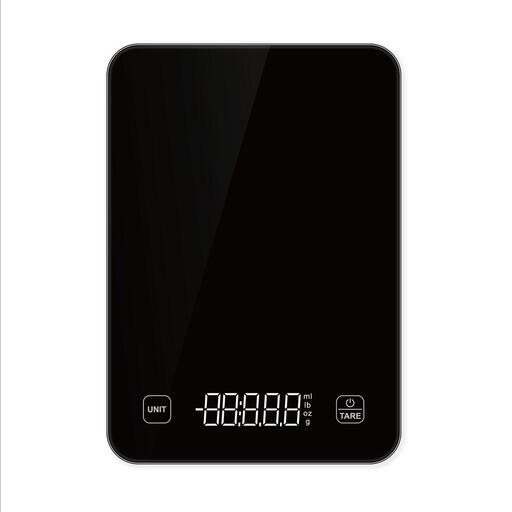
Why this product suits this profile: For frequent use in the kitchen, bakery or coffee station, these scales offer a stated capacity of 10 kg and 1 g graduations. Bluetooth and app connectivity are useful for anyone who wants to manage digital recipe or portion data.
The specific minimum load of 3 g, 1 g graduations and supported units are clearly stated. This allows you to check whether the scales are suitable for both small ingredients and larger bowls.
10 kg capacity, 1 g graduations, multiple units and a 3 mm glass surface, with compact dimensions of 200 × 140 × 19.5 mm.
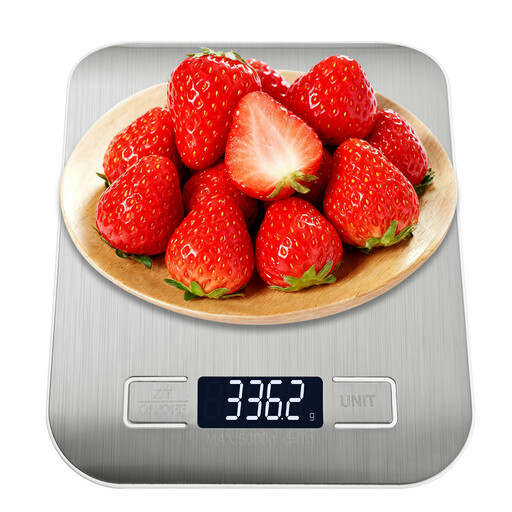
Why this product suits this profile: These compact scales are designed for everyday cooking, baking and portioning. The stated capacity of 5 kg and 1 g graduations suit many standard recipes.
The maximum load, graduations, units and power supply are all clearly specified. Two AAA batteries are not included, so this should be taken into account when buying.
5 kg capacity, 1 g graduations, LCD display, multiple weight units, plus overload and low-battery warnings.
For precise 90-degree markings, two sizes from a carpenter’s square set may be more useful than a single universal model. The FX Tools set includes 15 cm and 25 cm aluminium squares with integrated vials. For liquids, you can choose between a BJ borosilicate glass measuring jug with 350 ml capacity and a 500 ml PP measuring jug. For coffee, an adjustable coffee measure complements kitchen scales, but it cannot replace a weight measurement when a recipe calls for a specific number of grams.
We have put together a complete, regularly updated list of products that fully meet these strict selection criteria and the safety regulations applicable in the EU.
Use a clean, stable surface and read scales as straight on as possible. With spirit levels, the measuring surfaces must be free from dust. Kitchen scales should be set to zero before weighing and should not be used on soft or unstable surfaces.
Service life depends on the material, the level of use and storage conditions. Rulers and squares should not be exposed to high heat for extended periods. Spirit levels must not be used as levers or striking tools. Electronic scales should be stored in a dry place and protected from overloading.
Digital kitchen scales and laser distance meters require batteries or a rechargeable battery. Look for automatic switch-off, low-battery warnings and the power sources specified in the package contents. For example, the Vivreal CFC-03White kitchen scales require two AAA batteries, which are not included.