
Lieferung heute & morgen

Qualitätsgarantie

Willkommens-Angebote freischalten: KOSTENLOSE Lieferung | Bis zu 80 % RABATT | Kostenlose 30-Tage-JoyPlus-Testphase
App herunterladen
As a responsible dog owner, you want only the best for your four-legged friend. Meat strips for dogs seem like an obvious choice for a reward or an in-between-meal snack. But the market is overwhelming, and many products don't deliver on their packaging's promise. Before you make a decision, it's crucial to know the most common pitfalls to make an informed choice.
This guide will help you separate the wheat from the chaff. We'll show you what truly matters when selecting treats and how to identify products that meet your dog's needs.
Many dog snacks are marketed with misleading claims and contain low-quality ingredients. Pay close attention to these three points to avoid making a poor purchase:
To ensure you choose a suitable and digestible snack for your dog, you should check three core parameters.
A short and understandable ingredient list is usually a good sign. Ideally, the snack should consist mainly of a clearly declared meat source.
The type of meat and how it's processed directly impact the quality of the snack.
The texture of the snack should be appropriate for the dog's age, size, and the intended use. Soft, pliable strips are easy to break into smaller pieces, making them excellent dog training treats. They allow for a quick reward without interrupting the training session or overfeeding the dog with large portions.
Here are some recommendations tailored to the different requirements of dogs and their owners.
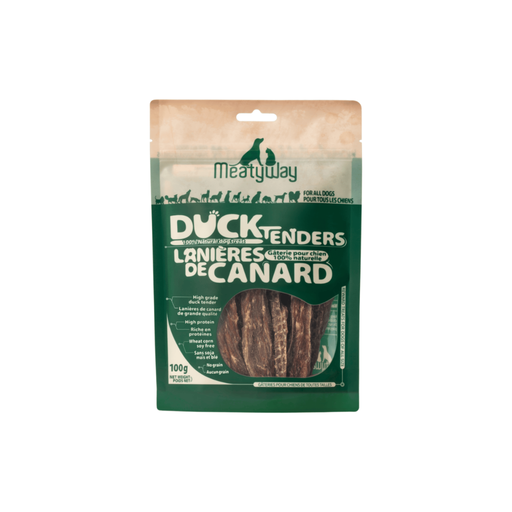
Why This Fits Their Persona: These meat strips are a single-protein option, making them ideal for dogs with food intolerances or allergies. Using only duck meat reduces the risk of allergic reactions.
The ingredient list is maximally transparent: according to the manufacturer, it contains 100% duck meat, with no grains, fillers, or artificial additives. This sidesteps the trap of vague declarations and hidden ingredients.
The soft, chewy texture is gentle on teeth and digestion. The formula is easily digestible, making it a great choice for dog treats for sensitive stomachs.
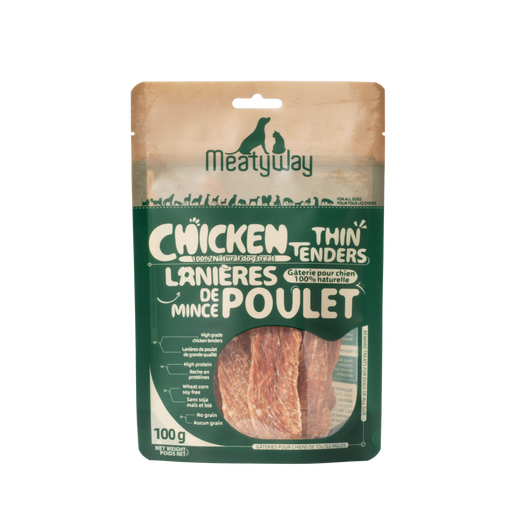
Why This Fits Their Persona: For dog owners looking for a high-quality reward for training. The thin strips are easy to break into small pieces, allowing for quick, portion-controlled rewards.
According to the manufacturer, this product is made from 100% chicken meat and has a high protein content (≥70%). It is free from fillers, making it a motivating and nutritious reward, unlike grain-based snacks.
The soft texture and how easily it can be portioned make it an ideal dog training treat. The high meat content ensures high acceptance among most dogs.
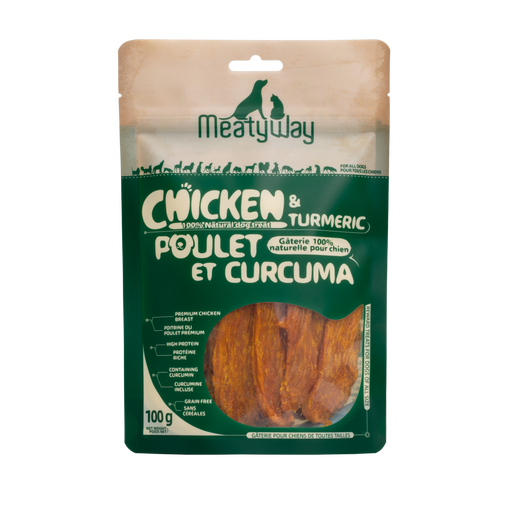
Why This Fits Their Persona: For owners looking for a snack with an added functional benefit. The combination of chicken and turmeric offers more than just a simple reward.
The recipe is grain-free and, according to the manufacturer, contains no artificial additives. The ingredient list is short and clear (chicken, turmeric), so the functional purpose of the ingredient is front and centre, not obscured by fillers.
Turmeric is known for its antioxidant properties. This snack combines a high protein content with a functional ingredient, making it a thoughtful, natural dog treat.
We've compiled a complete, up-to-date list of products that meet these strict selection criteria.
1. How can I identify high-quality meat strips for my dog? Look for a short, transparent ingredient list with a specific type of meat listed first (e.g., "chicken breast fillet" instead of "meat"). The product should be free from sugar, artificial colours, flavours, and preservatives, as well as grains. A gentle drying method is also a mark of quality.
2. Are meat strips suitable for dogs with sensitive stomachs? Yes, as long as you choose the right kind. Opt for single-protein dog snacks that contain only one animal protein source to minimise the risk of intolerances. Products declared as grain-free dog snacks that do not contain unnecessary fillers are also a good choice for diet-sensitive dogs.
3. How many treats can my dog have per day? Meat strips are a complementary feed and should only be given in moderation. A common recommendation is that treats should not make up more than 10% of your dog's daily calorie intake. Check the feeding recommendations on the packaging and adjust the amount of their main food accordingly to prevent weight gain. Also, ensure your dog always has access to fresh water.