
Lieferung heute & morgen

Qualitätsgarantie

Willkommens-Angebote freischalten: KOSTENLOSE Lieferung | Bis zu 80 % RABATT | Kostenlose 30-Tage-JoyPlus-Testphase
App herunterladen
The search for a savory, ready-to-eat snack that is free from animal products often leads to a limited selection at the local supermarket. Many vegetarians, vegans, and flexitarians crave variety, especially when it comes to protein-rich and flavorful options. This article introduces a selection of vegetarian meat substitute products that stand out for their unique textures and authentic seasonings, offering an alternative to familiar choices.
The range of plant-based alternatives is constantly growing. To find products that meet your personal preferences, a few criteria can help guide your decision.
A product's base ingredient is the primary determinant of its texture and nutritional value.
If you're specifically looking to buy Asian snacks, you should pay close attention to the ingredients in the seasoning blend. Traditional Chinese snacks often use spices like star anise, Szechuan pepper, fennel, and cinnamon, which create a complex flavor profile that differs from European spice mixes. Soy sauce, fermented bean pastes, and various chili varieties provide the characteristic umami depth and spiciness.
A crucial factor is the preparation. While many meat substitutes are intended for cooking or frying, there is a growing category of ready-to-eat vegan snacks. These are pre-cooked, seasoned, and conveniently portion-packed, making them a practical option for on the go, as a side dish, or as a quick, high-protein bite. Crafting these savory vegetarian snacks is often the manufacturer's primary goal.
Based on the criteria above, we have compiled a selection of interesting, ready-to-eat products.
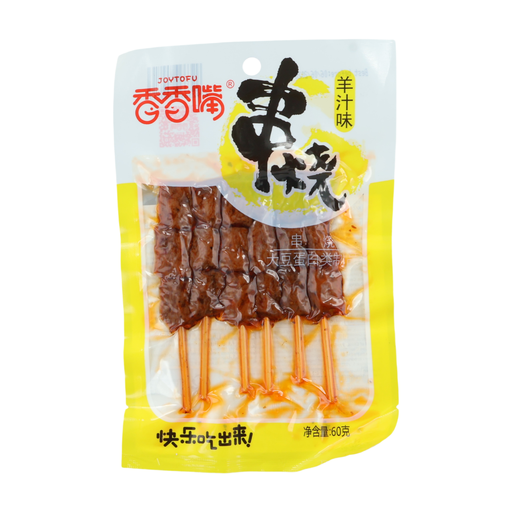
Why It Stands Out: These soy-based vegetarian skewers mimic not only the shape but also the savory aroma of lamb skewers. The seasoning with chili and pepper provides an intense flavor experience, while the texture of the puffed soy products is described as chewy and succulent.
Benefits:
Who It's For: Individuals looking for a heavily seasoned, high-protein, and chewy snack with an authentic Asian flavor profile. Ideal for lovers of spicy soy snacks.
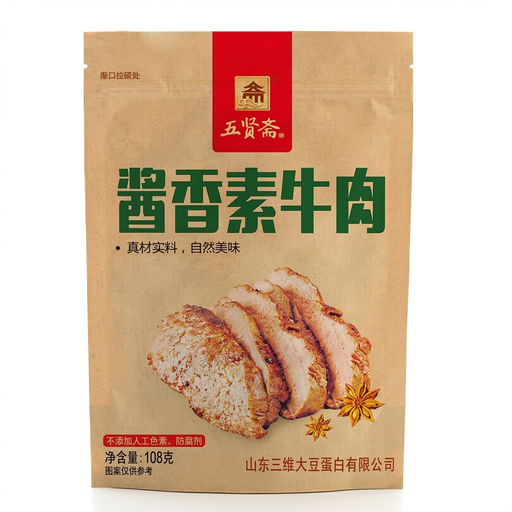
Why It Stands Out: This product from the Wuxianzhai brand is based on wheat gluten (seitan) and offers a meat-like, fibrous texture. The soy sauce seasoning gives it a deep, savory umami flavor reminiscent of braised beef.
Benefits:
Who It's For: Users who prefer a chewy, meat-like texture and appreciate the classic taste of plant-based meat substitutes braised in soy sauce.
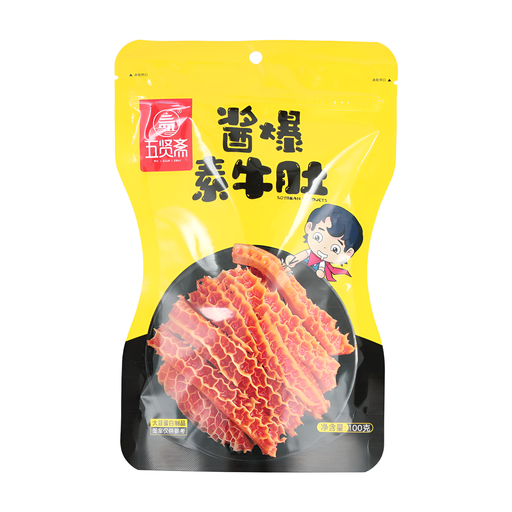
Why It Stands Out: This product offers a unique experience through its use of konjac. It simulates the texture of tripe and is marinated in a spicy sauce. The consistency is pleasantly chewy and elastic, which clearly distinguishes it from soy- or seitan-based products.
Benefits:
Who It's For: Adventurous eaters looking to discover new textures. Especially suitable for those who appreciate the elastic and chewy consistency of konjac and are seeking a spicy yet lighter snack.
A great snack is often made even better with the right sauce. Whether as a dip for ready-made products or a marinade for your own tofu or seitan creations, a flavorful sauce is key. If you're in search of authentic flavors to elevate your dishes, take a look at our selection.
Discover Our Selection of Sweet BBQ Sauce
The three base ingredients result in very different end products. Soy often has a fibrous, slightly spongy texture. Seitan (wheat gluten) is known for its dense, firm, and very meat-like consistency. Konjac, on the other hand, has a smooth, elastic, and gelatinous structure that is prized in Asian cuisine for creating unique textural experiences.
The taste depends heavily on the seasoning blend. Products developed for the Asian market often use traditional spice combinations like Szechuan pepper, star anise, and fermented pastes. This results in a flavor profile that is distinctly different from European-seasoned meat alternatives and can be perceived as very authentic.
Once opened, ready-to-eat snacks should be stored in the refrigerator and consumed quickly, usually within a few days. Always follow the specific storage instructions on the product packaging. Unopened packages can be stored in a cool, dry place until the printed best-before date.