
Lieferung heute & morgen

Qualitätsgarantie

Willkommens-Angebote freischalten: KOSTENLOSE Lieferung | Bis zu 80 % RABATT | Kostenlose 30-Tage-JoyPlus-Testphase
App herunterladen
The market for meat alternatives is constantly growing, but the vast selection can be overwhelming. Anyone looking to buy meat substitutes often faces a shelf full of products with vague promises. This guide will help you avoid the most common pitfalls and find products that truly fit your needs—whether for quick everyday meals, a savory snack, or special dishes.
Choosing a meat alternative can often lead to disappointment. However, these letdowns can be avoided by making an informed choice. Many products don't live up to their packaging's promises.
To make an informed decision, you should examine three key aspects of any meat substitute product. These will help you objectively assess its quality and suitability.
The product's base largely determines its texture, flavor, and nutritional value. Each plant-based protein source has specific characteristics:
Meat substitute products can be categorized by the preparation effort they require. The choice depends on how much time and creativity you want to invest in the kitchen.
Instead of making blanket recommendations, we have selected products for specific requirement profiles.
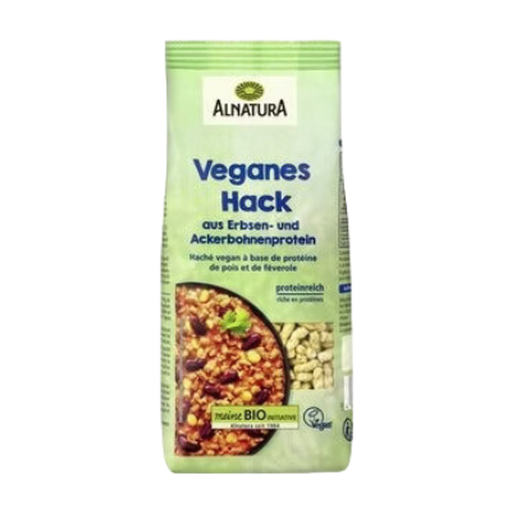
Why This Fits Their Persona: These dry granules made from pea and fava bean protein are the ideal base for creative dishes. It allows for the preparation of classics like Bolognese or chili sin carne, giving the cook full control over the seasoning.
As an unseasoned base product, it makes no misleading flavor promises. The texture after soaking is ideal for minced meat dishes, and its purpose is clearly defined.
High protein content, soy-free formula, and long shelf life as a dry product. The organic certification is an added bonus.
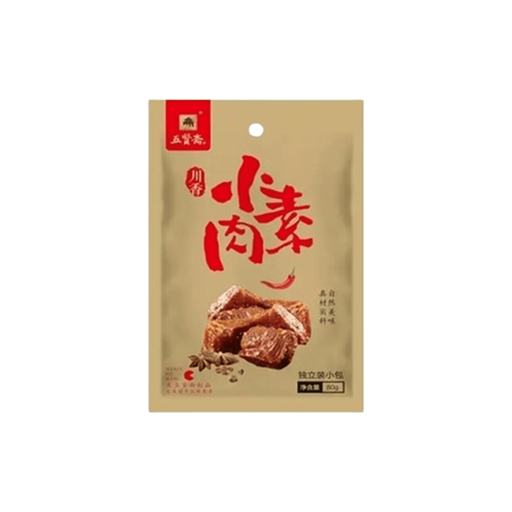
Why This Fits Their Persona: This ready-to-eat snack based on wheat gluten (seitan) delivers the authentic 'mala' flavor of Sichuan cuisine. It's perfect for anyone who wants to experience the characteristic spicy and numbing taste without complex preparation.
The product is clearly positioned as a Sichuan-style snack. It doesn't promise a generic meat flavor but a specific, regional flavor profile, which it delivers.
Ready-to-eat and authentically seasoned. The firm, fibrous texture of the seitan provides a satisfying bite that pairs well with the intense flavor.
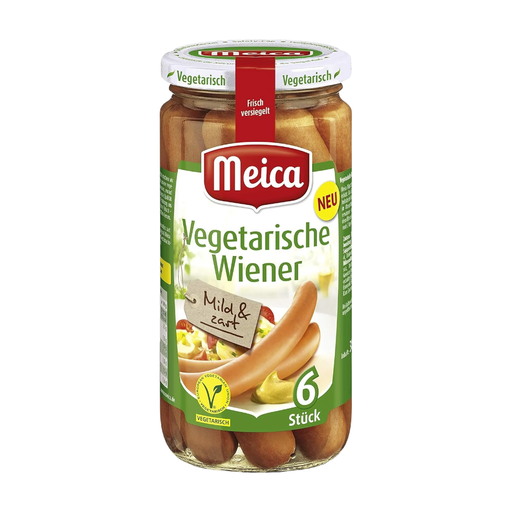
Why This Fits Their Persona: For anyone looking for a direct alternative to classic meat products. These Vienna-style vegetarian sausages are perfect for hot dogs, as a side for potato salad, or for grilling—a familiar application with a plant-based foundation.
The product imitates a well-known counterpart (Vienna-style sausages), which sets clear expectations for taste and use. It's not a vague 'meat imitation' but a specific vegetarian sausage.
Simple and quick to prepare. The base of soy and wheat protein ensures a high protein content and a satisfying texture.
We've compiled a complete, up-to-date list of products that fully meet these strict selection criteria.
The correct storage method depends on the degree of processing. Dry products like soy or pea granules should be kept in a cool, dry place away from light; they often last for months. Refrigerated products like vegetarian sausages or sliced meats belong in the refrigerator and should be consumed quickly after opening, usually within two to three days. Frozen products must be kept at -18°C (-0.4°F) and should not be refrozen after thawing. Always follow the instructions on the packaging.
A high-quality product can often be identified by a straightforward ingredient list. Look for a high percentage of the main protein source (e.g., soy, pea, or wheat protein) and a low amount of fillers, sugar, and artificial additives. A high protein content (typically over 15g per 100g) is also a good indicator. Additionally, the product should be suitable for its intended purpose and not make any misleading claims.
There is no single "better" choice; it depends on personal preferences and needs. Soy-based products often have a more variable texture and a more neutral flavor, making them very versatile. Pea-based products are a great alternative for those who want or need to avoid soy. They often have a grainier texture and a slight inherent taste that pairs well with savory dishes. Both provide valuable plant-based protein.