
Lieferung heute & morgen

Qualitätsgarantie
App herunterladen
Kategorien
Choosing a mechanical gaming keyboard is a decision that should be based on an analysis of technical specifications. Factors such as latency, switch characteristics, material quality, and layout critically influence in-game performance and daily comfort. This article analyses the decisive criteria and presents a selection of models with different technical focuses.
Identifying the right keyboard requires an understanding of the underlying technology. The following parameters are relevant for making an informed decision.
The size of the keyboard determines the number of keys and the amount of desk space it requires. Common formats include:
The heart of any mechanical keyboard is its switches, which define the typing feel and response time.
A hot-swappable keyboard allows for the replacement of mechanical switches without soldering. This offers a high degree of customisation and simplifies maintenance.
The connection type directly impacts latency and flexibility.
The choice of materials affects durability, acoustics, and feel.
The following models have been selected based on their technical specifications and feature sets.
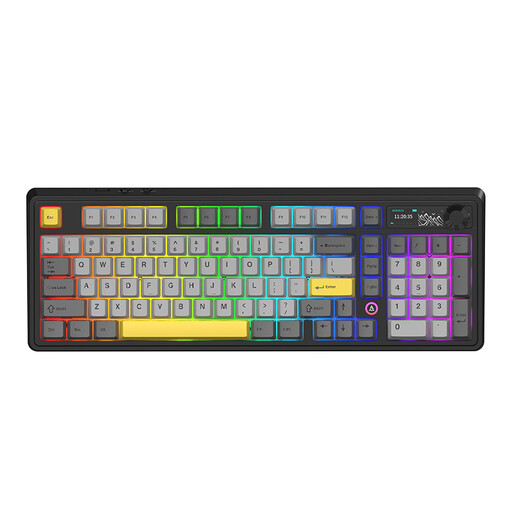
Why we recommend this product: The AJAZZ AK980 V2 combines a space-saving 98% layout with a comprehensive feature set. The integrated TFT display for showing system information and the multi-function rotary knob offer high practical value. Tri-mode connectivity (Wired, 2.4 GHz, Bluetooth) ensures maximum flexibility.
Pros:
Who it's for: Users who want near-full keyboard functionality in a compact form factor and value modern features like a display and high connectivity.
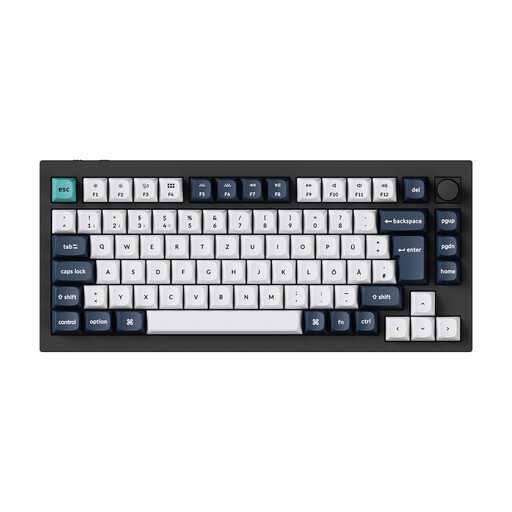
Why we recommend this product: The Keychron Q1 Max is a custom mechanical keyboard focused on premium materials and outstanding build quality. Its 6063 aluminium case, double-gasket structure, and QMK/VIA compatibility make it a platform for enthusiasts seeking deep personalisation. The model is available directly with a German QWERTZ layout.
Pros:
Who it's for: Keyboard enthusiasts, gamers, and power users looking for an extremely robust, customisable, and high-performance 75% keyboard with a German layout.
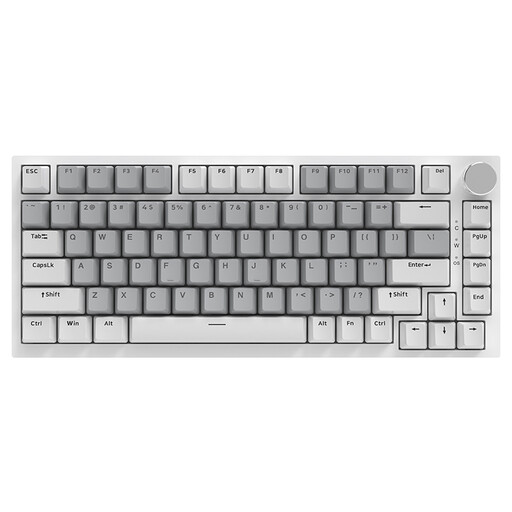
Why we recommend this product: The AJAZZ AK820 focuses on essential performance features in a compact 75% form factor. With its gasket structure, volume knob, and hot-swap capability, it offers a solid technical foundation for gaming and productive work. The wired-only connection guarantees consistently low latency.
Pros:
Who it's for: Users seeking a compact, wired keyboard with modern mechanical features like gasket-mount and hot-swap at an accessible price point.
If the featured models don't exactly meet your requirements, or if you're looking for other components for your setup, you can find a broader selection in our main category. There you will find keyboards with different layouts, switch types, and designs.
Discover more models in the Computers and Keyboards category.
What is the advantage of a hot-swappable keyboard? A hot-swappable keyboard allows you to change the mechanical switches without using a soldering iron. This enables users to try out different switch types (e.g., linear, tactile) and tailor the typing feel to their personal preferences. It also simplifies repairs for a faulty switch.
Are PBT keycaps better than ABS? PBT keycaps are made from a denser and more durable plastic than ABS. They are more resistant to abrasion, do not yellow from UV light, and do not develop a shiny, "oily" surface after prolonged use. ABS keycaps are often cheaper to produce and allow for more vibrant colours, but they wear out faster.
What latency is acceptable for a wireless gaming keyboard? For competitive gaming, latency should be as low as possible. Modern 2.4 GHz wireless technologies achieve a polling rate of 1000 Hz, which corresponds to a latency of 1 millisecond. This value is comparable to that of wired keyboards and is imperceptible in most gaming scenarios. Bluetooth connections generally have higher latency and are therefore better suited for casual gaming or office work.