
Lieferung heute & morgen

Qualitätsgarantie

Willkommens-Angebote freischalten: KOSTENLOSE Lieferung | Bis zu 80 % RABATT | Kostenlose 30-Tage-JoyPlus-Testphase
App herunterladen
For many PC and Mac users, a mechanical keyboard is more than just an input device—it's a tool for precision, comfort, and longevity. But the market is crowded and full of marketing promises. If you're not careful, you might invest in features that offer no real value or choose a model that's unsuitable for your daily workflow. As your Joybuy Product Recommendation Officer, I'm here to help you identify the crucial features and avoid common buying traps.
This guide focuses on the objective criteria that define a good mechanical keyboard and shows you what to look for before you buy.
Before we dive into the technical details, let's look at the most common mistakes that lead to dissatisfaction.
To make an informed decision, you should evaluate three central aspects: the switches, the layout, and the build quality.
The switches determine the typing feel, volume, and response speed. The three basic types are:
The size of the keyboard affects ergonomics and the amount of available desk space.
Modern mechanical keyboards offer more than just a good typing feel.
Here are some recommendations tailored to specific user needs that meet the quality criteria mentioned above.
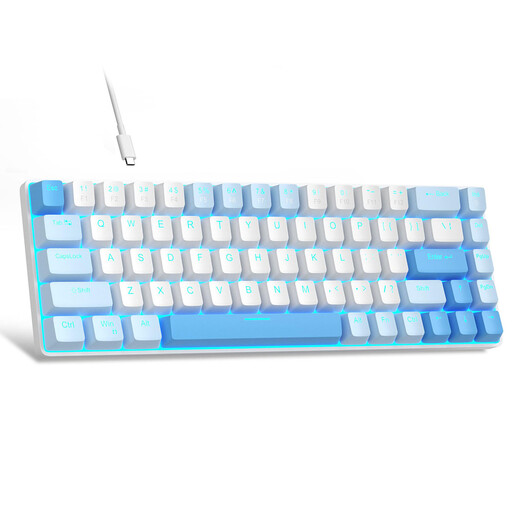
Why This Fits Their Persona: Ideal for users looking to enter the world of mechanical keyboards without a large investment. The compact 68-key layout saves space, and the linear Red switches are quiet and versatile for office work and casual gaming.
This model focuses on the essentials: a solid mechanical typing feel. It forgoes complex RGB effects, instead delivering functional, single-colour backlighting and quiet switches suitable for many environments.
The 60% layout with separate arrow keys is a great compromise between compactness and functionality. The detachable USB-C cable enhances durability and portability.
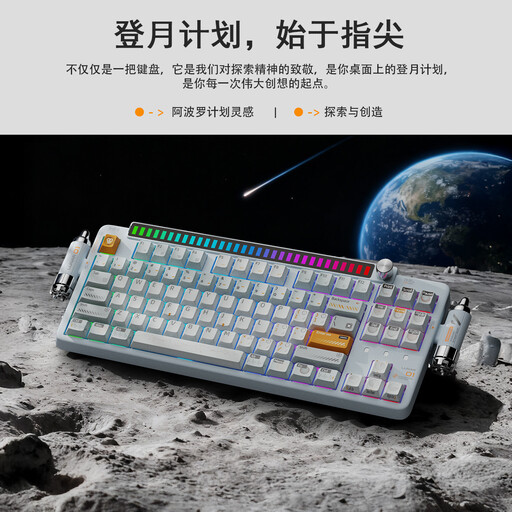
Why This Fits Their Persona: For users who value a premium typing experience, customisation, and flexibility. This keyboard is designed for use with multiple devices and offers features that appeal to both professional users and enthusiasts.
It avoids the pitfall of short-lived materials by using PBT keycaps and a solid Gasket Mount construction. The investment here is in tangible quality and longevity rather than just aesthetics.
The combination of tri-mode connectivity (wireless mechanical keyboard and wired), Hot-Swap capability, and a programmable knob offers maximum flexibility and future-proofing.
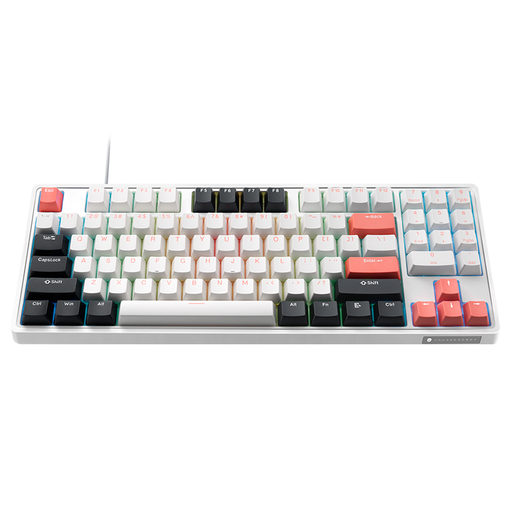
Why This Fits Their Persona: Designed for gamers who need a fast, reliable, and customisable keyboard. The compact 89-key layout is a variation of the TKL keyboard that saves mouse space while retaining key buttons. The linear Red switches are optimised for rapid response times.
This gaming keyboard avoids the marketing trap by focusing on performance-critical features: fast switches, a space-saving layout, and durable PBT keycaps. The lighting is functional, not over-the-top.
The Hot-Swap feature allows gamers to customise their switches to match their personal playstyle. The factory-lubed stabilisers ensure a consistent feel on larger keys like the spacebar.
We have curated a complete, up-to-date list of products that fully meet these strict selection criteria.
The lifespan of a mechanical keyboard is largely determined by its switches. Most manufacturers rate their switches for 50 to 100 million keystrokes each. This is many times the lifespan of conventional rubber-dome keyboards. The quality of the case and keycaps (PBT keycaps have an advantage here) also contributes to its longevity.
Yes, most modern mechanical keyboards are compatible with both Windows and macOS. Many models, especially a wireless mechanical keyboard with Bluetooth, offer special modes or keycaps for Mac use. Look for explicit for PC and Mac compatibility in the product description.
A hot-swap keyboard allows you to change the mechanical switches without any soldering. Using a special tool, the switches can be easily pulled from the circuit board and replaced with new ones. This is ideal for enthusiasts who want to try out different typing feels or to inexpensively replace a single faulty switch.