What should you look for when buying?
First, compare the specific switch type and the space the keyboard takes up. Then check whether the layout, direct access to particular keys and connectivity suit your workflow.
| Priority |
What to check before buying |
Who it matters most to |
| Typing noise at a shared desk |
Check the exact switch type and, where relevant, case dampening. Don’t treat manufacturer claims as comparable measurements. |
If I’m writing longer pieces, I want my typing to disturb others at the table as little as possible. Around 33% of consumers prioritise keeping typing noise down. |
| Clear space for a mouse and layout work |
Check the form factor and the navigation and number keys included in the specific version. |
If I need room to move my mouse beside the keyboard, a compact layout may suit me, as long as the missing dedicated keys aren’t a problem. Around 27% of consumers prioritise having more desk space. |
| German layout and number entry |
Check for a German ISO layout or QWERTZ, and consider whether you need a separate number pad. |
If I write in German and want to enter numbers directly, I need a suitable layout and may need a number pad. Around 20% of consumers prioritise the layout and direct access to keys. |
| Custom workflows and switching between devices |
Check the key mapping, supported operating systems and connection types for the specific model. |
If I repeat design commands or switch between devices, I want to know whether the keys and connections I need are supported. Around 20% of consumers prioritise custom workflows or switching between devices. |
Joybuy products for writing and design
The mechanical keyboards below include compact layouts for smaller desks, as well as a version with Tactile Quiet switches for a shared workspace.
 No image available
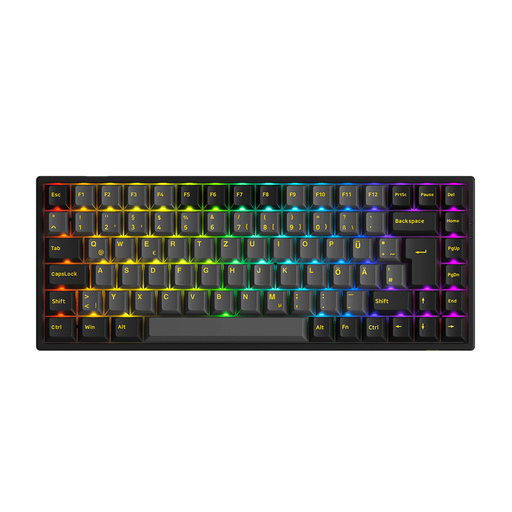
Akko 3084B Plus, 75%, ISO-DE, V3 Pro Cream Blue Switches, Tri-Mode, Hot-Swappable, Black & Gold
The compact 75% layout may suit you if you want to leave room for your mouse beside the keyboard.
ISO-DE layout; Tri-Mode connections via Bluetooth, 2.4G or USB-C; hot-swappable.
View at Joybuy
 No image available
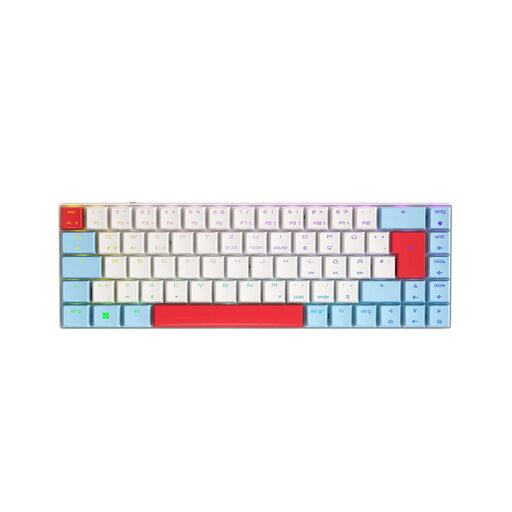
CHERRY MX-LP 2.1 Wireless, Low Profile MX Speed Switches, Tri-Mode, 65 %, German QWERTZ, White
The compact 65% layout may suit you if you need more room beside your keyboard.
German QWERTZ; connections via 2.4GHz, Bluetooth or USB-C.
You can’t infer how noisy it is to type from its compact design alone.
View at Joybuy
 No image available
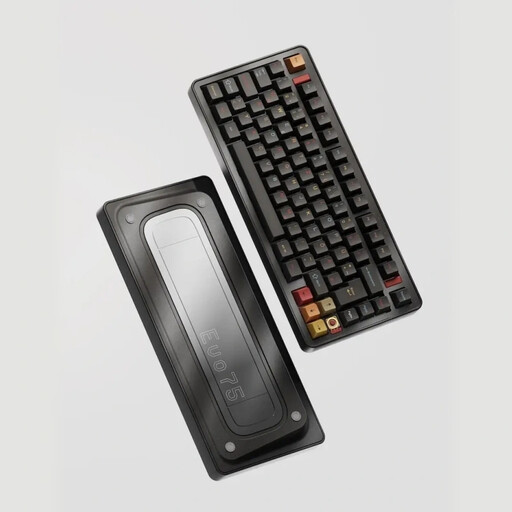
Ticktype EVO75, 75%, ISO-DE, Tri-Mode, Hot-Swappable, VIA Compatible, Creamy Rye Switches, Spray-coated Nebula
The 75% layout is an option if you want a compact form factor and customisable key mapping.
ISO-DE; VIA-compatible; hot-swappable.
View at Joybuy
 No image available
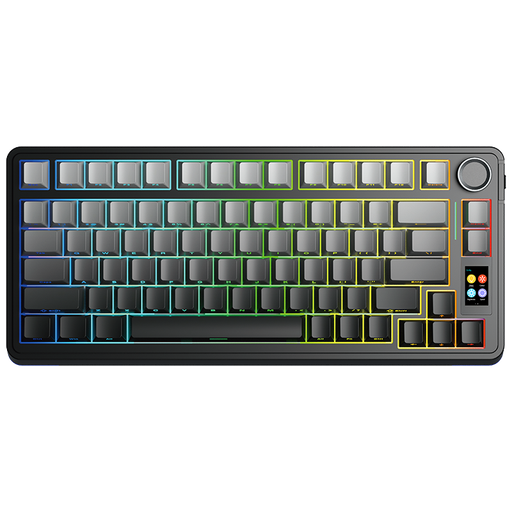
AULA S75 Pro, 75%, Tri-Mode, TFT Display, Rotary Knob, Hot-Swappable, Star Vektor Switch
The 75% layout may be a good option if desk space is limited.
Tri-Mode connectivity; hot-swap and a rotary knob are listed for this model.
Claims about “creamy sound” and cushioning are product descriptions, not independent noise measurements.
View at Joybuy
 No image available
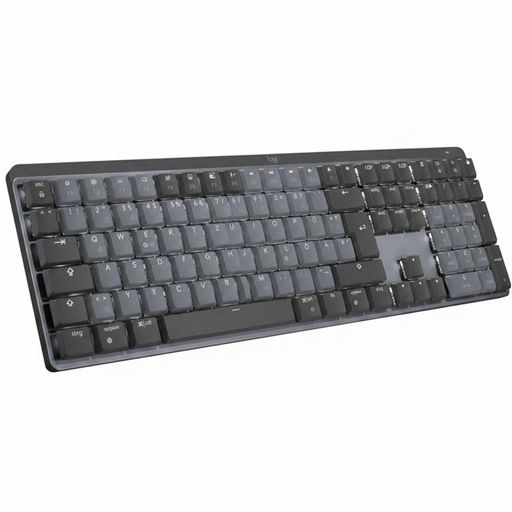
Logitech MX Mechanical, Tactile Quiet, Bluetooth & Logi Bolt, German QWERTZ, Graphite
The specifically selected Tactile Quiet version is an option for writing longer pieces at a shared desk; the name is not an independent measurement of noise levels.
German QWERTZ; Bluetooth and Logi Bolt; according to the product description, it can switch between up to three devices.
View at Joybuy
Frequently asked questions
Do I need to buy a keyboard with a German layout for a club handbook?
The information available does not indicate any legal requirement to do so. If you want to use umlauts and the familiar German key layout directly, check that the version you choose specifically has a German ISO layout or German QWERTZ. The Keychron K3 Max is available in several ISO layouts.
How do I set up a keyboard at a shared workspace?
Before connecting it, check which devices and connection types the specific model supports. CHERRY lists Bluetooth and wired connectivity for the KW 300 MX; Keychron also lists 2.4-GHz wireless connectivity for the K3 Max. The ASR A6 from the Federal Institute for Occupational Safety and Health applies to computer workstations within its defined scope. It is not a blanket requirement for private club work.
Can I replace the switches later?
On models specifically described as hot-swappable, such as the CHERRY KW 300 MX, individual switches are designed to be replaced. With the low-profile Keychron K3 Max, the replacement switch must have the compatible low-profile design; hot-swap does not mean that every mechanical switch will fit.
What are my rights when buying online in Germany?
Where a distance contract between a consumer and a business applies, consumers generally have a right to cancel. Sections 312g and 355 of the German Civil Code (BGB) provide for a 14-day cancellation period, subject to the statutory requirements and exceptions. If goods are faulty, you also have statutory rights against the seller. A voluntary manufacturer’s warranty is separate from these rights.


