Yearbook team in a shared room
If you write or edit longer pieces while others in the room need some peace and quiet, the specific switch type and typing sound are important factors to consider.


If you’re writing a yearbook in a student room, start by considering the switch type and how the keyboard actually sounds when you type: ‘mechanical’ doesn’t automatically mean quiet. Then choose between a compact keyboard that leaves more desk space free and a larger model if you work with numbers frequently. For the specific listing, also check the German layout, connectivity and applicable compliance information.
If you write or edit longer pieces while others in the room need some peace and quiet, the specific switch type and typing sound are important factors to consider.
If you often enter numbers or work with lengthy lists, weigh up whether an integrated number pad matters more to you than having extra desk space.
If you need room for paperwork next to your keyboard or switch between devices, compact layouts and the connections actually available are especially important.
First, decide how important quiet typing is when you share a room. Then compare the layout and switch type with the text and spreadsheet work you do, as well as the space you have available.
When writing a yearbook in a student room, the key considerations are noise, typing feel and layout, desk space, and features that suit the way you work.
| Consideration | What to check before buying | Who is this particularly important for? |
|---|---|---|
| Typing sound | The specific switch type and any stated case dampening; manufacturer claims are not an independent noise test. | If I write for long periods in a shared room, I want to keep typing noise to a minimum; around 33% of consumers put quiet first. |
| Typing feel and layout | Check that the German ISO or QWERTZ layout and the switch type you want are suitable for writing and editing. | When editing and working with spreadsheets, I want a typing feel that suits me and the keys I need; around 27% of consumers prioritise typing feel and layout. |
| Desk space and connections | Weigh up a compact design against the need for a number pad, and check that the available connections work with your devices. | If I need room for paperwork next to my keyboard or use several devices, the size and connections are essential; around 20% of consumers prioritise these points. |
| Features that suit your needs | Choose a wired or wireless connection to suit your workspace, and check the specific features of the model. | If I only want features I’ll actually use for yearbook work, getting the right specification is my priority; around 20% of consumers prioritise this. |
Product ranges can include several different switch types. Damping specifications don’t reliably tell you how the whole keyboard will sound in your room.
Check the name of the specific switch type, and consider the sound of the keyboard as a whole when choosing.
An ISO layout alone doesn’t tell you which key layout the selected model has. Layouts and switch types can also vary within the same range.
Check the exact product variant and image against the German key layout and switch type you need.
Compact and full-size keyboards are designed for different needs when it comes to desk space and entering numbers.
Think about how often you enter numbers in lists and spreadsheets, then compare this with the space available on your desk.
The Light Mount Silent Tactile DE ISO is aimed at buyers specifically looking for a mechanical keyboard designed to be quiet, with tactile feedback.
The MX Mechanical Mini is a compact option, while the full-size MX Mechanical is available with an integrated number pad.
The K3 Max is a compact 75% option for buyers looking for several connection types and a customisable key layout.
The wired KC 200 MX and MX 2.0S are mechanical keyboards available with different switch types.
The following Joybuy listings are for mechanical keyboards specified with a German layout, and differ in size, switch type and connectivity. Before buying, check the specific variant and the applicable compliance information for the listing.
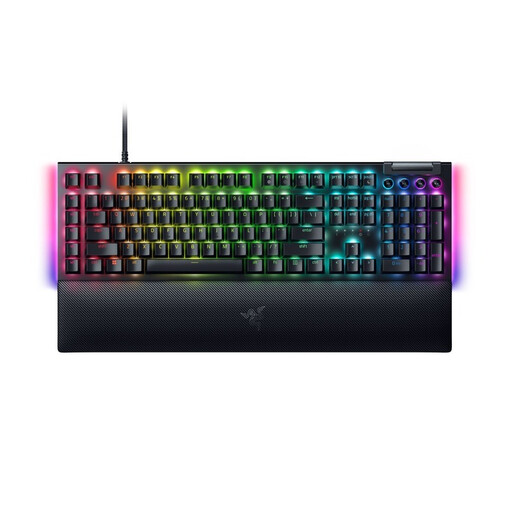 No image available
An option for German-language yearbook content, if the layout offered meets your needs. The listing describes the Yellow switches as quiet; this is not an independent noise test.
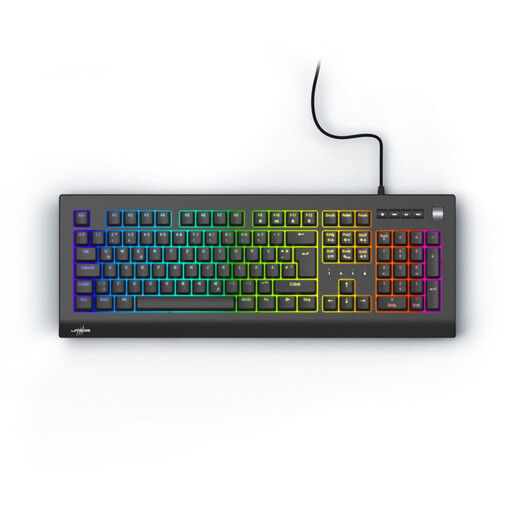 No image available
The German QWERTZ version is designed for German-language text. The product description calls the red switches quiet, but this doesn’t tell you how the whole keyboard will sound in your room.
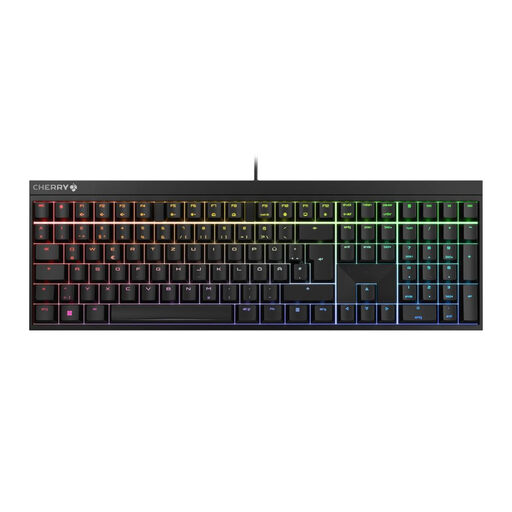 No image available
A wired option for German-language writing. The listing specifies MX2A Red, which is not the same as the separately named CHERRY MX2A Silent Red.
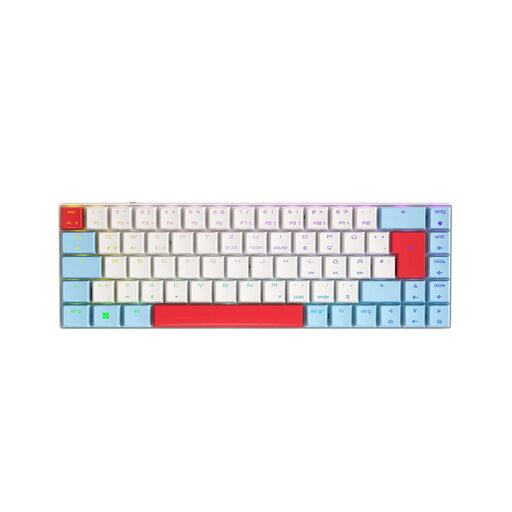 No image available
The compact layout could be a good fit if you want to leave room for paperwork on your desk. This variant’s listing specifies Bluetooth, 2.4 GHz wireless and USB-C connections; check that they work with your devices.
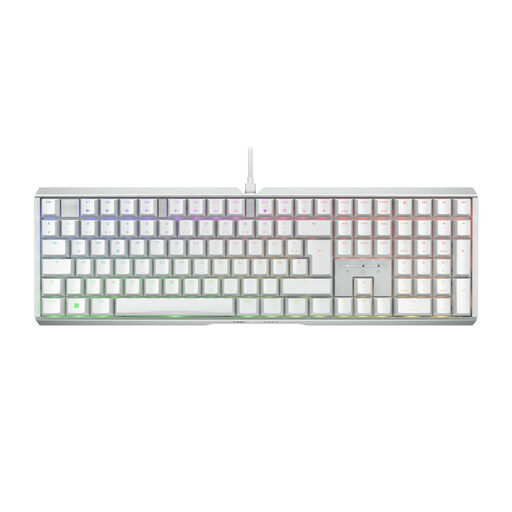 No image available
An option for German-language writing if you’re looking for a wired keyboard with tactile feedback. The product description specifies non-clicky switches and integrated dampening; it is not a substitute for an independent noise test.
Look for options specifically described as dampened or quiet, while also considering the typing feel you want. CHERRY describes the MX2A Silent Red as linear and dampened; be quiet! specifies tactile switches and case dampening for the Light Mount Silent Tactile DE ISO. These manufacturer claims don’t establish whether the specific typing sound will be acceptable to your housemates.
Check that the specific listing explicitly states German ISO or QWERTZ. The product range name alone isn’t enough, as different layouts and switch types may be available within the same range.
Check that the connections on your chosen variant work with your devices. Keychron lists wired, Bluetooth and 2.4 GHz connections for the K3 Max; check which version is included in a specific listing before buying.
Your Europe and the European Commission explain the applicable requirements for CE marking and RoHS; wireless models are also subject to the EU regulatory framework for radio equipment. These general requirements don’t confirm that a specific model or retailer listing complies. Check the information provided for the product in question.
Germany’s consumer advice centre distinguishes between your statutory rights against the seller and a voluntary guarantee. Online purchases generally come with a right to cancel; the consumer advice centre states that the period is usually 14 days. When the period starts and whether any exceptions apply depend on the circumstances of the specific purchase.