
Lieferung heute & morgen

Qualitätsgarantie

Willkommens-Angebote freischalten: KOSTENLOSE Lieferung | Bis zu 80 % RABATT | Kostenlose 30-Tage-JoyPlus-Testphase
App herunterladen
The Mediterranean diet evokes images of sun-ripened ingredients, convivial evenings, and authentic flavours. However, anyone looking to buy Mediterranean delicacies online is often faced with a bewildering selection. Not every product advertised as "traditional" or "homemade" delivers on its promise. Before making a decision, it's helpful to know some common pitfalls to avoid disappointment and find products that truly suit your needs.
A common issue is misleading labelling. A spread labelled as "pesto" might be diluted with sunflower oil instead of olive oil, or sun-dried tomatoes may contain more sugar than expected. Another problem is unclear origin. The term "Mediterranean" is geographically broad, and the flavour differences between Greek, Italian, or Turkish specialities are significant. Without precise information on origin and ingredients, it's difficult to judge a product's authenticity.
To make an informed choice, it's worth looking at objective criteria. These three parameters will help you better assess the quality of delicacies online.
A short and understandable ingredient list is often an indicator of a high-quality product. For Mediterranean spreads like pesto or ajvar, pay attention to the type of oil used and the vegetable content. High-quality products use olive oil as a base and avoid unnecessary fillers, artificial flavours, or large amounts of sugar. Natural acidity regulators like citric acid or antioxidants like ascorbic acid are common and safe in food preservation. They serve to maintain freshness and colour.
The region of origin and the variety of the main ingredient significantly shape a product's character. With olives, it makes a difference whether they are Greek Kalamata or Turkish Gemlik olives. The processing method is also crucial: Are the olives preserved in brine, marinated with herbs, or even grilled? These details, often found on the label, provide clues about the expected flavour profile. This also applies to other pickled vegetables like peppers or chillies.
For products preserved in a liquid like brine or oil, two weight specifications are relevant: the net filling quantity and the drained weight. The filling quantity refers to the total weight of the contents, including the liquid. The drained weight, on the other hand, indicates how much of the actual product (e.g., pitted olives) remains in the jar after the liquid has been poured off. For a fair price comparison, the drained weight is the more telling metric.
To make your choice easier, we have compiled a few products for different needs.
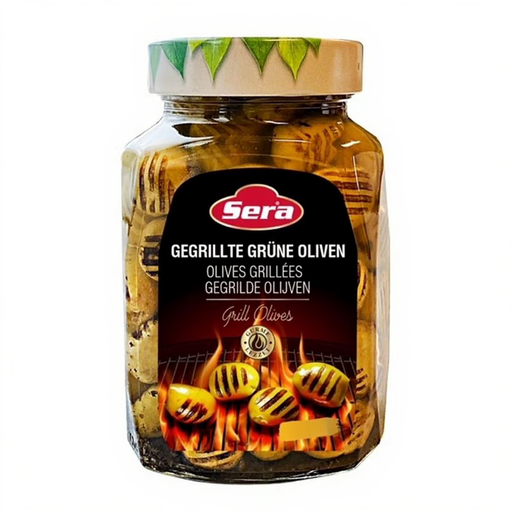
Why it's a great fit: Ideal for anyone who wants to quickly and effortlessly assemble an appealing antipasto platter. The grilled olives are ready to serve and offer a special touch with their smoky aroma that is sure to impress guests. The large 720cc jar is perfect for social gatherings.
The product has a clear designation of origin (Turkish speciality) and a simple ingredient list without artificial colourings. The grilled flavour is a result of the production process, not an artificial additive.
Grilling gives the olives a tender texture and a distinctive smoky aroma that sets them apart from conventionally pickled olives.
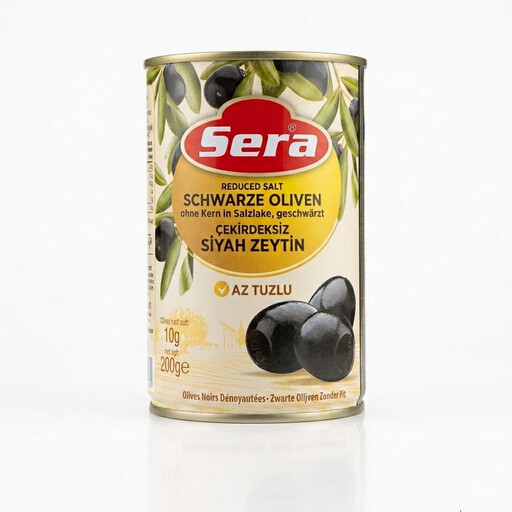
Why it's a great fit: For consumers who follow a low-sodium diet but don't want to miss out on the full flavour of olives. These olives are already pitted, making them perfect as a ready-to-eat snack or for use in salads and other dishes.
This product directly addresses the problem of heavily salted canned goods. The ingredient list is extremely short and transparent, containing only black olives and water. There are no hidden additives.
The reduced salt content allows for a more authentic olive flavour and makes the product a suitable choice for a health-conscious diet. Being pre-pitted also saves preparation time.
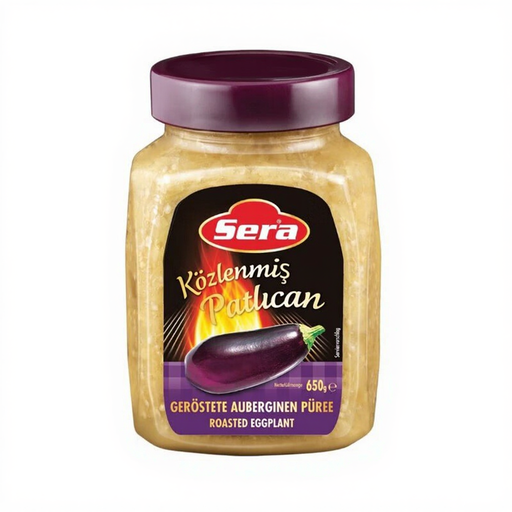
Why it's a great fit: An excellent base for your own creations. Instead of buying pre-made, often over-seasoned salads, this product offers pure, roasted aubergines. Perfect for preparing baba ghanoush, other dips, salads, or as a side dish.
This product avoids the trap of ready-made foods with hidden sugars or low-quality oils. According to the manufacturer, it consists of 98.8% aubergines, supplemented only with salt and citric acid. You retain full control over the seasoning.
It saves the laborious process of roasting aubergines in the oven. The product is a time-saving and authentic base for a variety of Mediterranean dishes.
Creamy spreads and pastes are the heart of many Mediterranean appetisers. We've curated a current selection of products that meet our criteria for authentic flavour and clean ingredients.
The shelf life after opening varies. Products in oil or brine should be stored in the refrigerator, ensuring the ingredients are always covered by the liquid. They typically last for several days up to two weeks this way. Always follow the manufacturer's specific instructions on the label.
Both terms refer to small appetisers that are often shared in a social setting. Antipasti is the Italian term and typically includes pickled vegetables, cured meats, cheeses, and olives. Meze (or Mezze) is common in the Eastern Mediterranean, the Balkans, and the Middle East. The selection here is often broader, including not only olives and vegetables but also dips like hummus or ajvar, salads, and small hot dishes.
For sun-dried tomatoes, the ingredient list is crucial. Ideally, they should only contain tomatoes, oil (preferably olive oil), herbs, and salt. Pay attention to the sugar content, which should be as low as possible. For ajvar, a roasted pepper spread, a high percentage of roasted peppers is a mark of quality. An intense colour and a slightly chunky consistency suggest careful processing, in contrast to a homogeneous paste, which can indicate a higher proportion of fillers.