A mattress topper is a layer placed on top of an existing mattress to modify its comfort characteristics. Its primary function is to enhance sleep comfort by reducing pressure points, regulating temperature, and improving surface hygiene. The selection of the right model depends on material properties, overall height, and individual sleeping needs.
Buying Guide: Technical Criteria for Selecting a Mattress Topper
The decision to purchase a mattress topper should be based on an analysis of objective parameters. The following criteria are relevant for your selection.
Material Analysis: Gel Foam vs. Memory Foam
The most common materials for pressure-relieving toppers are gel foam and viscoelastic foam (memory foam).
- Gel Foam Topper: This material combines the properties of cold foam with a gel component. Gel foam is known for its high point elasticity and breathability. Compared to classic memory foam, it is less temperature-sensitive and responds more quickly to changes in position. This makes it an excellent option for individuals who tend to sleep hot and prefer a dynamic, responsive feel.
- Memory Foam Topper: Viscoelastic foam, also known as memory foam, reacts to body heat and pressure. It conforms precisely to the body's contours, offering exceptional pressure relief, particularly in the shoulder and hip areas. After pressure is removed, the material slowly returns to its original shape. Some users may find this slow response restrictive when changing positions during the night.
Ergonomics and Zoned Design
Some toppers feature a zoned structure to provide targeted support or relief to different areas of the body.
- 7-Zone Topper: A 7-zone topper has areas of varying firmness or profiling. Typically, the zones for the shoulders and hips are softer to allow for deeper sinkage, keeping the spine properly aligned. The lumbar zone, in contrast, is firmer to support the lower back. This design is especially beneficial for side and back sleepers.
Height, Cover, and Certifications
- Topper Height: The overall height of the topper, typically between 5 cm and 9 cm, influences the degree of comfort modification. A thicker topper can more significantly alter the feel of the underlying mattress and provide more intensive pressure relief.
- Cover and Care: A washable mattress cover is an essential hygiene feature. Removable, zippered covers that are machine washable at 40°C or higher simplify cleaning and are advantageous for allergy sufferers.
- Certifications: Seals like Oeko-Tex Standard 100 or CertiPUR-US indicate that the product has been tested for harmful substances. This is an indicator of the health and safety of the materials used.
Size and Fastening
The topper's size must exactly match the mattress. Common dimensions include 80x200 cm topper and 90x200 cm topper for single beds, and 180x200 cm topper for double beds. Elastic corner straps are a functional detail to prevent the topper from shifting, which is particularly useful for a topper for a box spring bed or mattresses with smooth covers.
Recommended for Your Needs
Based on the technical specifications mentioned, we present a selection of products here.
EGO HOME Gel Topper 80 x 200 cm, 9 cm Height
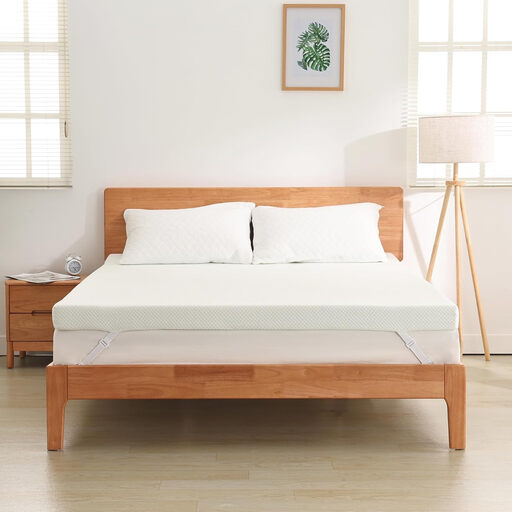
- Why we recommend this product: This model combines a significant 9 cm height with a core of gel-infused cold foam and green tea foam. The design aims for superior body contouring and pressure relief. According to the manufacturer, the 100% polyester cover is temperature-regulating and breathable.
- Pros:
- 9 cm height for a significant change in the mattress feel.
- Temperature-regulating, gel-infused cold foam.
- Removable and washable cover (up to 40°C).
- Oeko-Tex certification, ensuring it is free from harmful substances.
- Who it's for: Individuals seeking a powerful pressure-relieving effect and high breathability. The 80x200 cm topper size is designed for standard single beds.
EGO HOME Mattress Topper 90 x 200 cm, 5 cm Height
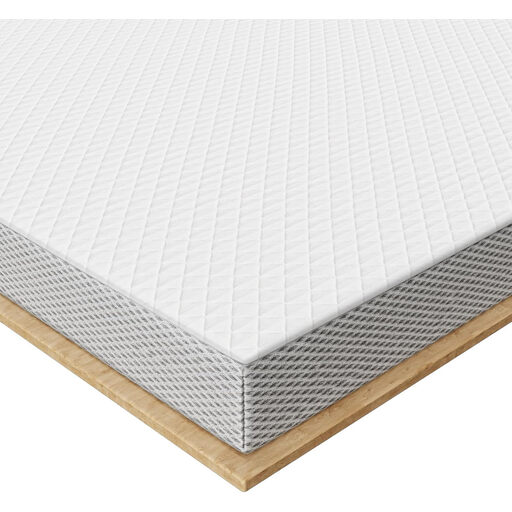
- Why we recommend this product: This 5 cm memory foam topper features a foam that, according to the manufacturer, is not temperature-sensitive and reacts solely to pressure. The surrounding mesh gusset on the cover is designed to further enhance air circulation.
- Pros:
- Pressure-responsive foam for consistent comfort.
- Non-slip base and four elastic straps for secure placement.
- Removable and washable cover.
- Certified by Oeko-Tex Standard 100 and CertiPUR.
- Who it's for: Users who want a moderate adjustment to their mattress and appreciate the classic properties of memory foam without its typical temperature sensitivity. The 90x200 cm topper size fits wider single beds.
EGO HOME 7-Zone Memory Foam Mattress Topper 180x200cm, 7cm Height
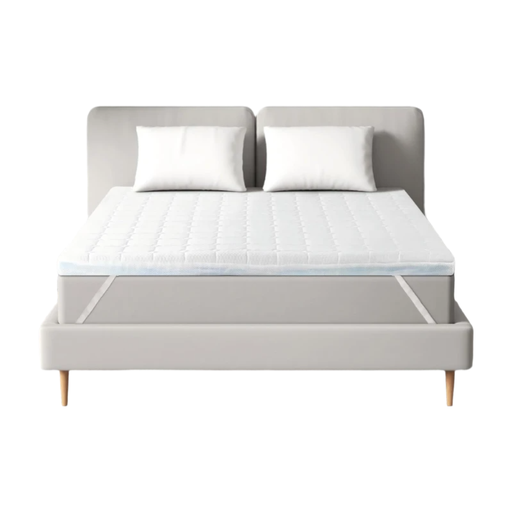
- Why we recommend this product: This 180x200 cm topper model offers ergonomically differentiated support with its 7-zone design. The 7 cm high polyfoam core is contoured to specifically target the shoulder and hip areas, promoting an optimal sleeping posture.
- Pros:
- 7-zone topper for ergonomic body support.
- 7 cm height offers a balance between comfort modification and support.
- Anti-slip system with elastic straps.
- Cover with Jacquard quilting and a surrounding mesh gusset.
- Who it's for: Couples or individuals with a 180x200 cm bed who value zoned, ergonomic support, especially side and back sleepers.
Other Options for Sleep Optimisation
A topper modifies the surface of a mattress. However, if the underlying mattress already shows significant signs of wear, such as sagging, a topper can only offer limited compensation. In such cases, purchasing a new mattress may be a more sensible investment. For a foundational, supportive, and durable solution, innerspring mattresses are a great option. You can find an overview of relevant models in the Open Coil Mattress category.
Frequently Asked Questions
What is the difference between a gel foam topper and a memory foam topper? The main difference lies in their reaction to temperature and their response time. Gel foam is generally less temperature-sensitive and more breathable, making it advantageous for people who tend to sweat. Memory foam reacts to body heat, conforms very precisely, and offers high pressure relief, but it returns to its original shape more slowly.
How thick should a mattress topper be? The height affects the intensity of the comfort change. Toppers that are 4-6 cm thick offer a noticeable but moderate adjustment. Models that are 7-9 cm thick alter the feel much more significantly and can largely override the characteristics of the mattress underneath. The choice depends on how much you want to correct your existing mattress.
Can a topper save a sagging mattress? A topper is not designed to fix a sagging mattress with deep indentations. While it can compensate for a surface that is too firm or too soft, it cannot restore the lost support of a worn-out mattress. In such a case, the topper will not provide a stable and ergonomically correct sleeping surface.


