
Lieferung heute & morgen

Qualitätsgarantie

Willkommens-Angebote freischalten: KOSTENLOSE Lieferung | Bis zu 80 % RABATT | Kostenlose 30-Tage-JoyPlus-Testphase
App herunterladen
A memory-foam mattress can adapt to your body shape and provide an even sleeping surface. However, it won’t automatically suit every sleeping style, body weight or bed. If you focus only on terms such as “ergonomic”, “orthopaedic” or “especially breathable”, you may overlook important technical details.
This buying guide explains which details matter before you buy, how memory foam differs from a cold-foam mattress or a pocket-sprung mattress, and which models suit different needs.
The H3 medium-firm rating is a useful guide, but it isn’t a completely standardised measurement across all brands. Your body weight, height, sleeping position and personal feel all affect how firm a mattress seems. Depending on its construction, an H3 mattress can feel different from one model to another.
So, check these details too:
Memory foam responds to body heat, which can make it feel softer. A closed-cell or very dense construction may not dissipate heat as effectively as open-cell foam. If you tend to sweat more at night, look for a breathable mattress, open-cell materials and a cover that allows air to circulate.
A washable cover alone won’t ensure good ventilation throughout the bed system. The bed base, room temperature and regular airing also affect moisture regulation.
A washable cover is practical, but washing temperatures, zips and care instructions vary. With some products, opening or removing the cover may mean you can’t return the mattress for hygiene reasons. Check these conditions before unpacking it.
A memory-foam mattress adapts to your body through materials that respond to heat and pressure. It may suit you if you prefer a more conforming sleeping surface. If you tend to feel hot, look for open-cell layers and a cover that allows air to circulate.
A cold-foam mattress is usually made from resilient polyurethane foam. It generally responds more directly to movement and, depending on its density, can provide a stable base. A combination of cold foam and pocket springs brings together springy support and different comfort zones.
A mattress with individually wrapped springs can reduce movement transfer between two sleeping spaces. This is an important point of comparison for couples choosing a 160x200 mattress or 180x200 mattress.
Before buying, measure the inside of your bed frame carefully. Common sizes include:
You should also check the mattress height, clearance from the bed frame and maximum weight capacity. A taller mattress may make it easier to get in and out of bed, but it will also change the overall height of the bed.
A 7-zone mattress divides the sleeping surface into different areas for the head, shoulders, back, pelvis, thighs, lower legs and feet. This describes the construction, but doesn’t guarantee a particular physical effect. The actual zoning, layer construction and correct orientation of the mattress are what matter.
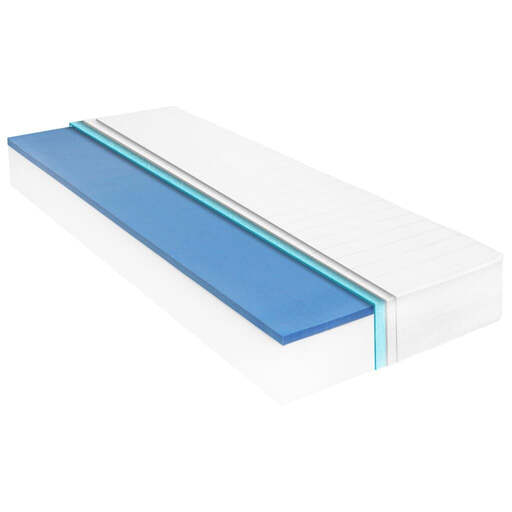
Why this product suits this profile: At 18 cm high, this single-bed mattress is a compact memory-foam option. Its cover can be removed using a three-sided zip.
The product details clearly specify the material, dimensions, cover and the time needed to expand — around 72 hours.
100 x 200 cm, viscoelastic foam, open-cell construction and a removable cover.
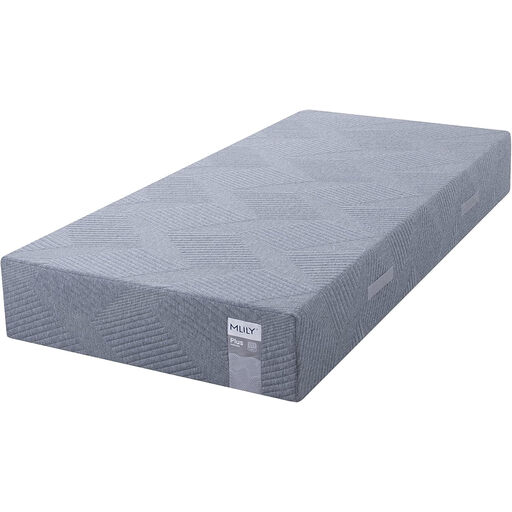
Why this product suits this profile: This 160 x 200 cm mattress combines four layers, memory foam and a Dynamic-Zoning spring core. It’s designed for couples with different movement habits.
Its multi-layer construction and combination of materials are clearly specified, rather than described using general comfort claims alone.
26 cm high, with seven comfort zones, memory foam and an integrated spring core.
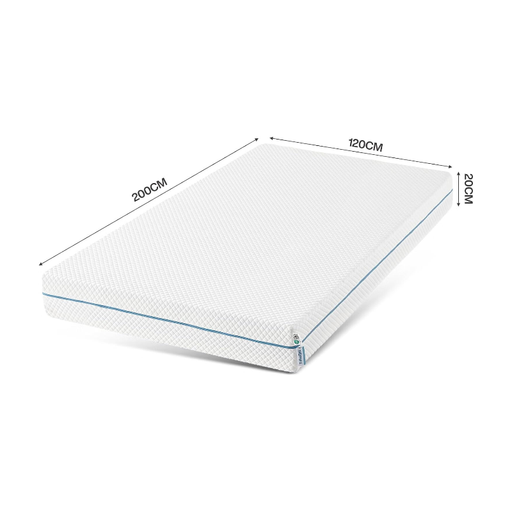
Why this product suits this profile: This 120 x 200 cm model has seven zones and a removable Lyocell cover, making it suitable for single sleepers, guest rooms and side or back sleepers.
Its H3 firmness rating, maximum weight capacity of 150 kg and washability at up to 60 °C are listed as specific product details.
20 cm high, with a 7-zone construction, H3 firmness and a washable cover.
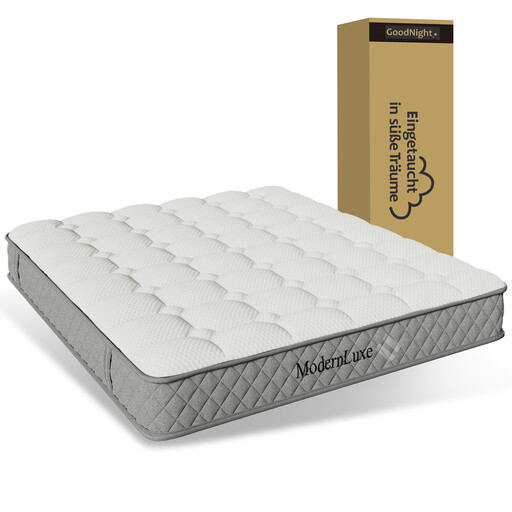
Why this product suits this profile: This 20 cm-high combination of cold foam and 868 individually wrapped springs is aimed at couples and anyone looking for a larger sleeping surface with H3 firmness.
The product details clearly state the weight limit, 7-zone core, cover material and care instructions. The cover is not listed as washable.
180 x 200 cm, H3 firmness, 7-zone pocket-spring core, roll-up mattress and materials stated to be OEKO-TEX certified.
We’ve put together a complete, regularly updated list of products that meet these strict selection criteria and the safety regulations in force in the EU.
Many models are delivered vacuum-packed as a roll-up mattress. Don’t use sharp objects when opening the packaging. Depending on the product, the mattress may need around 72 hours to reach its intended shape fully. Good ventilation is advisable during this time.
Follow these basic guidelines when using your mattress:
Check the product instructions for the exact time. The roll-up mattresses mentioned here often need around 72 hours. After that, check that the mattress has fully expanded and lies evenly.
That depends on the firmness, zoning, body weight and how the mattress feels to you. Models with 7 zones have different areas designed to support different parts of the body. This doesn’t mean they’re automatically suitable for everyone.
Ongoing costs mainly cover bedding, a mattress protector and care. A removable, machine-washable cover can make cleaning and hygiene easier to manage. Before buying, check the washing temperature, drying instructions and any restrictions on returns.