
Lieferung heute & morgen

Qualitätsgarantie
App herunterladen
Kategorien
A memory foam mattress is based on viscoelastic polyurethane foam, a material originally developed for aerospace applications. Its signature characteristic is its reaction to body heat and pressure. Upon contact, the material conforms to the body's contours, leading to even weight distribution. This can help reduce pressure points, particularly in the shoulder and hip areas. When pressure is removed, the material slowly returns to its original shape—an effect known as the "memory effect."
Selecting a suitable sleeping surface requires an analysis of specific product features. The following criteria provide a framework for making an informed decision.
The firmness level indicates how firm or soft a mattress is. The H2 firmness level is generally suitable for individuals weighing up to approx. 80 kg and is often perceived as medium-soft. A 7-zone mattress is designed to support different parts of the body with varying levels of firmness. Areas like the shoulders and pelvis can sink in deeper, while the lumbar spine receives more robust support. Such an orthopaedic mattress aims to keep the spine in an anatomically correct alignment.
A mattress topper is a thinner layer (typically 5-10 cm high) placed on top of an existing mattress. It serves to specifically improve sleeping comfort, for instance, by increasing pressure relief or adjusting the firmness. A complete mattress, on the other hand, is the primary sleeping surface and determines the fundamental support and ergonomics of the bed system. A topper is a cost-effective upgrade, whereas a new mattress represents a fundamental overhaul of the sleep system.
For individuals with allergies or high standards of hygiene, a washable cover is an essential feature. Covers that can be washed at 40°C or 60°C allow for the regular removal of dust mites and allergens. Certifications like OEKO-TEX Standard 100 signal that the product has been tested for harmful substances and is therefore safe for your health.
The following products represent a selection made based on their technical specifications and material properties.
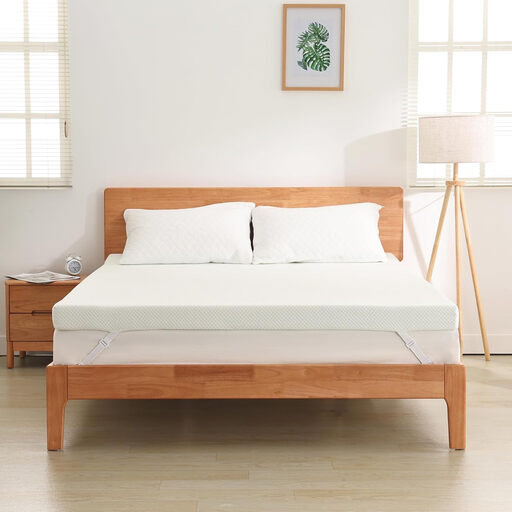
Why we recommend this product: This 9 cm high gel foam topper offers a significant upgrade for existing mattresses. The combination of gel foam and a cover infused with green tea extract aims for a comfortable and temperature-regulated sleep experience. The OEKO-TEX and CertiPUR certifications attest to its material quality.
Pros:
Who it's for: Individuals who want to cost-effectively enhance the comfort of their current mattress and value a thick, pressure-relieving layer. Suitable for allergy sufferers due to the tested materials and washable cover.
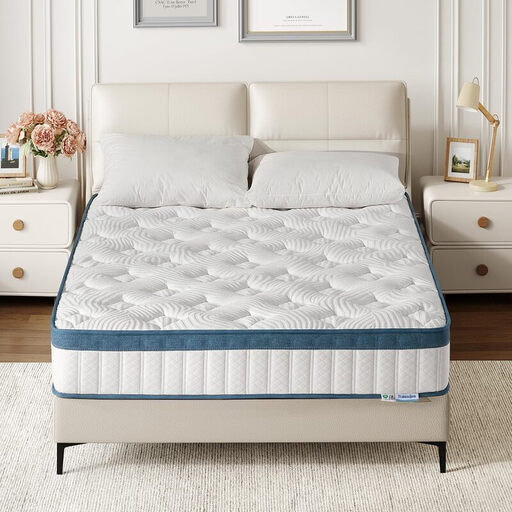
Why we recommend this product: This 160x200 mattress is a hybrid model that combines the benefits of a pocket spring mattress with those of memory foam. The 25 cm total height and 7-zone structure offer differentiated support for the entire body. The individually wrapped coils minimise motion transfer, which is beneficial for couples.
Pros:
Who it's for: Couples seeking an undisturbed night's sleep, as well as back and side sleepers who prefer a stable yet adaptive orthopaedic mattress with a medium-firm feel (H3).
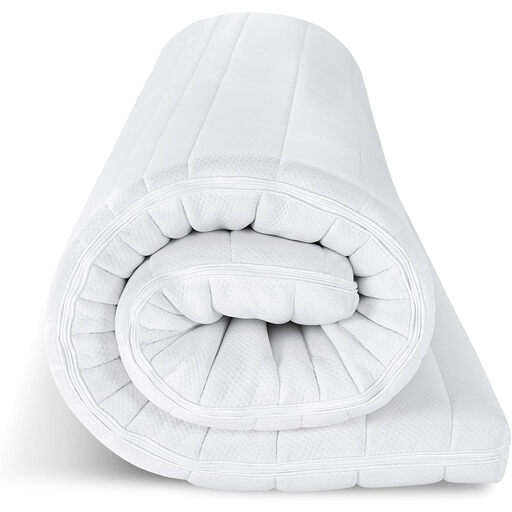
Why we recommend this product: This 8 cm high mattress topper made of classic memory foam provides effective pressure relief and conforms precisely to the body's contours. With its removable and washable cover and OEKO-TEX 100 certification, it meets high standards of hygiene. Its versatility makes it a practical addition to various sleep systems.
Pros:
Who it's for: Users seeking a soft (H2 firmness level), pressure-relieving surface for their existing bed. Ideal for those who want to combine the comfort of a box spring bed or a firm mattress with the benefits of memory foam.
The products presented here cover specific use cases. For a broader overview of materials, firmness levels, and sizes that meet different requirements, you can consult our main category for a soft bed.
1. What is the difference between memory foam and gel foam? The primary difference lies in temperature regulation and response time. Classic memory foam reacts to body heat and has a slower response time. Gel foam is infused with gel particles that are intended to improve heat dissipation and enable a faster return to shape, which can lead to a cooler and more responsive feel.
2. How do I choose the right firmness level for my mattress? The firmness level should be chosen primarily based on body weight and preferred sleeping position. As a general guideline: H2 firmness level (soft to medium) for individuals up to approx. 80 kg, H3 (medium-firm to firm) for individuals between 80 and 110 kg. Side sleepers often benefit from a slightly softer surface to allow the shoulder and hip to sink in, while back and stomach sleepers require firmer support to prevent the spine from sagging.
3. Is a memory foam mattress suitable for allergy sufferers? Yes, mattresses and toppers made from memory foam can be a good choice for allergy sufferers. The dense foam material provides a less hospitable environment for dust mites than traditional innerspring mattresses. A washable cover, which can be cleaned regularly, is also crucial, as is a certification like OEKO-TEX, which guarantees it is free from harmful substances.