
Lieferung heute & morgen

Qualitätsgarantie

Willkommens-Angebote freischalten: KOSTENLOSE Lieferung | Bis zu 80 % RABATT | Kostenlose 30-Tage-JoyPlus-Testphase
App herunterladen
If you’re looking for men’s running shoes for road runs, training or varied outdoor routes, don’t be swayed by a low weight or flashy marketing terms alone. What matters is whether the shoe suits your foot shape and the surfaces you run on. A shoe with soft cushioning may feel comfortable on tarmac, but be less suitable on a muddy woodland path. Conversely, a grippy trail sole may feel unnecessarily firm or heavy on paved paths.
Lightweight running shoes can feel pleasantly responsive during training. But weight alone tells you little about fit, sole construction or durability. For example, a very lightweight upper may offer less protection from branches and stones. If you run regularly, also look for abrasion resistance and a stable heel area.
Terms such as “maximum cushioning” or “energy return” usually describe the midsole construction; they don’t automatically mean there’s a health benefit. Look for verifiable details such as EVA foam, the length of the cushioning unit and the width of the platform. Even then, you can’t fully predict how a shoe will feel when you run in it. So avoid choosing a shoe that feels either too soft or unstable.
A patterned rubber sole can offer better grip on loose surfaces. That doesn’t mean it will be equally slip-resistant on wet tarmac or smooth tiles. Check the specific tread pattern, sole material and intended use. All-terrain running shoes also usually involve a compromise between grip, flexibility and how smoothly your foot rolls through each stride.
When trying on running shoes, there should be a little room in front of your toes, without your foot sliding forwards inside the shoe. The heel should feel secure, while the forefoot shouldn’t feel cramped. If you’re looking for running shoes for wide feet, don’t simply go up a size in length. A longer shoe may give you more room, but it also changes the position of the heel and the roll-through area. Look instead for models with a wider last or a specifically roomier toe box.
For the best fit, measure both feet in the late afternoon, wearing the running socks you plan to use. Sizing can vary between manufacturers. For example, in the PELLIOT models in this selection, EU 41 corresponds to a stated foot length of 255 mm, while EU 42 corresponds to 260 mm.
Cushioned running shoes often use EVA foam or similar materials in the midsole. More cushioning can feel comfortable during longer runs or on harder surfaces. If you’d like more support, stability running shoes with a wider platform, a reinforced heel area or additional support features may be worth considering.
Look out for these points:
Breathable running shoes with mesh or woven textile can help heat and moisture escape. However, a very airy upper isn’t necessarily the right choice for cold, wet conditions. A TPU reinforcement can improve durability, while an unlined construction can help air circulate.
The outsole is particularly important for trail running shoes and outdoor footwear. A deeper tread can be beneficial on mud, sand or scree. However, it may feel less smooth over long stretches of tarmac. Consider whether you really need a dedicated trail shoe or a versatile road-to-trail hybrid.
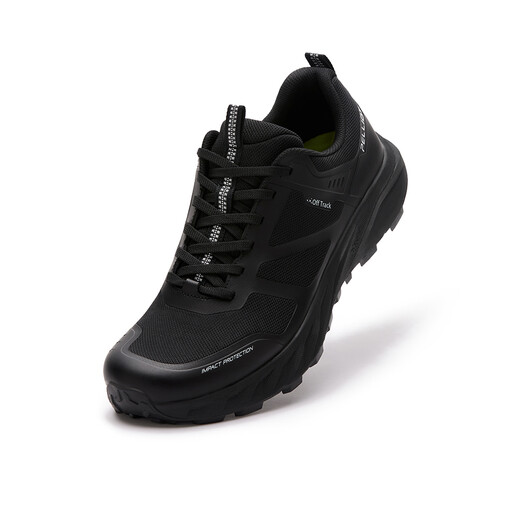
Why this product suits this profile: The combination of mesh and woven fabric in the upper, an EVA midsole and a patterned ROCKYTEC outsole makes these shoes suitable for first runs on roads and easy paths.
The choice isn’t based on low weight alone: it also takes cushioning, breathability and a more abrasion-resistant upper into account.
Sandwich mesh helps air circulate, while the EVA midsole and ROCKYTEC rubber outsole are designed for a variety of surfaces.
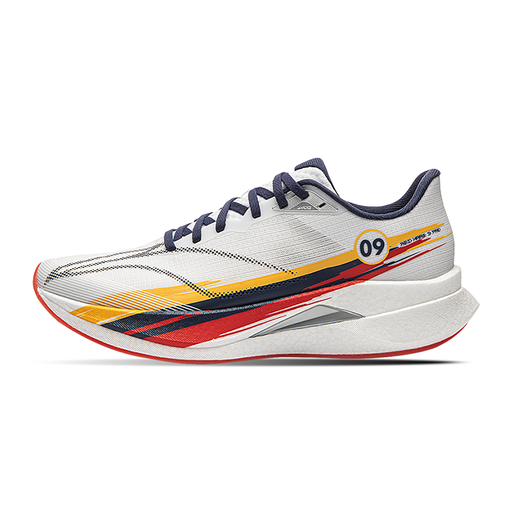
Why this product suits this profile: The widened platform, dual-layer BOOM midsole and woven upper will appeal to regular runners who value clearly specified construction details.
Instead of making general claims about comfort, the product description specifies the platform width, sole construction, upper and GCR rubber outsole.
A wider fit, full-length BOOM foam and zoned GCR rubber are clearly stated construction features.
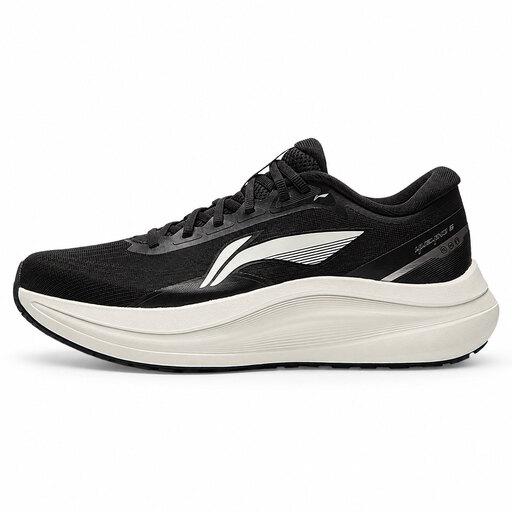
Why this product suits this profile: The shoe combines a full-length Tempo-Bounce midsole, a widened heel area and a roomier toe box for training and versatile outdoor use.
The roomier last reduces the risk of simply choosing a longer size when you need more space in the forefoot.
The Tempo-Bounce EVA midsole, PROBAR-LOC support and zoned rubber tread are designed to provide cushioning, grip and guidance.
We’ve put together a complete, regularly updated list of products that meet these strict selection criteria and fully comply with the safety regulations applicable in the EU.
How long your shoes last depends on how often you run, your body weight, the surfaces you run on, and how you care for and store them. Check the tread, visible cracks in the midsole and loose stitching regularly. After running in mud, clean trail running shoes with lukewarm water and a soft brush. Leave shoes to air-dry; don’t put them on a radiator or in a tumble dryer. If you run in changing conditions, it can be useful to alternate between two pairs, giving the materials time to dry fully between sessions.
There should be about a thumb’s width between your longest toe and the end of the shoe. Your forefoot should be able to spread out as you land, while your heel stays securely in place. If you have wider feet, a wider last is usually a better choice than going up significantly in shoe length.
There’s no reliable mileage figure that applies to every model. Check the tread, midsole and fit regularly. If the cushioning feels uneven, the outsole is badly worn or the shoe starts causing pressure points despite your size staying the same, it may be time to replace it.
Black trainers are simply a colour choice and say nothing about cushioning, grip or breathability. For training, what matters is the sole construction, fit and intended running surface. If you run at dusk, extra reflective details may be more important than the colour of the upper.