
Lieferung heute & morgen

Qualitätsgarantie

Willkommens-Angebote freischalten: KOSTENLOSE Lieferung | Bis zu 80 % RABATT | Kostenlose 30-Tage-JoyPlus-Testphase
App herunterladen
If you’re looking for men’s sports socks, you’ll find plenty of options for running, fitness, training, hiking and everyday wear. But the differences aren’t just about colour or brand logo. The cut, material, seam construction and moisture management all affect whether a pair feels comfortable in your shoes or soon slips, rubs or loses its shape.
This buying guide explains which details really matter and which marketing claims are worth checking carefully.
The term breathable socks simply means that air and water vapour can circulate through the fabric. It doesn’t necessarily mean that sweat is wicked away particularly quickly. So, check the material composition too, as well as any specific claims about moisture-wicking properties.
Cotton feels soft and comfortable, but it absorbs moisture. Men’s cotton socks can be a good choice for short training sessions or everyday wear. For long runs or intense workouts, synthetic fibres are often more practical if you want to keep moisture build-up in your shoes to a minimum.
A heavily cushioned sole can work well in walking boots or roomy training shoes. In close-fitting running shoes, though, the extra bulk may cause pressure points. The aim isn’t to get the maximum cushioning possible, but to find the right balance of shoe width, activity and personal comfort.
A size “L” can cover different EU size ranges depending on the brand. If you’re looking for socks in sizes 41–46, always check the specific size chart for the product. For the products featured here, for example, this range may be listed as EU 43–46 or shown using a brand-specific standard size. Your shoe size alone isn’t a substitute for checking the product page.
Start by checking the fibre content:
Claims such as “moisture-wicking” or moisture-wicking socks should be considered alongside the material and construction. Moisture-wicking properties are no substitute for the right shoe size or regular care.
The right sock height depends on your shoes and how you’ll use them:
Short socks are often enough for running shoes with a low cut. A higher cuff may be more practical if the top of your shoe rubs or you’re hiking.
A flat or low-seam toe can help reduce rubbing inside your shoe. An elasticated cuff and a construction that stays in place without slipping down are just as important. Reinforced areas at the heel and toe may be worth considering if you wear your socks often, provided these features are specifically mentioned in the product details.
Check the care instructions too. Some styles can be washed at 40 °C, while others are best left to air dry. High temperatures and tumble drying can put extra strain on the elasticity and fabric structure.
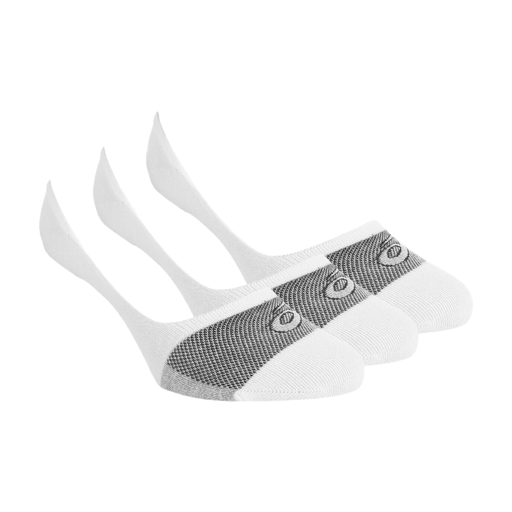
Why this product suits this profile: According to the ASICS product details, this 3-pack contains 76% cotton and 24% synthetic fibres. Its low-cut design is suited to everyday wear, trainers and short training sessions.
The specific material details make the balance of cotton and synthetic fibres clear. The listed seamless toe is designed to reduce rubbing.
3-pack, low-cut design and size III for EU 43–46 according to the size chart.
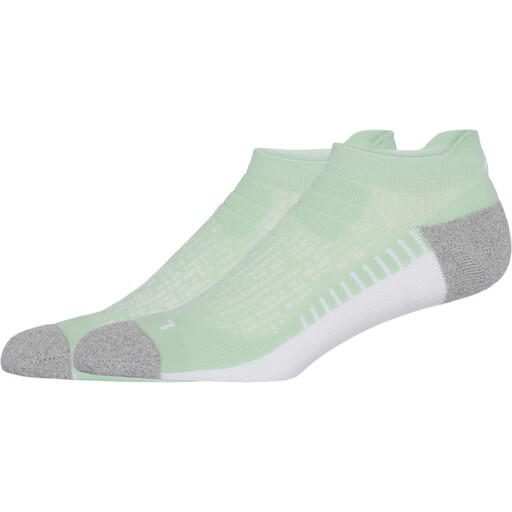
Why this product suits this profile: According to the ASICS product details, this ankle style is designed for running and intense training. Features include a breathable construction, low-seam finish and light cushioning.
The product description highlights specific construction features rather than making vague claims about comfort: an elasticated ankle cuff, light cushioning and a low-seam finish.
Suitable for EU 43–46 according to the size chart; air circulation, moisture management and light cushioning are listed as features.
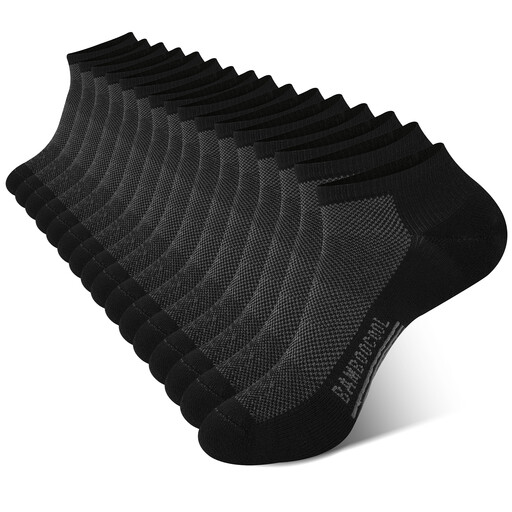
Why this product suits this profile: According to the manufacturer’s product details, this 8-pack is designed for running, hiking, training and everyday wear. Features include a cushioned sole, reinforced heel and toe, and arch support.
The product details specifically identify the key construction features. This lets you check before buying whether the cushioning and reinforcements will work with your shoes.
8-pack, moisture-wicking fabric according to the product description, plus a reinforced heel and toe.
How long your socks last depends on how often you wash them, how much friction they experience, how well your shoes fit and what they’re made from. To get the most wear out of your sports socks:
We’ve put together a complete, regularly updated list of products that meet these strict selection criteria and fully comply with the safety regulations in force in the EU.
Lightweight men’s running socks with a good fit, breathable construction and minimal rubbing are a good option for running. Choose a sock height that works with your running shoes. If you run regularly or train hard, specific details about moisture management, seam construction and cushioning matter more than a vague “performance” claim.
Men’s cotton socks can work well for everyday wear, short sessions and activities that don’t make you sweat much. Cotton does absorb moisture, though. For long runs, hikes or intense training, blended fabrics containing polyester or polyamide may be more practical. The key things to consider are how long you’ll be active, the conditions inside your shoes and how the socks feel to wear.
A 3-pack of sports socks gives you a regular change of socks for occasional activities. If you train, hike or run several times a week, a larger 6- or 8-pack can make it easier to manage your washing routine. Compare more than just the pack price: check the material, size range and care requirements too.