
Lieferung heute & morgen

Qualitätsgarantie

Willkommens-Angebote freischalten: KOSTENLOSE Lieferung | Bis zu 80 % RABATT | Kostenlose 30-Tage-JoyPlus-Testphase
App herunterladen
A good men's 3-in-1 jacket promises versatility: protection from autumn rain, a warm fleece for cool evenings, and both combined into a robust winter jacket. In practice, however, many models prove to be a compromise that fails to truly meet any single need. Before you make a decision, it's crucial to understand the typical pitfalls often hidden behind marketing promises.
This guide will help you identify the key features and find a jacket that genuinely fits your needs—whether for the daily commute, a weekend hike, or more demanding treks.
Many buyers focus on attractive designs or seemingly great deals, overlooking functional shortcomings that only become apparent with use. Pay close attention to these three points:
To avoid these pitfalls, you should focus on objective performance metrics. These three parameters are crucial for the functionality of your men's all-weather jacket.
The waterproof rating (or water column), measured in millimetres (mm), indicates how much water pressure a fabric can withstand before moisture penetrates. For daily use and light showers, a rating around 5,000 mm may suffice. However, for reliable protection on hikes with a backpack or in persistent rain, a jacket should have a waterproof rating of at least 10,000 mm. Ratings above 20,000 mm offer protection in extreme conditions. Also, look for the mention of "sealed seams," as this is another critical point where water can enter.
Breathability is often expressed as an MVTR (Moisture Vapour Transmission Rate) rating in g/m?/24h. It describes how many grams of water vapour can pass through one square meter of fabric over a 24-hour period.
A well-designed system is distinguished by high-quality components. The outer jacket (hardshell) should be made from a durable, abrasion-resistant material. The inner jacket, typically fleece or a synthetic insulation fibre, should be thick enough to provide noticeable warmth. Smooth yet sturdy zippers (e.g., from YKK) and secure attachment points at the collar and cuffs are indicators of a long-lasting and functional design.
Based on these criteria, we have identified models that offer a suitable solution for different user profiles.
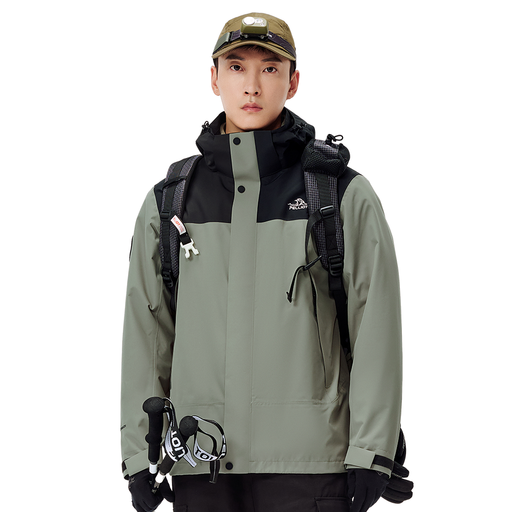
Why This Fits Their Persona: Ideal for users who want a single, reliable jacket for their commute, city strolls, and occasional trips into the countryside. The flexibility of the 3-in-1 system covers most weather conditions.
This model avoids the "impractical combination system" trap. The inner and outer jackets are designed to offer a good fit and function, both individually and when combined.
The smart 3-in-1 system is designed for a wide temperature range, from -15°C to 25°C. According to the manufacturer, the outer shell is scratch-resistant and abrasion-resistant.
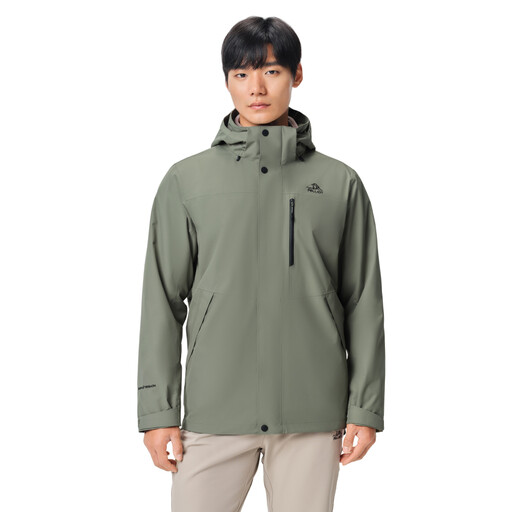
Why This Fits Their Persona: For ambitious hikers and trekking enthusiasts who need to rely on verifiable performance data. This jacket is designed for demanding tours where the weather can change in an instant.
It directly addresses the "false waterproof" and "poor breathability" traps with manufacturer-specified data: A waterproof rating of 35,900 mm H?O (JIS) and a breathability of 16,000 g/m?/24h (JIS) provide protection far beyond the standard.
High abrasion and tear resistance (over 40,000 cycles, according to the manufacturer). The inner jacket features heat-retention technology and an anti-static treatment.
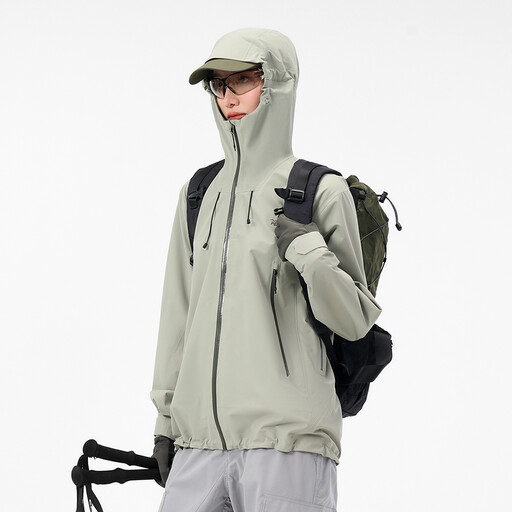
Why This Fits Their Persona: For users who demand maximum performance and flexibility. Instead of a 3-in-1 system, they prefer a high-performance outer shell that they can pair with specialized insulation layers depending on the tour and temperature.
This model is an alternative to the 3-in-1 concept, bypassing its potential compromises. It focuses on a single task: providing maximum protection as an outer layer, free from the limitations of an integrated liner.
Equipped with a RECCO avalanche rescue reflector for safety in the backcountry. Extended underarm zippers (pit zips) provide effective ventilation during high-exertion activities.
We have compiled a complete, up-to-date list of products that fully meet these strict selection criteria and safety regulations.
1. How do I properly care for a 3-in-1 jacket to maintain its waterproofness? Wash the outer and inner jackets separately according to the instructions on the care label. Use a special detergent designed for technical apparel and avoid fabric softener. Close all zippers before washing. The water-repellent (DWR) finish on the outer jacket will diminish over time and should be reapplied with a suitable spray as needed to restore its beading effect.
2. What is the difference between a 3-in-1 jacket and a pure hardshell jacket? A 3-in-1 jacket, also known as a combination jacket, consists of a waterproof outer shell and a removable, insulating inner jacket (e.g., fleece). A hardshell jacket is solely the outer protective layer without any integrated insulation. It offers more flexibility, as you can choose your insulating layer (mid-layer) freely based on temperature and activity, but it requires purchasing those layers separately.
3. Is a more expensive 3-in-1 jacket always the better choice? Not necessarily. The price often correlates with the performance of the materials (higher waterproof rating, better breathability) and additional features like special ventilation systems or reflectors. For daily use in the city, a solid mid-range model is often perfectly adequate. However, those who regularly undertake demanding tours in the mountains will benefit from the higher investment in more advanced technologies and durable materials. The choice should always be guided by your primary use case.