
Lieferung heute & morgen

Qualitätsgarantie

Willkommens-Angebote freischalten: KOSTENLOSE Lieferung | Bis zu 80 % RABATT | Kostenlose 30-Tage-JoyPlus-Testphase
App herunterladen
A men’s cotton shirt can be worn at the office, in your free time or as an extra layer under a jacket. But similar product images and marketing claims about materials don’t automatically mean you’ll find the right shirt. The key is to look for clear information about the fabric, cut, size and care.
The term cotton shirt doesn’t tell you much about the fabric itself. A men’s cotton shirt may be made from 100% cotton or blended with synthetic fibres. If you’re looking for a particular feel or weight, or a breathable cotton shirt, check the material composition in the product details.
Selected versions of the Oxford and corduroy styles featured here are listed as 100% long-staple cotton. For other items, check the exact composition on the product page.
A regular-fit shirt won’t fit the same way from every brand. Even shirts described as “relaxed” can vary in their cut across the shoulders, chest and sleeves. A men’s long-sleeved shirt that’s too tight can restrict movement, while an overly loose style may bunch under a jacket.
So measure a shirt that fits you well and compare:
Oxford fabric has a distinctive weave and usually feels more structured than a very lightweight casual shirt. Corduroy has a ribbed texture and a more substantial feel, making it particularly suited to cooler days or layering. A lightweight men’s Oxford shirt, on the other hand, can be more versatile in changeable weather and indoors.
Don’t judge a claim such as “durable” in isolation. Weave, stitching, buttons, collar shape and care instructions are all worth considering too.
When choosing a men’s cotton shirt, there are at least three important details to look for:
Oxford fabric is often associated with a visible texture and a slightly more structured shape. The Oxford shirt featured here is described as having an Oxford weave made from long-staple cotton. According to the product description, it’s unlined and designed to be worn on its own or as an extra layer.
Men’s corduroy shirts, by contrast, have clearly defined ribs. The corduroy style featured here is described as having fine ribs, a button-down collar and a chest pocket. Its texture is worth bearing in mind when styling it with a T-shirt, jumper or jacket.
A regular-fit shirt sits between a slim and a very loose cut. If you plan to layer it, you’ll want a little room to move around the chest and upper arms. If you’ll mainly wear it under a suit jacket, you may prefer a less bulky style. A little extra room is usually more practical if you’re wearing it over a T-shirt.
Also check whether the product description says “relaxed fit”, “regular fit” or “slim fit”. These terms aren’t based on a single, standardised set of measurements, so it’s still important to check the size guide.
A cotton shirt in blue, grey or khaki can be worn with jeans, chinos and dark trousers. Sky blue usually looks lighter and more understated, while navy creates stronger contrast with lighter trousers. Grey can work well in neutral outfits, while khaki adds a noticeably warmer tone.
When choosing a shirt, check whether your preferred colour is available in the size you need. Different sizes and colours may be listed on separate product pages for different versions of the same style.
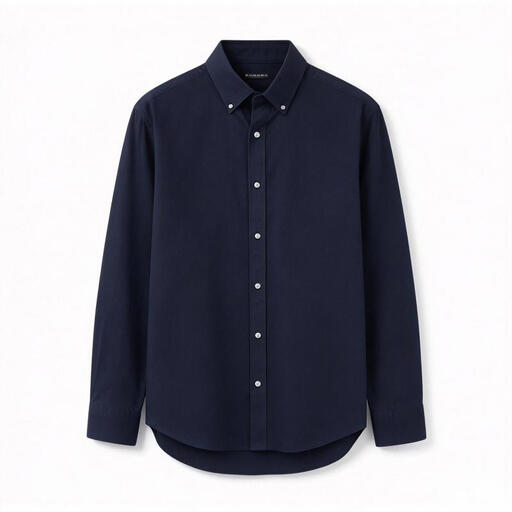
Why it suits this shopper: This navy Oxford style in size M is a good option if you’re after a classic casual shirt that’s easy to style. The product page lets you check the price, availability and sizing details.
The colour and size are clearly stated. Before buying, check the material details, measurements and care instructions on the product page rather than relying on the product image alone.
Oxford fabric, a navy colour and long sleeves, according to the product title.
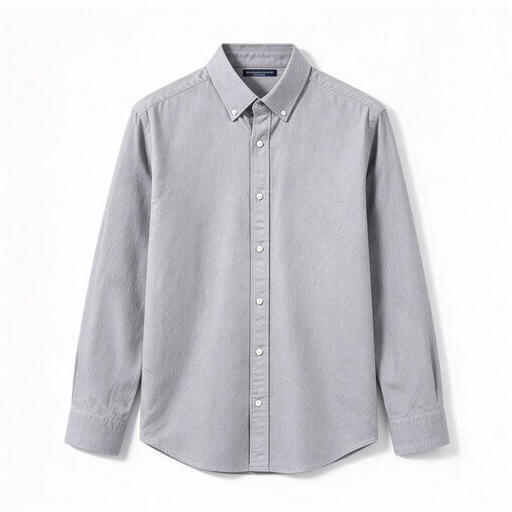
Why it suits this shopper: According to the product description, this grey Oxford shirt is made from 100% long-staple cotton. Its textured weave, relaxed cut and layering potential make it a versatile choice for everyday wear or work.
The product description clearly states the material, weave and fit. This makes it easier to compare with very lightweight fabrics or blends with unclear compositions.
100% long-staple cotton, an Oxford weave, an unlined design and a relaxed cut, according to the product information.
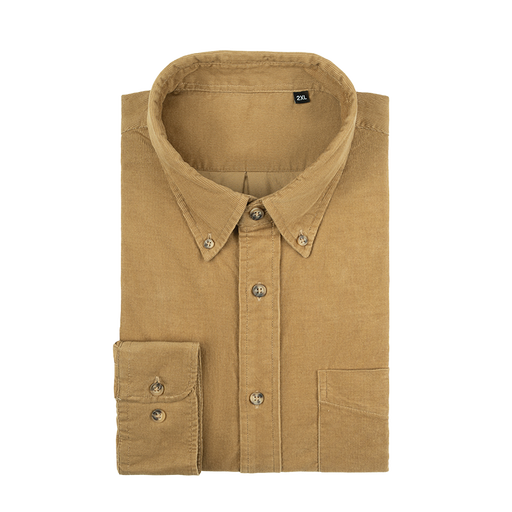
Why it suits this shopper: This khaki corduroy shirt is a good option if you’re looking for a textured finish, a chest pocket and an extra layer for cooler days.
The corduroy texture, button-down collar and chest pocket are all clearly described. This helps you avoid choosing a smooth shirt by mistake when you’re looking for a warmer layering option.
100% long-staple cotton, fine corduroy ribs, a chest pocket and a regular, relaxed fit, according to the product description.
A shirt’s lifespan depends not only on the material but also on how you care for it. Care instructions for the Oxford and corduroy styles described here include machine washing with similar colours, tumble drying at a low temperature and ironing on a medium heat. Turn the corduroy shirt inside out before washing to help protect the ribbed texture.
Before you buy, check:
We’ve put together a complete, regularly updated list of products that meet these strict selection criteria and fully comply with the safety regulations in force in the EU.
That depends on the colour, collar, fabric texture and dress code. A grey or navy Oxford shirt can look more understated than a bold corduroy style. For more formal settings, also look for a neat collar, the right sleeve length and a fit that doesn’t crease easily.
Compare your measurements, or the measurements of a shirt that fits you well, with the size guide for the product you’re considering. Your usual size may work well if you plan to wear it over a T-shirt. If you want to wear it close-fitting under a jacket, pay particular attention to the chest and shoulder measurements. Without your individual measurements, it isn’t possible to recommend a specific size reliably.
Always follow the care instructions for the specific product. These often recommend washing with similar colours, tumble drying at a low temperature and ironing on a medium heat. Turn corduroy inside out before washing and keep it out of direct sunlight to help preserve its texture and colour.