
Lieferung heute & morgen

Qualitätsgarantie
App herunterladen
Kategorien
Selecting an electric shaver depends on technical parameters that should be tailored to your individual use case and beard type. Two primary technologies define the market: foil shavers and rotary shavers. Understanding their functional differences is the foundation for making an informed decision.
Foil shavers operate with an oscillating blade block that sits beneath a perforated metal foil. This design is particularly suitable for capturing short, straight-growing facial hair and allows for high precision when defining contours, such as on sideburns.
Rotary shavers, on the other hand, use multiple (typically three or more) circular shaving heads that move in a circular motion. Thanks to their flexibly mounted heads, they adapt well to uneven facial areas like the chin and jawline. They are often advantageous for longer stubble or irregular hair growth.
The decision for a specific model should be based on an analysis of product features in relation to your personal requirements.
Choosing the shaving system is the most fundamental decision.
Modern wet and dry shavers offer enhanced flexibility. Water resistance is classified by the IP (Ingress Protection) rating.
The option for a wet shave with foam or gel can be beneficial for individuals with sensitive skin, as it reduces friction and provides additional skin care.
For mobile use, cordless shavers are the standard. Relevant parameters include:
Easy cleaning contributes to the device's longevity and hygiene. Most waterproof models can be cleaned by rinsing the shaving head under running water. Detachable shaving heads facilitate this process. The cutting elements (shaving foil and blade block) are consumable parts and should be replaced at intervals of 12 to 18 months, depending on the manufacturer's instructions and usage intensity, to ensure consistent shaving performance.
Based on the technical criteria mentioned above, we present three models with different specialisations.
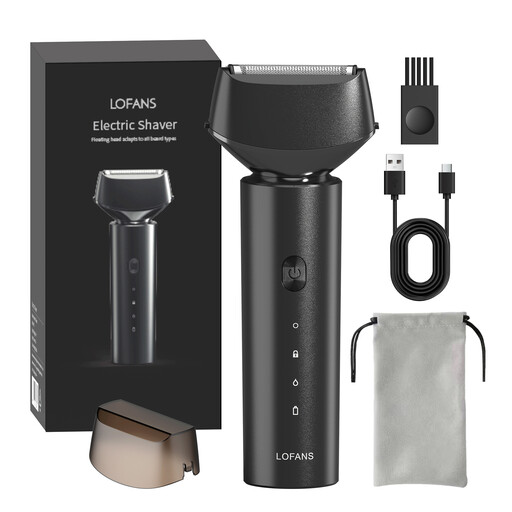
Why we recommend it: This model is a classic foil shaver designed for precision and portability. The combination of floating blades, IPX7 water resistance, and USB-C charging makes it a functional tool for daily grooming and travel.
Pros:
Best for: Users who prefer a daily, close facial shave and value precise results. Its compact design and USB-C port also make it an excellent choice for business travellers.
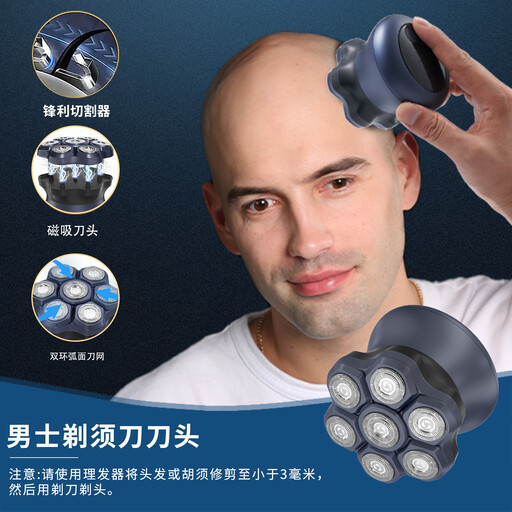
Why we recommend it: This rotary shaver is designed as a specialised head shaver. With seven shaving heads, it offers maximum coverage to shave the head quickly and efficiently.
Pros:
Best for: Men who are bald or regularly shave their heads. The design is optimised for the anatomy of the skull.
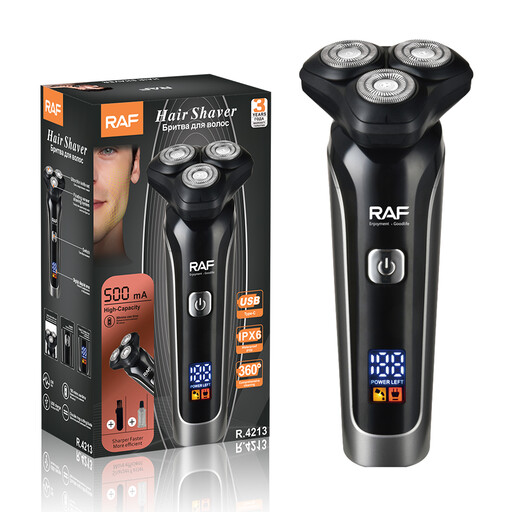
Why we recommend it: This model is a versatile rotary shaver with 3D floating heads, allowing for flexible adaptation to facial contours. The 10,000 RPM motor ensures a swift shave.
Pros:
Best for: Users looking for a flexible all-rounder for facial shaving that adapts well to different contours and can be used both wet and dry.
For a wider selection of models with different specifications and for various applications, you can consult our main category for rechargeable men's shavers.
1. What is the functional difference between a foil and a rotary shaver? A foil shaver uses an oscillating blade block under a straight foil and is well-suited for precise lines and daily shaving of short stubble. A rotary shaver uses round, spinning shaving heads that flexibly adapt to facial contours and are effective at capturing longer hair growing in different directions.
2. At what intervals should shaving heads and blades be replaced? The lifespan of shaving heads and blades depends on usage. As a general guideline, many manufacturers recommend replacement every 12 to 18 months to ensure optimal shaving performance and skin comfort. Signs that a replacement is needed include a less close shave or a noticeable pulling sensation on the hair.
3. What does the IPX rating mean for an electric shaver? The IP rating indicates a device's level of protection against the ingress of foreign objects and water. For shavers, IPX6 (protection against powerful water jets) and IPX7 (protection against temporary immersion) are relevant. Both standards allow for safe cleaning under running water. An IPX7-certified shaver offers a higher safety margin against water exposure.