
Lieferung heute & morgen

Qualitätsgarantie

Willkommens-Angebote freischalten: KOSTENLOSE Lieferung | Bis zu 80 % RABATT | Kostenlose 30-Tage-JoyPlus-Testphase
App herunterladen
If you’re looking for men’s hiking boots, you’ll find countless models promising waterproofing, stability and comfort. However, not every claim describes the actual intended use. A lightweight shoe for forest paths needs different features to a robust pair of hiking boots for men designed for scree, mud or longer trekking trips.
A membrane described as waterproof can reduce water ingress. However, it doesn’t replace proper care and won’t necessarily protect against sustained water pressure. The tongue, seams and the transition to your trousers also affect how dry your foot stays. For walks through wet grass or light rain showers, waterproof men’s hiking boots can be a sensible choice. When crossing deeper streams, the shaft height remains the deciding factor.
Slip-resistant hiking boots need an outsole that suits the environment. Deep lugs can offer advantages on loose ground, whereas a very aggressive tread can feel less comfortable on smooth surfaces or firm tarmac. So, don’t just check the tread depth – also consider the sole material and the arrangement of the lugs.
Men’s hiking boots that are too hard or too tight can cause pressure points on long distances. Your toes shift forward, especially on descents. Sufficient space in the toe area, a secure heel fit and suitable walking socks are more important than an overly snug fit. Similar principles apply to cushioned running shoes with a wide toe box, though with a different emphasis on flexibility and the rolling motion.
First, assign your planned use to a category:
The tread of the PELLIOT hiking boot is described in the product description as a high-traction rubber sole with a specialised lug pattern. The manufacturer lists wet rock, loose gravel and muddy slopes among its intended uses. These details refer to the product description and should not be equated with a guarantee for every weather or terrain situation.
Pay attention to the specific material information:
Also check whether the boot is machine washable. For the PELLIOT model mentioned, it is recommended to clean the upper with a damp cloth and mild soap, and to dry the boot away from direct heat.
EU sizing varies depending on the brand and last. Measure both feet in the evening, wearing the socks you intend to use. Then refer to the foot length in the relevant size chart.
For the PELLIOT hiking boot, the following allocations are given:
If your foot length falls between two measurements, the product description recommends the larger size. For Li-Ning running shoes with a wide toe box, it is stated that the regular size fits true; for wider feet or if you prefer more room in the toe area, you might consider going up half a size.
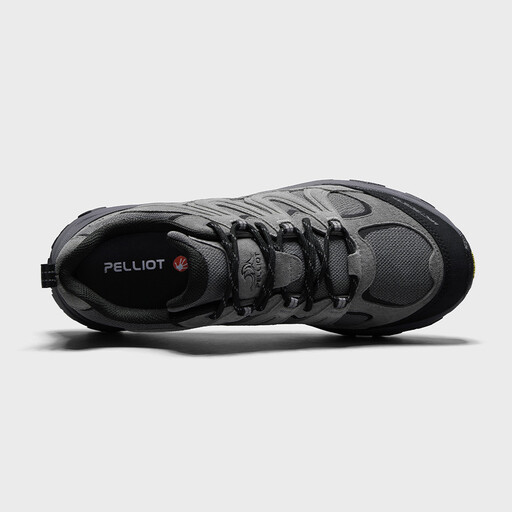
Why this product suits the profile: The EU 43 version is aimed at users looking for a straightforward walking shoe for leisure, camping and easy routes. Before buying, you should compare your own foot length with the available size.
The specific EU size is clearly stated. This makes it easier to match your choice to your measured foot length and preferred walking sock.
Clear size option and a low-cut hiking shoe for less technical paths.
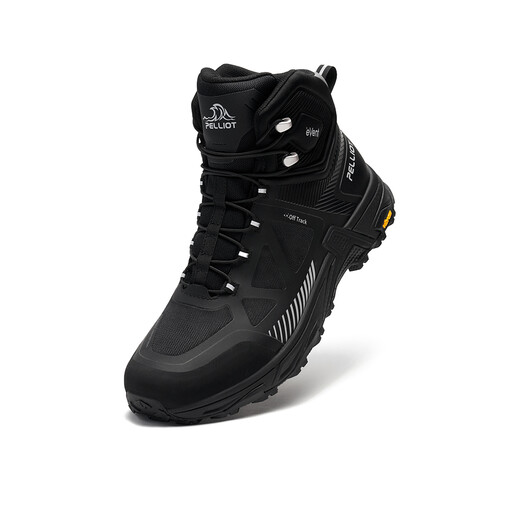
Why this product suits the profile: The specifications – abrasion-resistant upper, toe cap, waterproof membrane and profiled rubber sole – are suited to longer trekking trips and changing conditions.
The product description names specific components rather than just general terms: membrane, toe protection, abrasion-resistant material and high-traction rubber sole.
Waterproof membrane according to the product information, specialised tread sole, toe cap and one-handed quick-lace system.
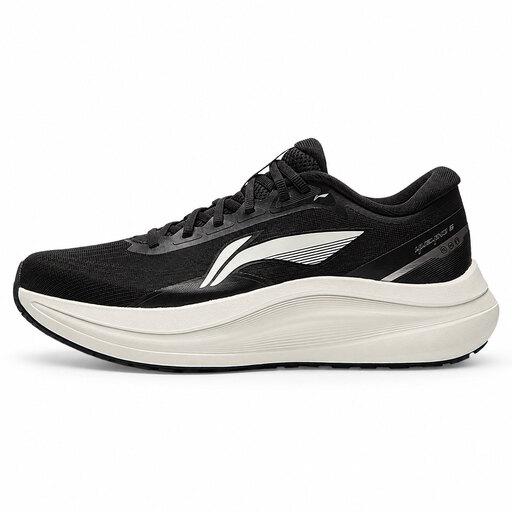
Why this product suits the profile: For runners and sporty users who also do regular training alongside outdoor activities, this model offers a different focus to classic mountain boots.
The product description mentions a wide toe box, a full-length Tempo Bounce midsole and a zoned rubber outsole. This makes it easier to distinguish from heavy trekking boots.
Wide toe area, EVA foam in the outsole, heel fixation and a designated cushioning construction.
We’ve put together a full, regularly updated list of products that fully meet these strict selection criteria and the safety regulations in force in the EU.
The lifespan of men’s hiking boots depends heavily on the terrain, load, body weight, care and storage. After every trip, you should remove mud and sand. Let the boots dry at room temperature and avoid radiators or strong direct heat. This can stress the adhesives and upper material.
Check regularly for:
A boot with a significantly worn sole should not continue to be used for demanding terrain just because the upper is still in good condition.
Measure your foot length with the socks you intend to wear and compare it with the model’s size chart. If you’re between two sizes, the larger option can be sensible for a trekking boot. What matters is that the heel sits securely and your toes don’t hit the front when descending.
A waterproof membrane can be useful in rain and on wet ground. However, in warm weather such a boot can feel hotter than a more open model. For dry, easy paths, breathable outdoor shoes for men without a pronounced weather protection construction are often more practical.
Hiking boots generally focus more on tread, protection and stability. Running shoes like the Li-Ning YUEYING 6, on the other hand, are designed for the rolling motion, cushioning and a lighter construction. For rocky, steep terrain, you should specifically check the sole and protection rather than deciding solely based on comfort on flat ground.