
Lieferung heute & morgen

Qualitätsgarantie

Willkommens-Angebote freischalten: KOSTENLOSE Lieferung | Bis zu 80 % RABATT | Kostenlose 30-Tage-JoyPlus-Testphase
App herunterladen
Men’s joggers should feel comfortable, allow you to move freely and suit the activity you have in mind. Many styles look similar in product photos, but can differ considerably in fabric weight, cut, waistband and features. If you choose based only on colour or price, you could end up with trousers that feel too warm for sport, lose their shape when you sit down or don’t have enough pockets for everyday use.
Three pitfalls crop up particularly often:
Care requirements are easy to overlook, too. Cotton can change if it’s not cared for correctly, while some blends dry more quickly, depending on their construction. Before buying, check that the care instructions suit how you plan to use the trousers.
Cotton joggers are often a good choice for leisure, relaxing at home, gentle yoga and laid-back everyday wear. Product descriptions often highlight cotton’s softness and breathability. However, it can take longer to dry than performance fabrics.
For more intensive activity, men’s sports trousers with polyester or elastane are often more practical. For example, the ASICS MEN MATCH PANT MIDNIGHT is listed as 87% polyester and 13% elastane. The product description also mentions a lightweight, moisture-managing knit and an adjustable waistband. These details describe the fabric and construction only; they shouldn’t be taken to imply any medical benefits.
Heavier men’s sweatpants can be a good choice for colder days. The Urban Classics Ultra Heavy Sweatpants are described as 100% cotton and 460 g/m². A heavier fabric can provide more warmth and structure, but usually makes the trousers less lightweight and compact.
An elasticated waistband with a drawstring lets you adjust the fit. Check whether the drawstring is inside or outside, and whether the waistband stays secure when you sit down. Elasticated cuffs help stop the trousers riding up when you walk or exercise. A straight or wide leg, on the other hand, may be better suited to streetwear and casual outfits.
If you’re looking for men’s training trousers or men’s running trousers, also check the leg opening, freedom of movement and moisture management. For hiking, hard-wearing fabrics, well-placed pockets and, where appropriate, a softshell construction matter more than a soft sweatshirt fabric.
Sizes S to XXL aren’t completely consistent between brands. Use the size guide for the product you’re considering and compare the waist, hip and inside leg measurements with a pair of trousers that fits you well.
For example, the Urban Classics Fluffy Sweatpants list waist and hip measurements, as well as an inside leg length of 83 cm for each size. The Urban Classics Vintage Heavy Trackpants size guide uses waist and length measurements in inches, among other details. These size guides aren’t directly comparable.
A little extra room can be useful if you want a relaxed fit. Running or hiking trousers, however, shouldn’t be so loose that they catch on branches, equipment or footwear.
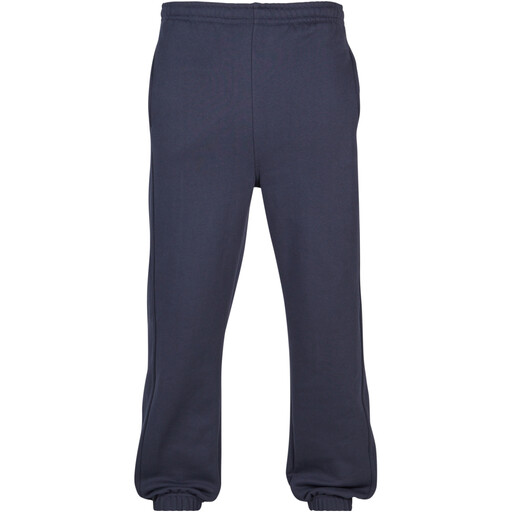
Why this product suits this profile: The 80% cotton and 20% polyester blend, elasticated waistband and drawstring make these trousers suitable for leisure, relaxing at home and light everyday activities.
The specific fabric blend replaces vague promises about comfort. The care instructions specify 30 °C and provide further guidance.
Cotton-rich fabric, an elasticated waistband with a drawstring and a range of sizes, according to the product information.
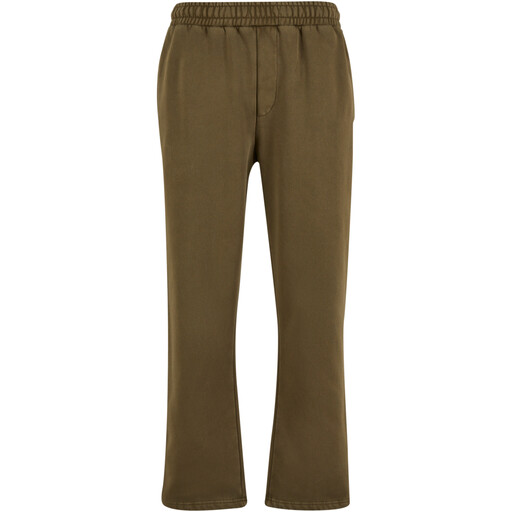
Why this product suits this profile: The relaxed cut and described heavyweight fabric make these a good choice for anyone looking for structured casual trousers with a vintage, streetwear feel.
Rather than simply claiming the fabric is “hard-wearing”, the product description specifies 70% cotton and 30% polyester, as well as a tightly woven construction.
Elasticated waistband with an internal drawstring, two side pockets and sizes from XXS to XXXL, according to the product information.
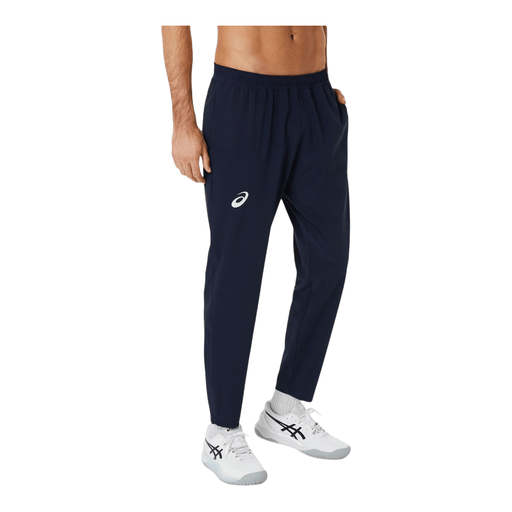
Why this product suits this profile: The product information highlights tennis and training, and lists a lightweight knit, a drawstring waistband and side pockets with mesh lining.
The choice is based on specific fabric and feature details, rather than general claims about suitability for sport.
87% polyester and 13% elastane, an adjustable waistband and sizing based on body and circumference measurements.
We’ve put together a complete, regularly updated list of products that meet these strict selection criteria and fully comply with the safety regulations in force in the EU.
For everyday wear and leisure, styles with cotton, an elasticated waistband and practical side pockets are usually a good place to start. Also check the care instructions and look for a size guide with specific measurements. For longer walks or changeable temperatures, a blended fabric may be more practical than pure cotton.
Their lifespan depends on the fabric weight, construction, how often you wear them and how you care for them. There’s no reliable one-size-fits-all answer in months or years. Follow the care label, avoid unnecessarily high temperatures and check before buying that the fabric is suited to the activity you have in mind.
For a single pair, the main costs are washing and drying. Washing at 30 °C and air-drying can reduce energy use compared with hotter programmes or frequent tumble-drying. However, always follow the care label and take your household appliances into account.