
Lieferung heute & morgen

Qualitätsgarantie

Willkommens-Angebote freischalten: KOSTENLOSE Lieferung | Bis zu 80 % RABATT | Kostenlose 30-Tage-JoyPlus-Testphase
App herunterladen
An intense workout or a long run can quickly become uncomfortable with the wrong apparel. A standard cotton T-shirt soaks up sweat, becomes heavy, and chills your body during breaks. A high-quality men's performance shirt is engineered to prevent these exact problems. It supports your performance by ensuring a dry and comfortable microclimate.
This article presents a selection of performance shirts and explains the key features you should look for when making your choice. The goal is to provide you with an informed basis for selecting your next training shirt.
Choosing the right shirt depends on the materials, fit, and the specific demands of your sport. Here are three central points to consider.
The core feature of a good performance shirt is its moisture management capability. Synthetic fibres like polyester are the top choice here. Unlike cotton, they absorb very little moisture. Instead, they pull sweat away from the skin to the fabric's surface, where it can evaporate quickly. This process is known as moisture-wicking. A breathable fabric enhances this effect by promoting air circulation, which helps prevent heat build-up. The result is a consistently dry and lightweight feel.
The right fit is crucial for both comfort and function. A shirt that is too loose can get in the way during movement, while one that is too tight can restrict your range of motion and cause uncomfortable chafing. For activities like running, a close-to-body but non-restrictive fit is ideal to minimise friction. In the gym, many prefer a slightly looser fit for maximum freedom of movement during strength exercises. Pay attention to the manufacturer's size charts, especially if you're looking for a common size like a men's XL sports shirt, as cuts can vary.
Depending on the intended use, other features can be beneficial. For runners who are often out at dusk or in the dark, reflective elements on a men's black running shirt are an important safety feature. Some shirts are also equipped with antibacterial technologies that inhibit the growth of odour-causing bacteria. Flatlock seams are another quality indicator, as they prevent skin irritation and chafing on long runs or during intense workouts.
Based on material properties, functionality, and user feedback, we have compiled a selection of models suitable for various athletic demands.

Why It Stands Out: The ASICS Core Top is a classic performance shirt that focuses on the essential features for runners and fitness enthusiasts. Its lightweight construction and thoughtful details make it a reliable companion.
Benefits:
Who Is It For? This shirt is an excellent choice for athletes looking for a straightforward and functional men's black running shirt. It is particularly well-suited for regular training and for runners who value visibility in low-light conditions.
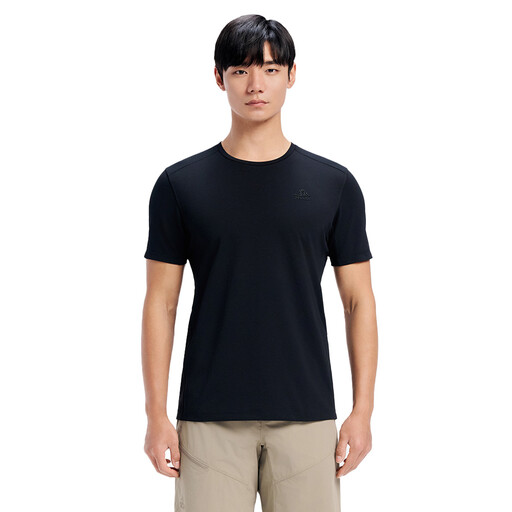
Why It Stands Out: The PELLIOT T-shirt features an advanced fabric technology that combines moisture management with antibacterial properties. The high-stretch piqué fabric is designed for maximum performance.
Benefits:
Who Is It For? Ideal for athletes who demand maximum dryness and comfort during high-intensity workouts. Anyone looking for a men's fitness shirt that stays fresh even after long sessions will find a suitable option here.

Why It Stands Out: The Nike Dry Park 20 T-Shirt combines proven Dri-FIT technology with a timeless design. It's a versatile all-rounder that performs well both in training and for everyday wear.
Benefits:
Who Is It For? This training shirt is for men who want a reliable and easy-care top for the gym, the sports field, or leisure activities. It's a solid choice for anyone who relies on the proven quality and functionality of Nike.
A performance shirt is optimised for intense athletic activities. However, if you're looking for an option that combines functionality with a more formal look—for the golf course or an active lifestyle, for example—a polo shirt might be the right choice. Many modern polo shirts are also made from performance materials.
? Discover our selection of Men's Polo Shirts for more options.
The main difference lies in the material and how it behaves with moisture. Cotton absorbs sweat, becoming heavy, clinging to the skin, and drying slowly. A performance shirt made from synthetic fibres like polyester is moisture-wicking. It transports sweat to the surface where it can evaporate, keeping your body drier and better able to perform.
Performance apparel should be washed at low temperatures (30-40°C / 86-104°F). Use a mild detergent and avoid fabric softener, as it can clog the fabric's pores and impair breathability. It's best to air-dry the shirt, as the heat from a dryer can damage the elastic fibres.
A quick-drying shirt prevents your body from chilling due to wet clothing after a workout or during breaks. This reduces the risk of muscle strains and colds. Additionally, the lightweight, dry feel provides significantly more comfort, allowing you to focus fully on your performance.