
Lieferung heute & morgen

Qualitätsgarantie

Willkommens-Angebote freischalten: KOSTENLOSE Lieferung | Bis zu 80 % RABATT | Kostenlose 30-Tage-JoyPlus-Testphase
App herunterladen
For ambitious runners, choosing the right shoe is more than a matter of comfort—it's a strategic decision that can determine whether you achieve a new personal best. However, the market for men's competition running shoes is filled with marketing promises and technical jargon that often confuses more than it helps. Before you invest, it's crucial to understand the most common pitfalls that lead to expensive purchasing mistakes.
To make an informed decision, you should focus on objective criteria. These three technical parameters are decisive for the performance of a competition shoe.
The core of modern, high-speed running shoes is the midsole. This is where energy is stored upon impact and released for toe-off.
A powerful engine is of little use without a suitable chassis. The upper must securely envelop the foot without restricting blood circulation or causing heat build-up.
The outsole is the direct connection to the road. Its composition determines the shoe's grip, safety, and longevity. A special rubber compound like GCU (Ground Control Unit) is designed to provide reliable traction on both wet and dry surfaces while also being abrasion-resistant. The tread pattern should be designed to maximise traction without adding unnecessary weight.
Based on these objective criteria, we have identified several models suitable for the specific requirements of competitive runners.
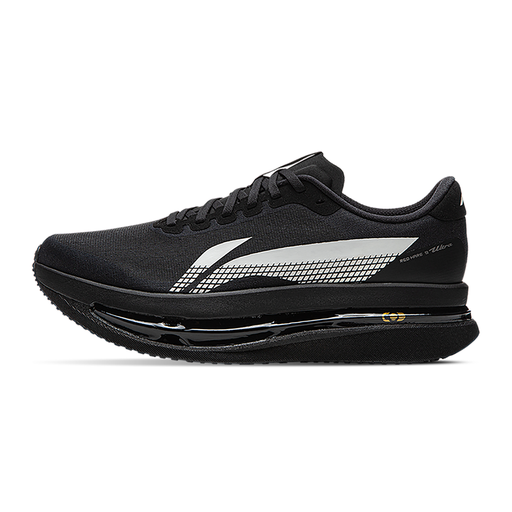
Why This Fits Their Persona: This runner is looking for a shoe for maximum performance in 10K races, half-marathons, and intense training sessions. Explosive responsiveness and low weight are the top priorities.
Instead of vague promises, the shoe delivers a clearly defined triple-layer midsole construction and a bio-inspired fibreglass plate that provides balanced support, avoiding the "too stiff" trap.
The combination of Super BOOM and BOOM foam ensures targeted energy return. The GCU outsole provides reliable grip for fast corners and changing conditions.
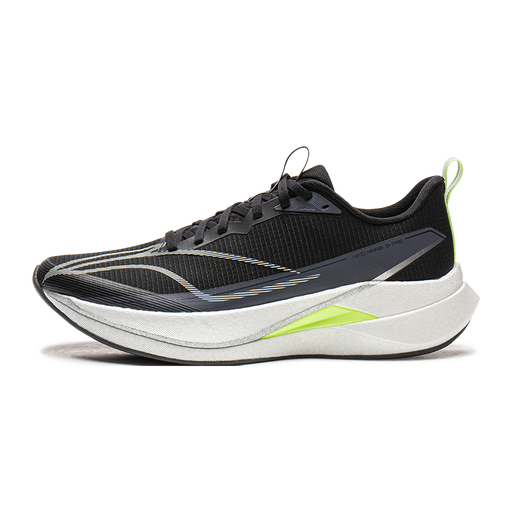
Why This Fits Their Persona: For this runner, stability and efficiency over 42.195 kilometres are more important than maximum aggression. They need a shoe that prevents fatigue and supports a consistent rhythm.
This model bypasses the "lightweight at all costs" trap. It offers a widened platform for greater stability without adding extra weight, and provides concrete data to back it up (a claimed +6% stability, according to the manufacturer).
The widened base and the midfoot TPU plate reduce the risk of overpronation. The dual-layer BOOM midsole offers a balanced mix of cushioning and responsiveness for long distances.
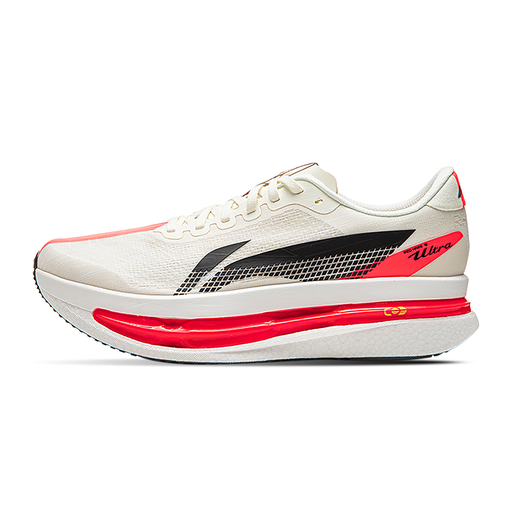
Why This Fits Their Persona: This athlete needs a reliable shoe that is suitable for both fast training sessions and race day itself. Versatility and a balance of responsiveness and durability are crucial.
The BOOM FIBER upper offers a solution to the weight-versus-durability compromise. It is lightweight and breathable, yet robust enough for regular training and provides a secure lockdown.
The construction is explicitly designed for HIIT and long-distance race training. This makes it a versatile tool for runners who want to use their shoes for personal bests across various disciplines.
We have compiled a complete, up-to-date list of products that meet these stringent selection criteria.
The lifespan of a competition shoe is typically measured in kilometres or miles, not time. Most models are designed for a mileage of around 300 to 500 kilometres (approx. 180-310 miles). It's often the responsive foam in the midsole that loses its performance first, even before the plate itself is affected. It is recommended to use these shoes specifically for key training sessions and races to maximise their lifespan.
Not necessarily. Although lower weight can improve running economy, the right balance of cushioning, stability, and energy return is more critical. An extremely lightweight shoe may offer too little support over long distances like a marathon, leading to premature muscle fatigue and ultimately a slower time. The shoe must match the runner, their running style, and the distance.
That depends on your personal goals. If you train ambitiously and are specifically looking to improve your race times, a shoe with a stiffening element (like a carbon or fibreglass plate) can provide a measurable efficiency gain. For general fitness training or easy long runs, a traditional, well-cushioned training shoe is often the more comfortable and durable choice. Think of it as a specialised tool for performance optimisation.