
Lieferung heute & morgen

Qualitätsgarantie

Willkommens-Angebote freischalten: KOSTENLOSE Lieferung | Bis zu 80 % RABATT | Kostenlose 30-Tage-JoyPlus-Testphase
App herunterladen
Choosing the right men’s running shoes starts with the intended use, foot shape and running style—not with the colour or brand logo. A shoe for daily road runs needs different features than men’s trail running shoes or lightweight models for fast training sessions. Even popular men’s sneakers such as the adidas Samba OG, adidas Gazelle Indoor and Nike Dunk Low are not automatically designed for regular run training.
As a Joybuy Product Recommendation Officer, I filter product information according to transparent criteria and assign products to different usage profiles. This helps avoid common purchasing mistakes without relying solely on marketing terms such as “ultralight”, “maximum performance” or “revolutionary cushioning”.
A heavily cushioned midsole may feel comfortable when trying on a shoe. However, it is not automatically suitable for every running style or surface. The decisive factors are cushioning type, sole construction and ride characteristics. Cushioned running shoes can be useful for longer road runs, while a more direct underfoot feel may be preferable for short speed sessions.
Look for specific information about the midsole material, such as EVA foam or multi-layer foam constructions. Terms such as “energy return” alone reveal little about the actual ride without details about the materials and construction.
A narrow shoe may initially hold the foot securely. However, if it constricts the forefoot, pressure points and friction can develop. This can become particularly uncomfortable during long runs or in warm weather. Stable running shoes should secure the foot around the heel without permanently compressing the toes.
If you need more room in the forefoot, specifically look for wide running shoes with a roomy toe box. A wider last is not the same as simply choosing a larger shoe size. Excess length can cause the heel to slip.
According to their product descriptions, models such as the adidas Samba OG, adidas Gazelle Indoor and Nike Dunk Low are intended for everyday wear, leisure and streetwear. Their flat or classic cupsole construction differs from that of modern running shoes. For regular road running, you should therefore look for a suitable midsole, breathable upper and running-specific outsole.
Ideally, measure both feet in the evening while wearing the running socks you plan to use. Base your choice on the longer foot. There should be a small amount of room for movement between the longest toe and the front of the shoe. Your toes should be able to spread naturally as you roll through the stride, without the foot sliding forwards inside the shoe.
If you have wider feet, check the forefoot width as well as the length. Some models are available with a wider last or a more generous toe box. The Li-Ning YUEYING 6 models, for example, are described as offering a roomier fit. According to the product information, choosing half a size larger may be suitable if you need additional space or plan to wear thicker socks.
For daily runs, a balanced combination of comfort, weight and a secure platform matters most. According to the product description, the Li-Ning YUEYING 6 models use a full-length Tempo-Bounce midsole together with a widened heel and PROBAR-LOC support. These are specific construction features that allow you to compare the shoe with other cushioned running shoes.
Different criteria apply to race-focused training or marathon running. A close fit, low weight and firmer platform may be preferable. The Li-Ning RED HARE 9 ULTRA and RED HARE 9 PRO are described as featuring multi-layer BOOM foam, a glass-fibre or TPU support component and a geometry designed to promote forward roll. These details should be understood as product features, not as a guarantee of a particular race time or freedom from injury.
Breathable men’s sports shoes often use mesh or woven textiles. This can support airflow, but it does not replace suitable socks or regular drying. After a run, allow the shoes to air-dry at room temperature. Direct heat can put stress on materials and adhesive bonds.
For road running, a relatively flat rubber outsole with sufficient abrasion resistance is usually adequate. If you regularly run on woodland paths, gravel or damp surfaces, you need deeper tread and a more robust construction. PELLIOT models are described as featuring a ROCKYTEC rubber outsole and being suitable for routes ranging from urban paths to mountain trails. Before buying, check whether the specific version actually has the tread pattern and material specifications you require.
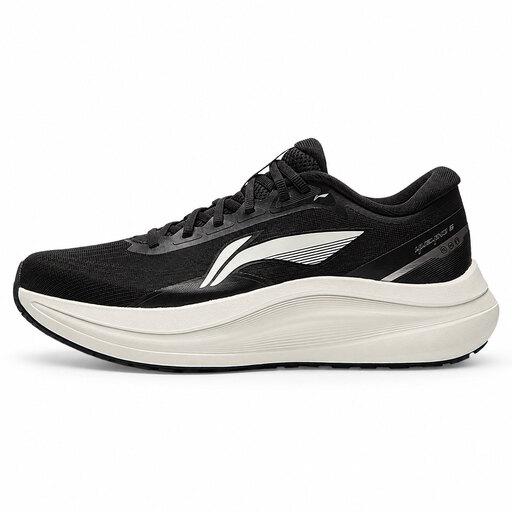
Why it fits the profile: For beginners looking for a cushioned road and training shoe with additional room in the forefoot.
The product information specifies a roomier toe box, widened heel and full-length Tempo-Bounce midsole.
Textile and PU upper, rubber outsole, zoned traction and size options for additional room.
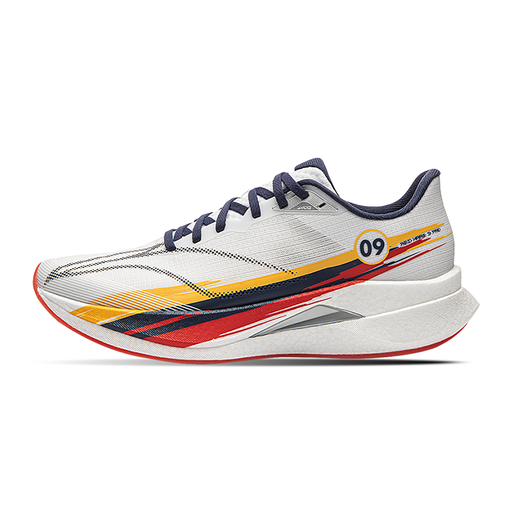
Why it fits the profile: For runners seeking a lightweight model with a wider platform and running-specific geometry for training sessions.
According to the product information, the construction combines a widened platform with dual-layer BOOM foam and a TPU plate for torsional control.
Woven BOOM-FIBER upper, GCR rubber outsole and a described fit with additional forefoot room.
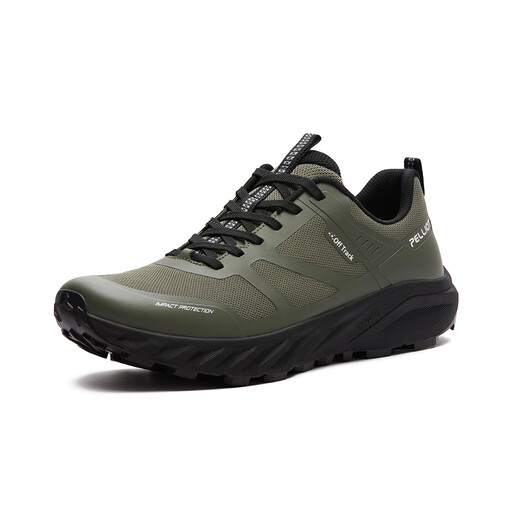
Why it fits the profile: For users who move between asphalt, park paths and lighter trail sections.
The model is described as featuring an EVA midsole and ROCKYTEC outsole rather than being promoted solely with vague comfort claims.
Sandwich mesh, EVA foam, abrasion-resistant construction and a rubber outsole designed for varied surfaces.
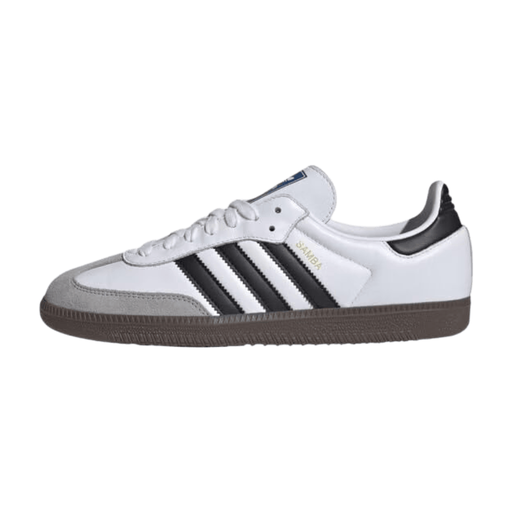
Why it fits the profile: For buyers looking for a versatile men’s sneaker for everyday wear, the office and streetwear—not a training shoe.
Classifying it as an everyday shoe prevents a classic sneaker sole from being confused with a running shoe for longer training sessions.
Suede upper, synthetic leather lining and durable natural rubber cupsole.
Running shoes should be allowed to dry completely after use. If necessary, remove the insole and clean the upper with a damp cloth. A washing machine or harsh cleaning products can damage adhesives, foam and textiles.
Service life depends on body weight, running surface, training volume and materials. Regularly inspect the tread, creasing in the midsole and any loss of support. When choosing a size, always use the manufacturer’s individual size chart: EU sizes can vary between brands and lasts.
We have put together a current selection of products that can be compared by fit, materials and intended use.
No fixed mileage figure applies to every model. Regularly check the tread, midsole and heel support. Visible cracks, heavily worn areas or a noticeably changed ride are signs that the shoes should be replaced.
That depends on the cushioning, fit and your personal familiarity with the shoe. Low weight alone does not automatically make a shoe suitable for marathon or long-distance training. Start by testing new models during shorter sessions.
Look for a clearly stated wide last or a generous toe box. Models such as the Li-Ning YUEYING 6 are described as offering more room in the forefoot. Nevertheless, compare your foot length with the size chart and make sure the heel remains securely seated.