
Lieferung heute & morgen

Qualitätsgarantie

Willkommens-Angebote freischalten: KOSTENLOSE Lieferung | Bis zu 80 % RABATT | Kostenlose 30-Tage-JoyPlus-Testphase
App herunterladen
If you’re looking to buy men’s running shoes, there’s a wide choice for road running, treadmills, marathons, trail running and all kinds of outdoor activities. Product names can sound more informative than the technical details, though. Terms such as ‘stable’, ‘lightweight’ or ‘maximum cushioning’ shouldn’t be considered in isolation. What matters is whether the construction, fit and outsole suit the way you plan to use the shoes.
‘Performance’, ‘Racing’ and ‘Professional’ are product labels, not a substitute for specific information about the midsole, tread or fit. Instead, check:
A lightweight road-running shoe may be less suitable on wet woodland paths, while a trail shoe with a deep tread may feel unnecessarily stiff or heavy on tarmac.
Cushioned running shoes don’t automatically reduce sideways movement. A soft midsole may feel comfortable underfoot, but it doesn’t necessarily provide a wide platform or a stabilising construction. If you’re looking for more support, check for a wider base, a reinforced heel or clearly described support features.
Too little room in the forefoot can become uncomfortable on longer runs. Running shoes with a wide toe box or a roomier toe area give your toes more space. The heel still needs to fit securely, though. A shoe that’s too big overall may slip when running downhill or changing direction quickly.
The midsole affects the ride, comfort and weight of a shoe. EVA foam is often used for its combination of low weight and cushioning. Multi-layer foam constructions can combine different properties, such as comfort and energy return. However, treat manufacturers’ claims as technical product descriptions, not as a guarantee of a particular running performance or improvement.
For long training runs and marathon preparation, cushioned running shoes with a comfortable midsole are often a good option. For short, fast runs, a more responsive ride may be preferable. The right choice depends on your training volume, the surface you run on and how the shoes feel to you.
Stable running shoes may have a wider base, a firmer heel counter or extra reinforcement in the upper. Some models describe their stability in terms of a wider platform or a plate in the sole construction. These features can be especially useful if you want a secure fit over longer distances.
When trying shoes on, check for:
For men’s road-running shoes, a flatter, even tread with abrasion-resistant rubber is usually enough. Men’s trail-running shoes, on the other hand, need more pronounced lugs and an outsole designed for loose ground, mud or wet rocks.
A deep tread isn’t automatically better on every surface. On smooth tarmac, it can change how the shoe meets the ground, while a road-running outsole may not provide enough grip on scree. If you run on both city streets and outdoor trails, you could choose a versatile road-to-trail model or use two distinct types of shoe.

Why this product suits this type of runner: This unisex model is designed for road runs, paths and routes that move between tarmac and light off-road terrain. Mesh and woven elements help with ventilation, while the EVA midsole combines cushioning and energy return.
The product description clearly specifies the midsole material, upper and sizing. This makes it easier to choose based on technical features rather than marketing terms alone.
Sandwich mesh, an EVA midsole and a ROCKYTEC rubber outsole are listed as key construction features. Both a standard and a narrower fit are available.
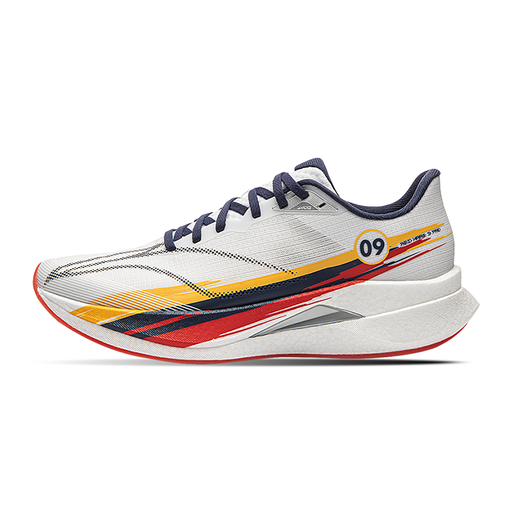
Why this product suits this type of runner: According to the product details, this model is designed for training, long distances and faster runs. Its key features include a widened platform, a dual-layer BOOM midsole and a woven, breathable upper.
The construction is described in more detail than simply calling the shoe ‘lightweight’: the product details separately list the platform width, TPU element, midsole, upper and GCR outsole.
A widened last, BOOM foam and a GCR rubber outsole. The forefoot and heel are described as roomier.
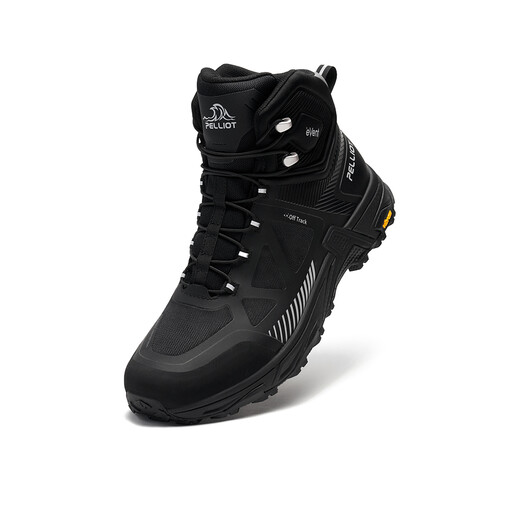
Why this product suits this type of user: For mountain walks, camping and more demanding outdoor routes, protection, weather resistance and grip matter more than keeping weight as low as possible.
This model isn’t presented as an all-purpose road-running shoe. Instead, it’s described as having a protective toe cap, a water-repellent membrane and a lugged rubber sole for outdoor use.
Listed features include abrasion-resistant synthetic material, toe protection, a waterproof membrane and a lugged tread for varied terrain.
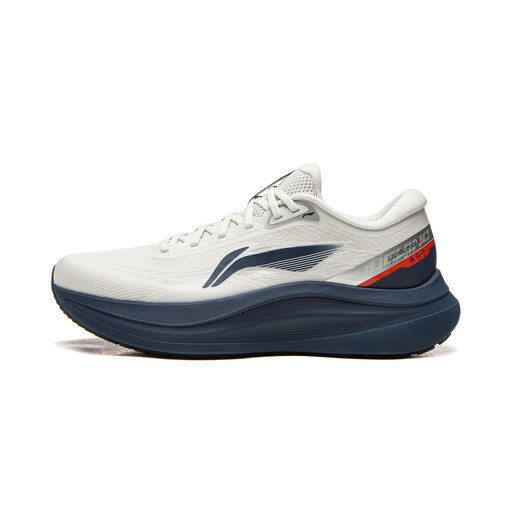
Why this product suits this type of runner: The product description mentions an improved last shape, a wider heel and a non-restrictive fit. This could suit runners who prefer more room in the forefoot.
The fit is described in specific terms, including the shape of the last, forefoot room and heel width. If you need even more space, going up half a size is suggested as an option.
Key features include a Tempo-Bounce midsole, PROBAR-LOC support, a widened heel and a zoned rubber outsole.
Measure both feet in the evening, wearing the socks you plan to run in. Then check the relevant size chart. Your feet may swell more during longer runs, so your toes shouldn’t already be touching the front of the shoe when you’re standing still.
To help your shoes last longer:
We’ve put together a complete, regularly updated list of products that meet these strict selection criteria and fully comply with the safety regulations in force in the EU.
How long they last depends on how often you run, your body weight, the surface, how you care for them and how they’re made. Check the tread, midsole, upper and heel regularly. If the cushioning or support has noticeably deteriorated, it’s time to reassess your shoes.
For tarmac, men’s road-running shoes with an even tread, suitable cushioning and a secure fit are a practical choice. A deep trail tread is most useful if you regularly run on gravel, woodland paths or uneven routes.
No. Lightweight men’s running shoes can feel agile, but they still need to suit your needs and fit well. For long training runs, a balanced combination of weight, cushioning, stability and enough room for your toes may be more suitable than choosing the lightest shoes possible.