
Lieferung heute & morgen

Qualitätsgarantie

Willkommens-Angebote freischalten: KOSTENLOSE Lieferung | Bis zu 80 % RABATT | Kostenlose 30-Tage-JoyPlus-Testphase
App herunterladen
Choosing the right men’s running shoes starts with more than eye-catching design or a single marketing claim. What matters is where you’ll use them, your foot shape, the surface you’ll run on and how the shoe is constructed overall. Check these points before buying to reduce the risk of pressure points, premature wear or choosing a shoe that isn’t suited to your route.
Lightweight men’s running shoes can feel pleasantly responsive during training. However, low weight tells you little about cushioning, stability or durability. A very pared-back design may feel less comfortable on longer runs, while a model with more cushioning often uses more material and may therefore weigh more.
So don’t focus on weight alone. Consider how these features work together:
Non-slip sports shoes are especially useful if you’ll be running on wet paths, gravel, roots or loose earth. However, a pronounced trail tread may not roll as smoothly on tarmac as a flatter road-running outsole.
Choose men’s trail running shoes based on the terrain you’ll actually encounter. For mixed routes that take in parks, tracks and paved surfaces, road-to-trail shoes can be a practical middle ground. For technical mountain trails, the word “outdoor” alone isn’t enough: tread shape, rubber compound and upper protection all matter.
Running shoes with a wide toe box give your forefoot more room, but they won’t automatically suit every foot. A shoe that’s too wide can let your heel move around, while a narrow last can put pressure on your toes – particularly if you need a little more room during long runs.
Measure both feet in the afternoon and compare the longer foot with the size chart for the model you’re considering. If you’re between sizes, going half a size up may be a good option if you wear thicker running socks or prefer extra room around your toes.
For cushioned running shoes, the midsole construction matters more than general claims such as “soft” or “responsive”. EVA foam can provide cushioning and energy return. More cushioning doesn’t automatically make a shoe right for your running style. The important thing is whether it feels controlled when you walk and run, and whether its roll-off suits your training.
For regular longer runs, pay attention to the outsole too. A well-cushioned midsole won’t help much if the tread wears down quickly on your usual routes.
Stable running shoes can offer more guidance thanks to a wider base, a firmer heel construction or additional features around the midfoot. This may appeal to runners who prefer a more controlled feel as their foot rolls forwards. However, a product description is no substitute for personalised medical advice. If discomfort persists, reduce your training load and seek professional advice.
When trying shoes on, check that the heel feels secure without the laces pressing uncomfortably. The shoe shouldn’t slip when walking downhill or changing direction.
A mesh or woven upper can help air circulate. TPU or polyurethane reinforcements may offer extra protection in high-wear areas. However, breathability alone won’t keep your feet dry in wet conditions.
The outsole should suit the surface:
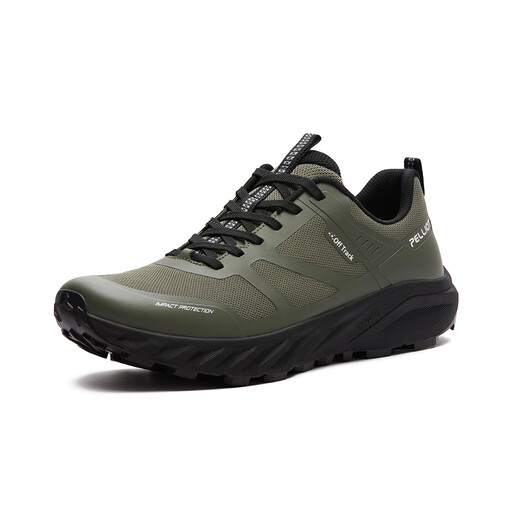
Why this product suits this type of runner: This model is designed for road runs, tracks and routes that switch between paved and unpaved surfaces. The sandwich mesh and woven construction are designed to promote airflow.
The choice isn’t based on low weight alone: it also takes into account the EVA midsole and ROCKYTEC rubber outsole, designed for a range of surfaces.
Lightweight upper, highly elastic EVA midsole and tread designed for road-to-trail use.
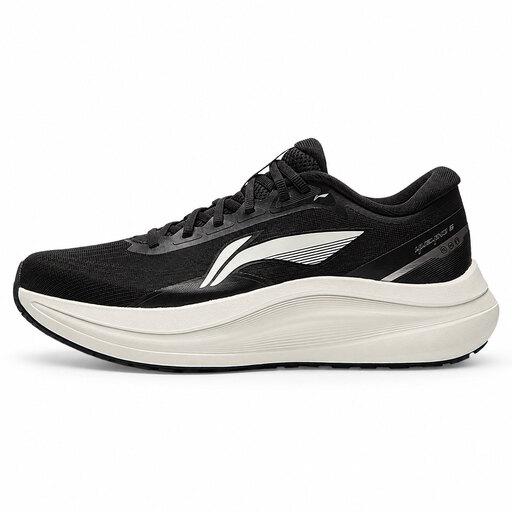
Why this product suits this type of runner: Its construction combines a full-length Tempo Bounce midsole, a wider heel and a roomier fit across the forefoot.
Rather than simply describing the wide toe box as comfortable, the product information gives details about the last, heel width and recommended sizing.
Textile upper, EVA foam in the outsole, zoned tread and PROBAR-LOC support, according to the product description.
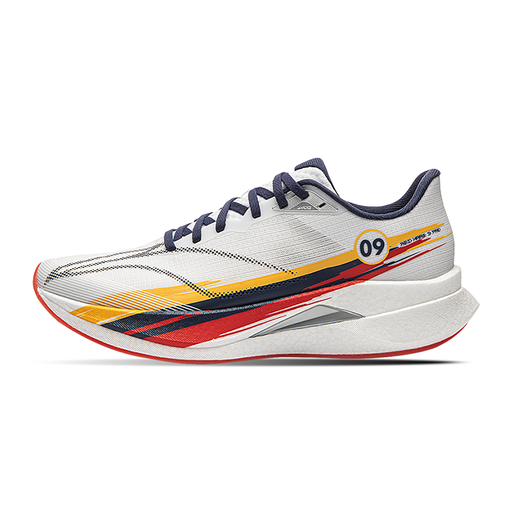
Why this product suits this type of runner: The BOOM midsole, wide platform, rocker geometry and woven upper make this shoe suited to longer training runs and dynamic sessions.
The product details cover more than just lightweight construction: they also mention platform width, torsional control, ventilation and a GCR tread.
Woven upper, dual BOOM foam construction and GCR rubber outsole with textured tread, according to the manufacturer.
For strength training, leisure and everyday wear, a model such as the adidas Samba OG men’s trainers may also be worth considering. Its flat rubber cupsole and suede upper make it a versatile everyday shoe. For regular long runs or uneven terrain, however, the running shoe features described above matter more than appearance.
We’ve put together a complete, regularly updated list of products that meet these strict selection criteria and fully comply with the safety regulations in force in the EU.
After training, let your running shoes air out. Don’t dry them on a radiator or in direct heat. Depending on the material, you can remove dirt with a damp cloth or by washing them gently by hand. Machine washing can put extra strain on the adhesives, foam and upper.
There’s no fixed mileage that determines how long running shoes will last. Wear depends on your body weight, running style, the surfaces you use them on, how often you train and how you store them. Check regularly for:
The heel should feel secure without being tight. When standing upright, there should be a little room in front of your toes. Your toes should be able to spread out without touching the front of the shoe. If possible, try running shoes on with the socks you wear for training.
Lifespan depends on how often you use them and the surfaces you run on. Rather than relying solely on a mileage figure, check the condition of the cushioning, tread and upper. If you notice visible wear or a change in how the shoes feel when you run, it may be time for a new pair.
For marathon running, look for a good fit, consistent cushioning, secure heel hold and a tread suited to the surface. Wear your marathon shoes for several longer training sessions before race day. Trying a new pair for the first time on the day of the event increases the risk of rubbing and pressure points.