
Lieferung heute & morgen

Qualitätsgarantie

Willkommens-Angebote freischalten: KOSTENLOSE Lieferung | Bis zu 80 % RABATT | Kostenlose 30-Tage-JoyPlus-Testphase
App herunterladen
The range of men's running shoes spans everything from minimalist road shoes to trail-running shoes with deep tread. Marketing claims such as ‘maximum cushioning’, ‘secure support’ and ‘ultra-lightweight’ are only useful when you know what technical features they actually refer to.
As Joybuy Product Recommendation Officer, I assess product details against clear, verifiable criteria. This can help you avoid common buying mistakes, whether you jog occasionally, regularly run long distances or switch between tarmac and woodland trails.
Lightweight running shoes can feel comfortable during faster training sessions. However, weighing less doesn’t automatically mean they offer enough cushioning, stability or protection on uneven paths. For long distances and hard surfaces, the balance between weight, midsole and outsole is what matters.
A highly yielding midsole can feel comfortable when you try a shoe on. But on a longer run, it also matters whether your heel stays secure and your foot doesn’t slide around inside the shoe. So check more than just the padding: look at the heel construction, lacing and lateral support too.
An EU size doesn’t guarantee the same fit across every model. Wide feet often need more room in the forefoot. Running shoes with a wide toe box should allow your toes to spread slightly as you push off, without the heel feeling loose. If you wear thick running socks, going up half a size may help, as long as the shoe doesn’t end up too long.
For cushioned running shoes, the midsole material is a key factor. EVA cushioning is widely used because EVA foam combines light weight with elasticity. Claims such as ‘high rebound’ or ‘soft landings’ are best judged by looking at the actual construction:
According to the product details, the Li-Ning YUEYING 6 models feature a full-length Tempo-Bounce midsole made from EVA foam. The upper is made from textile and polyurethane, while the outsole combines rubber and EVA foam.
Stable running shoes don’t simply need to feel as firm as possible. A secure heel fit, a suitable last shape and an outsole with enough ground contact are all important. A shoe that’s too tight can cause pressure points, while too much room can let your foot slide around.
The Li-Ning model is described as having a heel that’s 2 mm wider, a PROBAR-LOC support structure and a HEEL-LOC system. These details describe the shoe’s construction, but they don’t guarantee a perfect fit for everyone. Ideally, try the shoes on with the socks you plan to wear when running.
Breathable running shoes can feel more comfortable in warm weather and during longer sessions. Mesh and woven materials encourage airflow, while additional TPU reinforcements can improve abrasion resistance. Think about where you’ll use them:
For road running, a flexible rubber tread with a flatter profile is often enough. By contrast, non-slip running shoes for wet woodland paths or gravel need more pronounced tread and an abrasion-resistant rubber compound. A trail-running shoe isn’t automatically more comfortable on tarmac; its tread can feel firmer and less flexible on that surface.

Why this product suits this type of runner: The combination of a lightweight mesh upper, an EVA midsole and a versatile rubber outsole makes these shoes suitable for regular jogging on roads and surfaced paths.
The choice isn’t based on weight alone: the product details specifically mention EVA cushioning, breathable sandwich mesh and a treaded ROCKYTEC rubber outsole.
Lightweight upper, highly elastic EVA foam and EU 43 size listed for a 265 mm foot length according to the size chart.
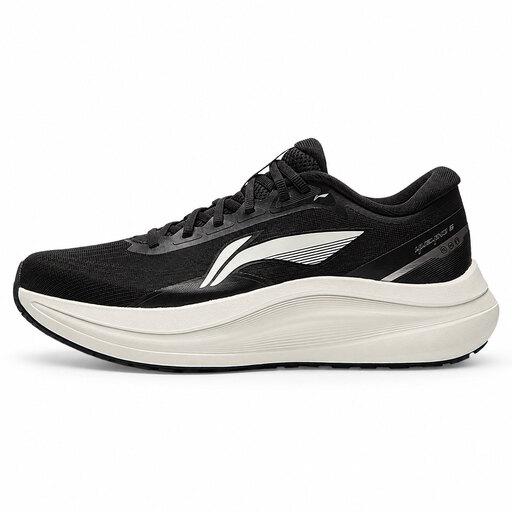
Why this product suits this type of runner: If you value a well-defined construction and a roomier fit, this shoe offers full-length cushioning, a widened heel and an explicitly stated wide toe box.
Fit isn’t described by EU size alone. According to the product information, going up half a size may be a good option if you have wider feet or need more room.
Full-length Tempo-Bounce midsole, PROBAR-LOC support and zoned rubber outsole with HEEL-LOC system.
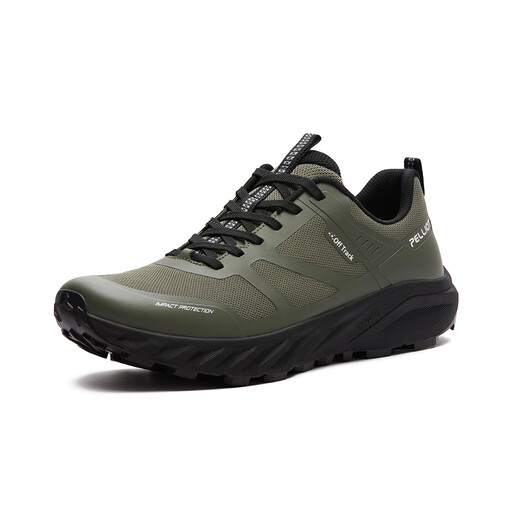
Why this product suits this type of runner: This model is designed for runs on tarmac, surfaced paths and a mix of surfaces. Its reinforced upper and treaded outsole are useful features for frequent use.
Rather than relying on a road-only tread for every surface, this model combines mesh with abrasion-resistant reinforcements and a ROCKYTEC rubber outsole.
EVA midsole, breathable sandwich mesh and rubber tread for switching between roads, park paths and easy trails.
When trying on men's running shoes, check the following:
If you experience persistent pain, numbness or pressure points, stop training and seek medical advice if necessary. Product details about cushioning or stability are not medical recommendations.
We’ve put together a complete, regularly updated list of products that meet these strict selection criteria and fully comply with the safety regulations in force in the EU.
How long they last depends on how often you run, your body weight, the surface, how you care for them and the materials used. Check the tread, midsole and upper regularly. Noticeably worn-down tread, cracks or foam that stays compressed are signs that it may be time for a new pair. It isn’t possible to give a reliable mileage figure without knowing how the shoes are used and which model they are.
Cushioning can feel comfortable over long distances. However, a good individual fit, secure heel hold and a tread suited to the surface are still essential. Try new shoes on shorter runs first before wearing them for a long session.
For switching between tarmac and easy woodland paths, look for models with a versatile rubber outsole and moderate tread. For gravel, mud or wet rocks, specialist trail-running shoes with stronger grip are a better choice. Road shoes shouldn’t be used on technically challenging trails.