
Lieferung heute & morgen

Qualitätsgarantie

Willkommens-Angebote freischalten: KOSTENLOSE Lieferung | Bis zu 80 % RABATT | Kostenlose 30-Tage-JoyPlus-Testphase
App herunterladen
Anyone looking to buy men’s running shoes will find countless models featuring terms such as “Energy Return”, “Performance” or “maximum cushioning”. However, these labels alone reveal little about whether a shoe suits your running style, the surface you run on or the shape of your foot. What really matters are clear, measurable features: fit, midsole, outsole, weight and intended use.
Lightweight running shoes can feel pleasantly responsive during fast-paced training. For longer runs, however, some runners need more stability or more comfortable cushioning. A highly stripped-back racing shoe is therefore not necessarily suitable for everyday training mileage.
A soft midsole can affect the comfort of your stride, but it cannot replace the correct size and a secure fit. When buying cushioned running shoes, you should therefore check that your foot is adequately supported around the midfoot and heel. Claims of guaranteed injury prevention are not appropriate.
Road running shoes are primarily designed for asphalt, paved paths and running tracks. If you regularly run on wet woodland paths, gravel or muddy sections, pay attention to the tread, rubber compound and abrasion resistance. A road-running model is not automatically a suitable trail running shoe.
Your EU size is only a starting point. Depending on the shape of the last, shoes with the same stated size can fit differently. For EU 43, one of the PELLIOT models lists a recommended foot length of 265 mm. This measurement applies to that particular model and should not be transferred to other brands without checking.
Pay attention to the following:
EVA foam is used in many running shoes because it combines low weight with elastic properties. Its performance depends on the construction, firmness, geometry and thickness of the layers, however. A three-layer construction, as described for the Li-Ning RED HARE 9 ULTRA, can feel different from a continuous EVA midsole.
For marathon running shoes and long training runs, a smooth transition through the stride and a secure fit are also important. If you are looking for men’s racing shoes, you should additionally consider weight, responsiveness at faster paces and how accustomed you are to the shoe. An integrated plate or particularly responsive foam is no substitute for a good fit.
Breathable mesh can improve air circulation. This is particularly useful in warm weather and during longer sessions. Even with breathable sports shoes, you should check whether the reinforcements around the midfoot provide sufficient support.
The outsole must suit the surface:
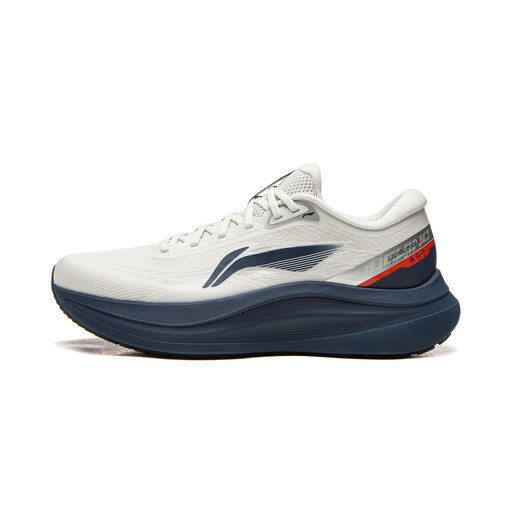
Why this product suits the profile: The combination of a roomier toe box, textile upper and full-length Tempo-Bounce midsole is designed for comfortable running training.
The focus is not solely on low weight, but also on fit, heel hold and a zoned rubber outsole.
Full-length EVA-based midsole, widened heel and PROBAR-LOC support, according to the product description.
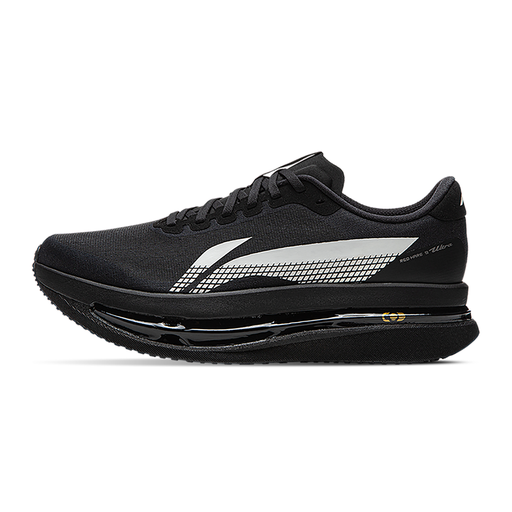
Why this product suits the profile: The race-focused last, BOOM-FIBER mesh and three-layer midsole construction are designed for fast sessions and racing situations.
The specifications name specific components such as a fibreglass plate, GCU outsole and 3D mesh, rather than relying only on general performance terms.
Lightweight upper, three-part foam construction and GCU rubber outsole, according to the manufacturer’s specifications.
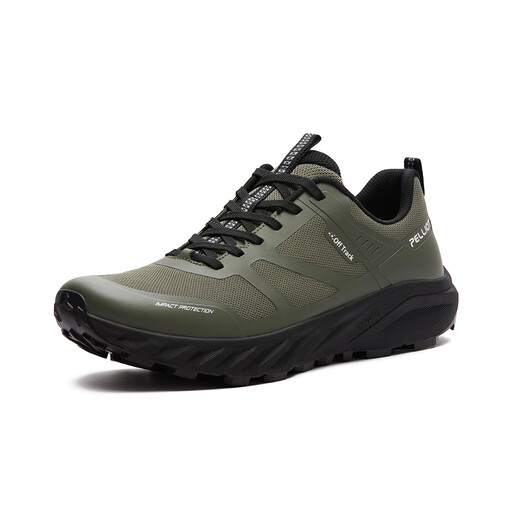
Why this product suits the profile: This model is designed for road running and transitions onto paved or unpaved paths, making it suitable for routes with changing surfaces.
A choice of different fits and a lugged ROCKYTEC outsole take both foot shape and running surface into account.
Sandwich mesh, EVA midsole and abrasion-resistant rubber outsole, according to the product description.
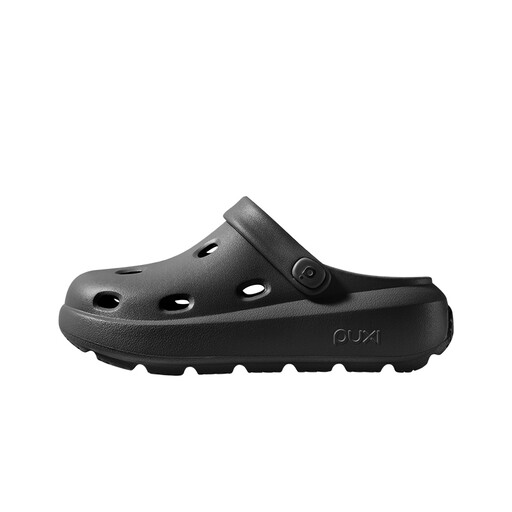
Why this product suits the profile: These lightweight one-piece unisex clogs are suitable for leisure, travel, the garden and short walks, but not as a replacement for functional running shoes.
The size information refers to a foot length of 265 mm; the ventilation openings and lugged EVA sole are clearly described.
One-piece EVA construction, ventilation holes and a 6-cm sole with palm-shaped tread, according to the product specifications.
Even well-fitting men’s running shoes wear down depending on body weight, running surface, training volume and sole material. Check regularly whether the tread is heavily worn, the midsole appears permanently compressed or the upper is tearing.
Follow these simple care guidelines:
We have put together a complete, regularly updated list of products that fully meet these strict selection criteria and the safety regulations applicable in the EU.
The shoe should hold your heel securely without pressing. There should be a little space around the toes so that they do not touch the front of the shoe as you roll through your stride. Measure your foot length and compare it with the size chart for the relevant model.
There is no universally reliable mileage figure. Instead, look for worn tread, reduced shape retention and visible damage. A pair used every day on asphalt will generally wear differently from one used occasionally on softer paths.
That depends on the cushioning, fit, stability and how accustomed you are to the shoe. For long sessions, choose a model that continues to provide a secure fit and comfortable stride after extended periods of running. Racing-oriented models should first be worn for shorter runs before being used over longer distances.