
Lieferung heute & morgen

Qualitätsgarantie

Willkommens-Angebote freischalten: KOSTENLOSE Lieferung | Bis zu 80 % RABATT | Kostenlose 30-Tage-JoyPlus-Testphase
App herunterladen
If you’re looking to buy men’s running shoes, you’ll find plenty of models described as “lightweight”, “responsive”, “stable” or “suitable for all surfaces”. These claims are only useful if they match your running style and intended use. A road running shoe isn’t automatically suitable for woodland paths, and soft cushioning can’t make up for the wrong size.
Lightweight running shoes can feel comfortable during training. What matters, though, is whether the midsole, upper and outsole are right for the demands you’ll place on them. A very pared-back shoe may work well for short sessions, while longer runs call for more cushioning and dependable heel support.
Phrases such as “energy return” or “stable platform” don’t tell you much on their own. Look for specific details about the midsole, sole width, heel hold, tread and upper. If information about fit or size conversion is missing, there’s a greater risk of ordering a pair that doesn’t fit.
A model with a smooth rubber sole may feel comfortable on tarmac, but offer less grip on wet woodland paths. Men’s trail running shoes need a more pronounced tread and an upper with better protection against abrasion. Lifestyle trainers, such as basketball or casual shoes, aren’t necessarily designed for running and training.
With cushioned running shoes, it’s all about balancing comfort with a more direct feel for the ground. EVA foam and proprietary foams vary in their construction and firmness. For longer road runs, a full-length midsole with enough cushioning can be a good choice. If you prefer short, fast sessions, look for a shoe that rolls smoothly through your stride, too.
Treat manufacturers’ claims about rebound or percentage improvements as product information, not as a personal guarantee of performance or health benefits. Your body weight, running technique and the surface you run on can all have a significant effect on how a shoe feels.
Wide-fit running shoes offer more room in the forefoot, but aren’t right for every foot. When your feet are under load, there should be some room for movement between your toes and the front of the shoe. The heel, by contrast, shouldn’t slip noticeably.
It’s a good idea to measure your feet in the evening and compare the result with the size chart for the specific model. If you wear thick running socks or have wider feet, going up half a size may be worth considering, as long as the heel still feels secure. Don’t assume a size such as “EU 44 1/3” will be the same across different brands.
For tarmac, a shallower tread with abrasion-resistant rubber is usually enough. On gravel, damp paths or loose earth, men’s trail running shoes with more pronounced tread are a better choice. A mesh or woven upper can help with airflow. Reinforcements around the toes and sides are useful on trails, as they can help protect your feet from knocks against stones and branches.
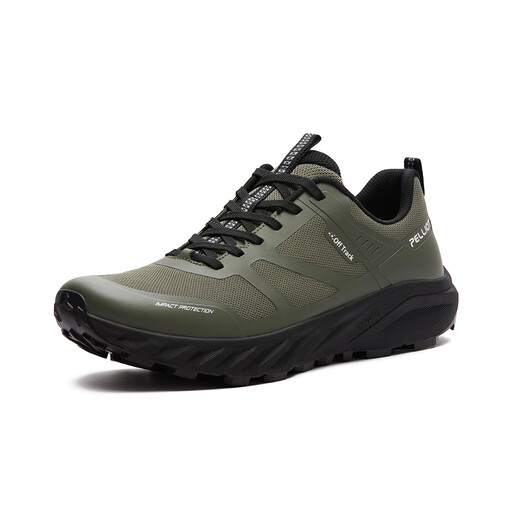
Why this product suits this type of runner: Designed for road running and longer training sessions, this model combines a lightweight mesh upper with an EVA midsole.
The product description gives details of the materials, midsole and size chart. This makes it easier to choose a pair to suit your route and foot length.
Sandwich mesh and EVA foam; according to the manufacturer, designed for the transition from roads to easier terrain.
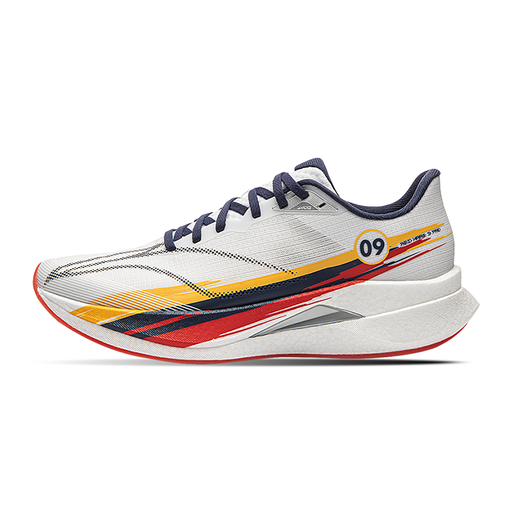
Why this product suits this type of runner: According to the manufacturer, this model is designed for training, fast sessions and longer distances. Its wider platform may appeal to runners who prefer a broader base.
The description specifies a wider last, a BOOM midsole, a TPU element and a GCR rubber sole, rather than relying on general claims about comfort.
Two-layer BOOM midsole, breathable woven upper and rocker geometry, according to the manufacturer.

Why this product suits this type of runner: This model is described as suitable for varied surfaces, from city paths to unpaved trails, making it a versatile choice for different training routes.
The mesh upper, EVA midsole and ROCKYTEC rubber outsole are all specified. This makes it easier to assess breathability, cushioning and tread.
Treaded sole for different surfaces; according to the manufacturer, available in versions for different foot shapes.
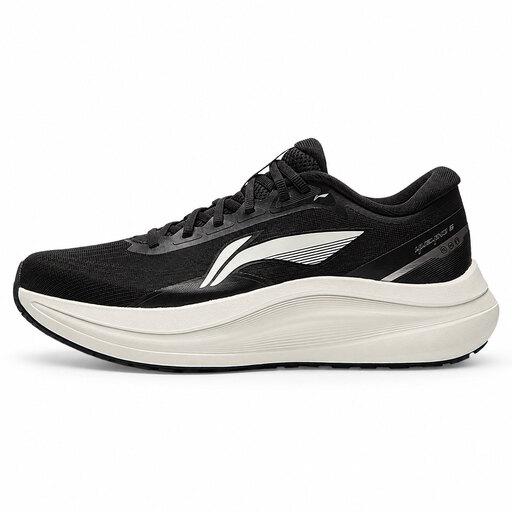
Why this product suits this type of runner: The stated wide toe box and broader heel may suit runners who need more room at the front of the foot but still prefer a supportive fit.
The fit is described in terms of the last, toe box and sizing guidance. The manufacturer suggests considering half a size larger if you have wider feet.
Full-length Tempo-Bounce midsole and PROBAR-LOC support, according to the product description; available in Black and Chalk Gray.
We’ve put together a complete, regularly updated list of products that meet these strict selection criteria and fully comply with the safety regulations in force in the EU.
How long your shoes last depends on how often you run, your body weight, the surface and how well you care for them. Clean running shoes with a damp cloth or mild soap, then leave them to dry at room temperature. Direct heat can put stress on materials and adhesives. Avoid machine-washing mesh models unless the manufacturer explicitly says it’s suitable.
Check regularly for noticeably worn tread, a midsole that looks permanently compressed or a heel that no longer feels secure. If you train frequently, alternating between two pairs can give each pair time to dry and let you spread their use across different surfaces.
For tarmac, look for models with a cushioned midsole, breathable upper and abrasion-resistant rubber outsole. A deep trail tread isn’t essential on smooth tarmac. The key factors are your running distance, fit and personal comfort.
Your toes shouldn’t touch the front of the shoe. A little room in the forefoot is helpful, while the heel should move as little as possible when you walk or run. Try shoes on with the socks you wear for training. Wide-fit running shoes are only suitable if the extra room doesn’t let your feet slide from side to side.
There’s no single mileage figure that applies to every model. Instead, check the cushioning, tread, seams and heel support. If a shoe is visibly misshapen, the outsole is wearing unevenly or it’s become noticeably less comfortable, it’s worth comparing it with a new pair.