
Lieferung heute & morgen

Qualitätsgarantie

Willkommens-Angebote freischalten: KOSTENLOSE Lieferung | Bis zu 80 % RABATT | Kostenlose 30-Tage-JoyPlus-Testphase
App herunterladen
Men’s running shoes should suit the surface, distance and shape of your feet. A shoe for road running has different requirements from men’s trail running shoes for woodland paths or an indoor shoe for quick changes of direction. If you focus only on colour, brand or an especially soft midsole, you could end up with a pair that becomes uncomfortable after a short time or doesn’t provide enough grip on the surface you plan to run on.
Lightweight running shoes can feel pleasantly responsive when you run. But low weight alone tells you little about fit, cushioning or durability. A thin upper may feel airier, for example, but can wear out more quickly with frequent use on gravel. What matters is the combination of weight, materials and outsole.
Cushioned running shoes aren’t equally suited to everyone or every route. A soft midsole may feel comfortable on tarmac, while uneven ground calls for greater lateral stability. For long distances, check more than just the cushioning: heel support and stability matter too.
EU shoe size 43 can vary depending on the last, toe box and manufacturer. The internal length alone isn’t enough to go on, particularly if you have wider feet or wear thick running socks. Before buying, check the size chart, the stated foot length and any fit advice.
For road running, a flatter rubber outsole with an even tread is usually sufficient. On woodland paths, wet ground or loose sand, all-terrain running shoes with more pronounced tread are a better choice. When choosing slip-resistant running shoes, check the stated outsole material and tread design rather than relying on marketing terms alone.
Basketball has different requirements. Indoor and outdoor basketball shoes need a grippy, abrasion-resistant outsole and support for lateral movements. Men’s basketball shoes are therefore no direct substitute for road running shoes.
EVA foam is often used in midsoles. Depending on its construction, it affects energy return, weight and feel underfoot. A longer cushioning zone may feel more even on flat surfaces; on trails, a stable platform is also important. Don’t assume that claims about injury prevention apply based on general product promises alone.
Mesh and woven fabrics are used in breathable sports shoes because they can allow air to circulate. Depending on their construction, TPU or polyurethane reinforcements can improve shape retention and durability. Check the following:
The shoes in the selection below have a specific size listed for running shoes EU 43. Even so, check the size chart for the individual model before buying.
The selection below covers men’s running shoes and a basketball shoe, grouped by intended use. The details are based on the individual product descriptions, material information and size details.

Why this product suits this profile: This model combines a lightweight mesh and woven upper with an EVA midsole. It’s a good option if you’re looking for a versatile shoe for roads, park paths and easy trail sections.
The product description lists the materials, midsole, outsole and measurements for EU 43. This makes it easier to choose based on intended use and foot length, rather than weight alone.
Sandwich mesh, highly responsive EVA foam and a ROCKYTEC rubber outsole; according to the size chart, EU 43 fits a foot length of 265 mm.
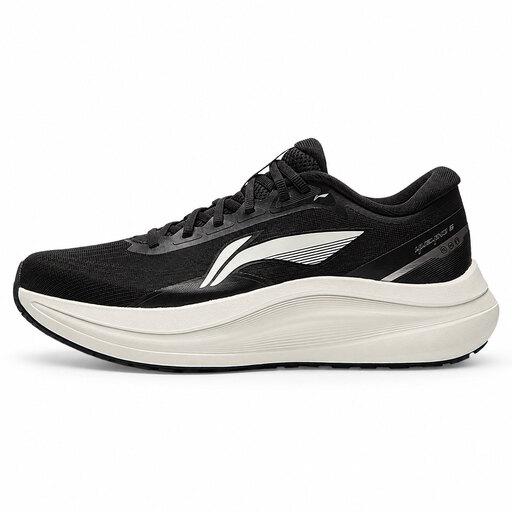
Why this product suits this profile: This design is aimed at runners looking for defined heel guidance, a full-length Tempo-Bounce midsole and a roomier toe box.
The description makes clear that the shoe has a more supportive, close-fitting design. This helps you check whether the fit is right for the width of your feet.
Full-length Tempo-Bounce midsole, heel widened by 2 mm, PROBAR-LOC support and zoned rubber outsole.
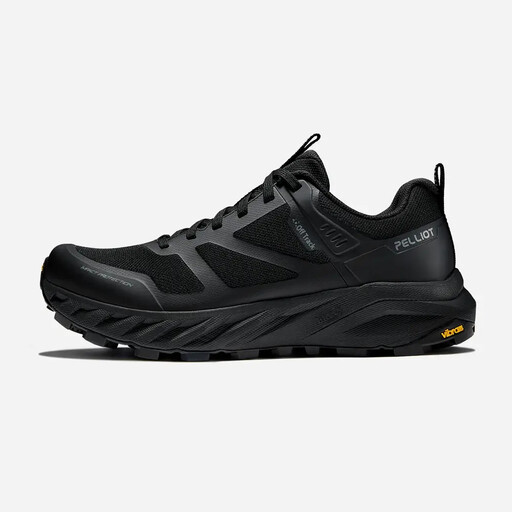
Why this product suits this profile: This black trail shoe is designed for changing surfaces. It’s suited to runners who switch between surfaced paths, woodland trails and uneven terrain.
The ROCKYTEC outsole and the robust construction described help address the risk of using a road running shoe on loose or wet ground.
Breathable sandwich mesh, an EVA midsole and a patterned, abrasion-resistant rubber outsole for different surfaces.
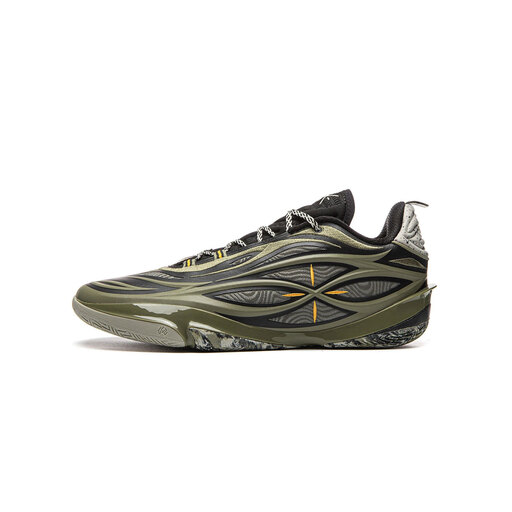
Why this product suits this profile: This model is designed for dynamic movement indoors and outdoors, making it a separate option for basketball players rather than a shoe for conventional road running.
Keeping this choice separate helps prevent you from using a running shoe with a linear roll-through for quick stops, jumps and changes of direction on court.
TPU construction with a carbon-fibre plate, plus GCU rubber in the forefoot and TUFF-RB rubber in the heel, according to the product description.
We’ve put together a complete, regularly updated list of products that meet these strict selection criteria and the safety regulations in force in the EU.
The actual lifespan depends on how often you run, your body weight, the surface, the weather and how well you care for your shoes. To help them last longer:
For long-distance running shoes, look for a toe box that suits your foot shape, sufficient cushioning, secure heel support and a breathable upper. The best combination depends on your running style and the surface. Before taking on a long run, wear new shoes for shorter sessions first.
Measure your foot length while standing and compare it with the size chart for the specific model. There should be some room between your longest toe and the front of the shoe as your foot rolls forwards. If you have wide feet, a model with a wider toe box or going up half a size may work, as long as the heel remains secure.
There’s no reliable one-size-fits-all timeframe. Look for visible cracks, noticeably worn tread, reduced stability or a lasting change in how the shoes feel when you run. If you often run on tarmac or rough surfaces, the outsole will generally wear more than it would with occasional training on softer paths.