
Lieferung heute & morgen

Qualitätsgarantie

Willkommens-Angebote freischalten: KOSTENLOSE Lieferung | Bis zu 80 % RABATT | Kostenlose 30-Tage-JoyPlus-Testphase
App herunterladen
Anyone looking to buy men’s running shoes will find countless models featuring terms such as “High Rebound”, “stable platform” or “All-Terrain-Grip”. These descriptions refer to individual construction features, but they do not automatically indicate whether a shoe suits your running style, terrain or foot shape. What matters is the combination of intended use, fit, cushioning, weight and outsole.
Lightweight men’s running shoes can feel comfortable during faster training sessions. However, a highly pared-back construction may offer less room, support or protection over longer distances. For daily runs and high mileage, always consider weight alongside stability and the midsole.
Cushioned running shoes differ in their construction and firmness. A soft EVA or foam midsole may feel comfortable, while a firmer construction provides a more direct feel of the ground. Terms such as “energy return” or “shock absorption” are therefore no substitute for specific information about the materials, sole construction and personal fit.
Non-slip running shoes for asphalt do not necessarily need the same tread as men’s trail running shoes. On wet asphalt, contact area and rubber compound are important; on gravel, mud or rock, a more pronounced tread and abrasion-resistant materials are preferable. A road model may reach its limits more quickly off-road, while an aggressive trail tread can feel unnecessarily stiff on smooth asphalt.
Pay attention to the materials used and the complete sole construction:
The right level of cushioning depends on factors including body weight, running distance, pace and terrain. For marathon running shoes, it is also important that the fit does not put pressure on your toes or instep after prolonged use.
Stable running shoes may appeal to runners who prefer a broader base or more controlled torsion during longer runs. Check the following:
A wider platform is not automatically better for every foot. It should guide your foot without restricting its natural movement through excessive pressure.
With running shoes with a wide toe box, your toes should not be pressed together when standing or rolling through your stride. A small amount of room between your longest toe and the front of the shoe is useful. Measure both feet in the afternoon and compare the length with the size chart for the specific model.
Breathable running shoes are often made from mesh or woven textiles. This can promote air circulation and moisture management. TPU or polyurethane reinforcements can improve abrasion resistance, but may reduce flexibility depending on where they are positioned. It is therefore important to consider where the reinforcements are placed and whether the shoe creases when your foot rolls forwards.
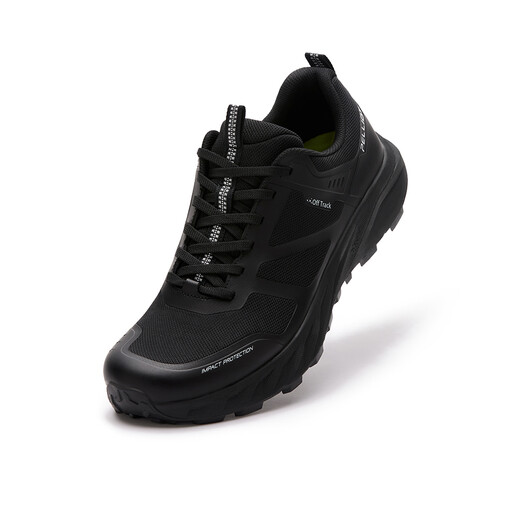
Why this product suits this profile: This model combines a sandwich-mesh upper with an EVA midsole and is designed for runs on roads and changing terrain.
The specifications clearly identify the upper, midsole and outsole instead of relying only on general comfort claims.
Mesh fabric, highly elastic EVA midsole and ROCKYTEC rubber outsole with tread for different surfaces.
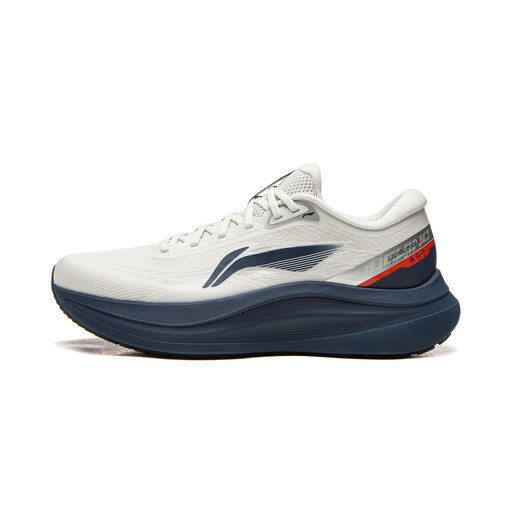
Why this product suits this profile: This construction is aimed at runners looking for more room around the toes, full-length cushioning and additional guidance around the heel.
The product specifications explicitly list the wide toe box, heel widened by 2 mm and PROBAR LOC.
Full-length Tempo-Bounce midsole, textile-polyurethane upper and zoned rubber outsole.
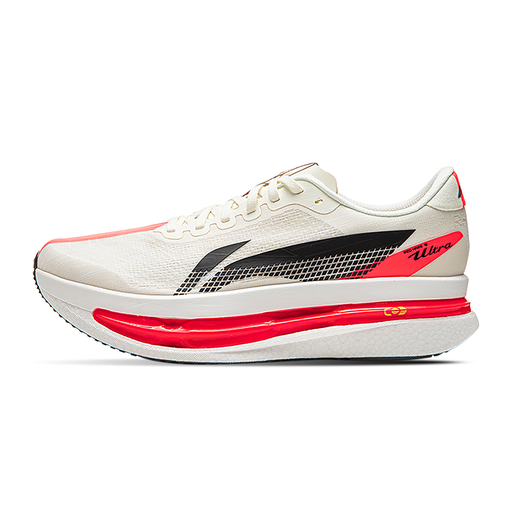
Why this product suits this profile: This shoe is designed for intense training sessions and longer road runs, combining low weight with a stabilising support plate.
The construction does not focus solely on a lightweight upper; it also specifies the midsole design, support plate and outsole.
Three-layer BOOM midsole, BOOM-FIBER fabric and GCU rubber outsole; this model has a closer, performance-focused fit.
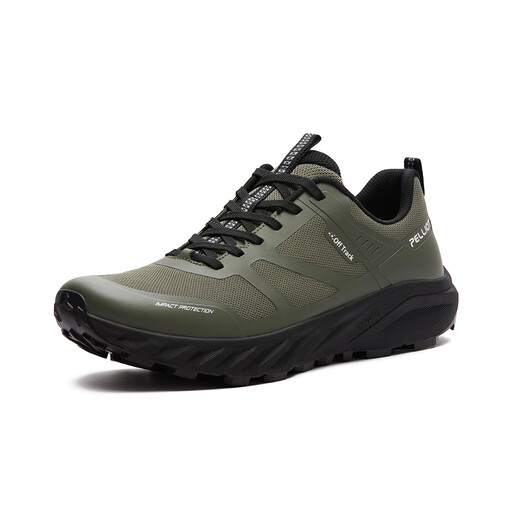
Why this product suits this profile: This model is designed for transitions from urban paths to less well-maintained tracks and offers both a standard and a slim fit.
The tread is selected based on the actual terrain: ROCKYTEC rubber and an abrasion-resistant upper are specified for changing conditions.
Sandwich mesh, highly elastic EVA midsole and rubber tread for wet rocks, mud and loose sand, according to the product description.
We have put together a complete, regularly updated list of products that fully meet these strict selection criteria and the safety regulations applicable in the EU.
Before buying, check the product page for the following information:
There is no reliable fixed lifespan that applies to every model. Mileage, body weight, running surface, technique and care all affect wear. Regularly check the tread, look for visible cracks in the midsole and watch for a persistent one-sided wear pattern. If cushioning has noticeably deteriorated or the fit has become unstable, consider replacing the shoes.
For long runs, suitable cushioning, sufficient toe room, a secure heel fit and a breathable upper are all important. Marathon running shoes should not be worn for the first time on race day. Test the fit during shorter training sessions first and watch for pressure points, rubbing or numbness.
Road and trail models can work on paved paths if the tread is not too aggressive and the midsole is sufficiently flexible. For predominantly wet, rocky or muddy paths, non-slip running shoes with a suitable outsole tread are the more practical choice. If you run almost exclusively on asphalt, a dedicated road tread will often be the better option.