
Lieferung heute & morgen

Qualitätsgarantie

Willkommens-Angebote freischalten: KOSTENLOSE Lieferung | Bis zu 80 % RABATT | Kostenlose 30-Tage-JoyPlus-Testphase
App herunterladen
Whether you’re running through the city park every day, covering long distances on tarmac or tackling challenging woodland trails, men's running shoes need to suit the terrain, your foot shape and your running style. But many buyers don’t get caught out by the price – it’s the details they overlook.
Lightweight running shoes can feel responsive and comfortable during speed sessions. But some models may not offer enough room in the toe box or the right level of cushioning for long runs. If you focus only on weight, you could overlook fit and stability.
Claims such as “more energy return”, “improved grip” or “maximum breathability” often refer to a manufacturer’s own comparisons. Without a standardised testing method, these figures can’t easily be compared across brands. Look instead for specific details about the midsole, outsole, upper, last shape and sizing.
A flat sole can feel smooth on tarmac, but may offer less grip on wet ground, gravel or soft woodland trails. Conversely, a pronounced trail tread can feel unnecessarily stiff on flat roads. So decide where you plan to run before you buy.
The midsole affects how a shoe feels when your foot lands and rolls forwards. EVA foam is often used to combine cushioning with rebound. More cushioning doesn’t always mean greater comfort: some runners prefer a more responsive feel for faster sessions, while a more cushioned design may be a better choice for long-distance running shoes.
When choosing cushioned running shoes, buyers should also consider the width of the platform. A wider base can feel more stable underfoot, but it’s no substitute for an individual gait analysis and isn’t a medical guarantee.
Stable running shoes should hold your foot securely without squeezing your toes or midfoot. Look for:
Models with a wider toe box may suit runners who prefer more room for their toes. If you have narrow feet, however, a very roomy last could allow your foot to move around inside the shoe.
Breathable running shoes often use mesh or woven materials. These designs can help air circulate, but the level of protection from abrasion and wet conditions varies. A lightweight textile upper is often enough for running in town. For trail running, extra reinforcement around the toes and sides can be useful.
The outsole should suit the terrain. For men's trail running shoes, tread depth, rubber compound and side support all matter. On tarmac, a smooth contact with the ground and a moderate tread are more important. Treat claims such as “slip-resistant” as a product feature, not a guarantee of grip in all weather.
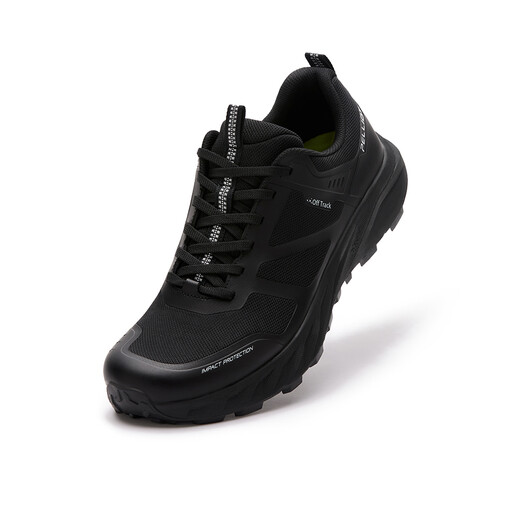
Why this product suits this type of runner: This model combines a lightweight mesh and woven upper with an EVA midsole. According to the product details, it’s suited to routes that mix roads with easy paths.
The product description specifies the materials, midsole and size range. This makes it easier to choose a shoe that suits the terrain and your foot length.
Sandwich mesh, highly elastic EVA midsole, and standard or slim fit options.
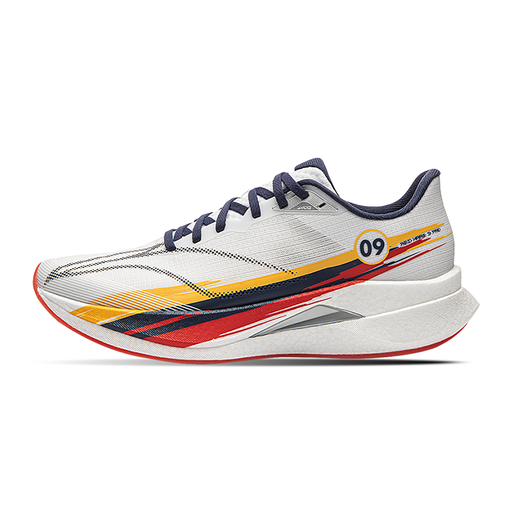
Why this product suits this type of runner: According to the manufacturer, this shoe is designed for runners looking for a wider platform, a woven BOOM-FIBER upper and a structured midsole for training and longer distances.
The product details clearly specify the wider fit and materials used. This makes it easier to check whether the shoe offers the toe room you want.
Wider platform, dual-layer BOOM midsole, rocker geometry and GCR rubber outsole, according to the product description.
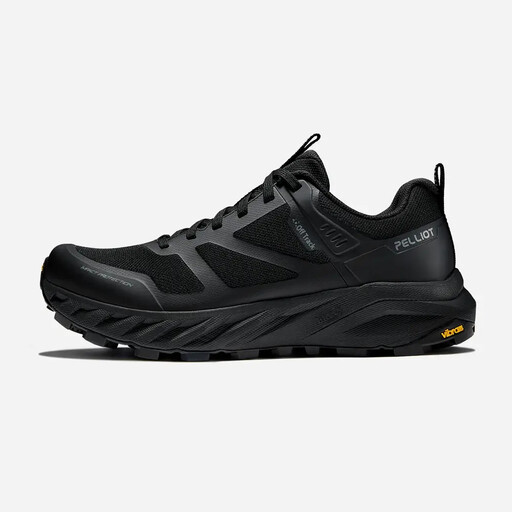
Why this product suits this type of runner: This model is designed for running on uneven trails, combining an abrasion-resistant upper with a ROCKYTEC outsole featuring a pronounced tread.
The distinct trail tread makes its intended use clearer than a road shoe with a smooth sole. Even so, check that it’s suitable for the specific terrain before buying.
Sandwich mesh, EVA midsole and ROCKYTEC rubber with a tread designed for changing trail surfaces, according to the product details.
We’ve put together a complete, regularly updated list of products that meet these strict selection criteria and fully comply with the safety regulations in force in the EU.
For the best results, measure both feet in the evening and use the longer foot as your guide. If you have wider feet or wear thicker socks, going half a size up may be a good idea with LI-NING models, which have a narrower racing fit. PELLIOT models are described as true to size, but always check the relevant size chart.
After a run, let your running shoes air-dry rather than leaving them on a radiator. Remove any heavy dirt with a damp cloth. If you notice visible cracks, a badly flattened tread or a significant change in cushioning, consider replacing them. There’s no reliable mileage figure that applies to every model and runner: weight, terrain, running technique and care all affect wear.
There should be about a thumb’s width between your longest toe and the end of the shoe. Your feet swell during longer runs. At the same time, your heel shouldn’t slip and your midfoot should feel secure.
It depends on the design. Racing shoes can be lighter and more responsive, while training shoes are often designed for comfort and versatility. For many runners, it’s more practical to have a training shoe and a separate pair for races.
Don’t rely on the calendar alone. Check the outsole, midsole and upper regularly. A badly worn tread, noticeably reduced cushioning or a shoe that looks unevenly misshapen are all signs it may be time for a new pair.