
Lieferung heute & morgen

Qualitätsgarantie

Willkommens-Angebote freischalten: KOSTENLOSE Lieferung | Bis zu 80 % RABATT | Kostenlose 30-Tage-JoyPlus-Testphase
App herunterladen
Anyone looking to buy men’s running shoes will find countless models for roads, training and outdoor use. Terms such as “lightweight”, “stable” and “maximum cushioning” may sound clear-cut, but they do not always describe the intended use. What matters is the construction of the midsole, the support around the heel, the upper material and the fit.
Lightweight running shoes can feel pleasantly responsive during training. However, less material does not automatically mean suitable cushioning or sufficient support. For longer distances, the overall construction is therefore important: stack height, foam, heel guidance and flexibility must suit your running style and the surface.
A rubber outsole may grip reliably on dry tarmac, while wet woodland paths, loose rock or mud require a different tread pattern. With trail running shoes, tread spacing, rubber compound and sole construction are therefore key. A road shoe is not automatically suitable for demanding trails.
The same EU size can fit differently depending on the brand and the shape of the last. Especially with a wide toe box, you should check not only the length but also the available room in the forefoot. When trying shoes on, your toes should not touch the front, while the midfoot should still be held securely.
Cushioned running shoes generally use EVA foam, proprietary foams or multi-layer midsoles. A softer set-up may feel comfortable, while a firmer construction provides more direct contact with the ground. For running shoes for long distances, sole thickness is not the only deciding factor. It is also important that the foot remains stable and well guided through repeated steps.
Look out for the following details:
Stable running shoes can provide greater support through a wider platform, reinforced side elements or a purpose-designed heel construction. This is particularly relevant if you train for long periods, frequently run on changing surfaces or prefer a secure, structured feel. However, additional support should not be interpreted as having a medical benefit.
The Li-Ning YUEYING 6 is described as featuring, among other things, a heel widened by 2 mm, a PROBAR-LOC element and a HEEL-LOC construction. These features describe the shoe’s mechanical support; they do not promise injury prevention.
Breathable running shoes often feature mesh or woven uppers. These materials can support airflow, but they are not automatically waterproof. For the weather conditions in Germany, it is worth checking the reinforcements, tongue construction and care instructions.
For the outsole, the material and tread pattern are crucial. Rubber zones with different structures can be suitable for tarmac, park paths or firm natural ground. For wet and loose surfaces, the specific tread should match your intended use.
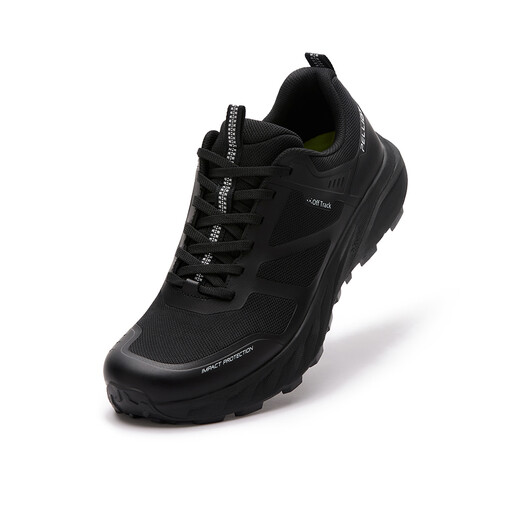
Why this product matches the profile: This model combines lightweight mesh fabric with an EVA midsole, making it suitable for first runs on roads, park paths and easy transitions onto trails.
The product details specify concrete materials, sizes and care instructions rather than making only general claims about comfort.
Sandwich mesh, highly elastic EVA midsole and ROCKYTEC rubber outsole, according to the product description.
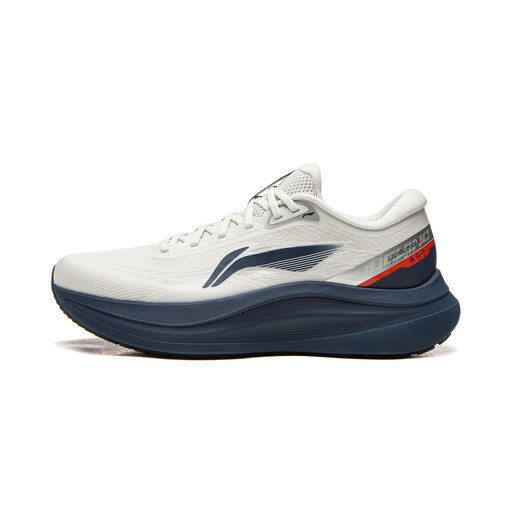
Why this product matches the profile: For runners looking for a roomier fit, full-length cushioning and defined heel guidance for road running and training.
The wider toe box and stated enlarged heel address two common fit problems: pressure in the forefoot and a loose hold.
Full-length Tempo-Bounce midsole, textile and PU upper, plus zoned rubber traction.
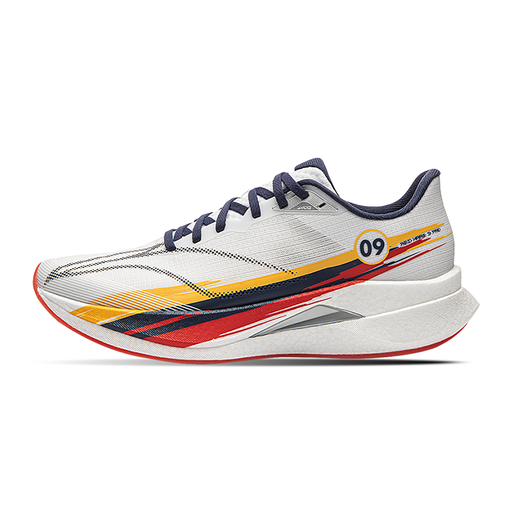
Why this product matches the profile: This model is aimed at runners with a regular mileage who prefer a wider platform, a woven upper and a rolling geometry for training or longer sessions.
The wide platform and stated ventilation structure make the construction easier to understand than a weight figure alone.
Two-layer BOOM foam sole, GCR rubber and woven BOOM-FIBER upper, according to the manufacturer’s specifications.
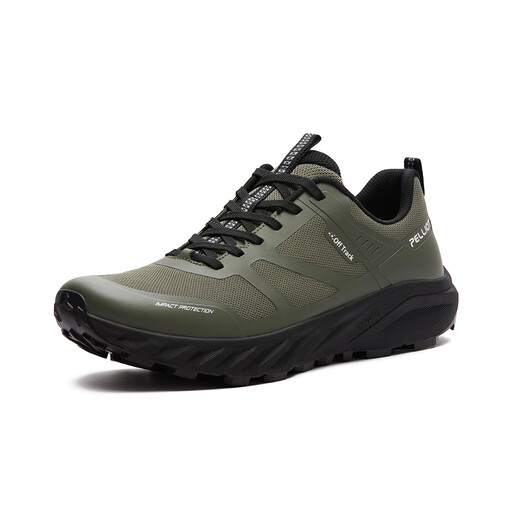
Why this product matches the profile: Suitable for runners looking for a versatile shoe described with a mesh upper, EVA cushioning and the flexibility to move between paved paths and light terrain.
The choice between standard and narrow fits helps you avoid a construction that is too tight or too loose.
Sandwich mesh, EVA foam and ROCKYTEC rubber sole, with stated grip and abrasion resistance.
We have put together a complete, regularly updated list of products that fully meet these strict selection criteria and the safety regulations applicable in the EU.
Where possible, try on running shoes with the socks you plan to wear for training. There should be some room for movement between your longest toe and the front of the shoe. At the same time, your heel should not slip out noticeably when walking or gently rolling through your stride.
After running, air your shoes out and remove dirt with a damp cloth or a soft brush. Many models should not be put in the washing machine or tumble dryer. Excessive heat can damage adhesives, foam and the upper material. PELLIOT recommends hand-washing with mild soap and cold water; Li-Ning advises wiping the shoes clean and air-drying them away from direct sunlight.
Lifespan depends on your body weight, running technique, the surface, training volume and care. Regularly check the outsole tread, visible cracks and foam that has become permanently compressed. If the fit changes or support decreases, replacing the shoes is advisable, regardless of their external condition.
For longer distances, cushioning that suits your personal preference, secure heel hold and sufficient room in the forefoot are important. Lightweight running shoes may be suitable for speed sessions; for longer training runs, many people prefer a construction with slightly more cushioning and stability.
A trail model can work on short paved sections. However, deep lugs may feel less direct on tarmac and wear down more quickly. For regular road running, a road tread is generally more suitable; for mixed routes, the outsole should match the conditions you will actually encounter.