
Lieferung heute & morgen

Qualitätsgarantie

Willkommens-Angebote freischalten: KOSTENLOSE Lieferung | Bis zu 80 % RABATT | Kostenlose 30-Tage-JoyPlus-Testphase
App herunterladen
Whether you’re heading out for a morning run on the road, training for a marathon or swapping tarmac for woodland trails, men’s running shoes need to suit your feet, route and training load. Many buying decisions go wrong not because a shoe lacks features, but because its claims are misunderstood.
Lightweight running shoes can feel comfortably responsive during faster training sessions. But less material doesn’t automatically mean enough protection, support or durability. For longer runs, it’s worth considering the midsole and outsole construction as well as the weight.
A mesh upper can improve airflow. But if the shoe is too tight around the forefoot, it can cause pressure points whatever the upper is made from. Feet can also swell slightly during longer runs, so leave a little room for movement between your toes and the front of the shoe.
A soft midsole can feel comfortable, but it won’t necessarily provide secure support when you change direction or run on uneven ground. Conversely, some runners may find stable running shoes too firm or heavy. What matters is how the midsole, heel hold, last shape and outsole work together.
Measure both feet in the afternoon if possible, then compare their length with the relevant manufacturer’s size guide. Shoe sizes can vary between brands and lasts. If you have wider feet, running shoes with a wide toe box or a wider-fit version may be a good option.
Look out for the following:
A snug racing shoe won’t suit every foot. For longer runs, a little more room in the forefoot may be helpful.
When considering running shoe cushioning, the material, thickness and shape of the midsole matter more than marketing terms alone. EVA foam is widely used, while brand-specific foam blends can vary in weight, energy return and firmness.
For beginners and regular road runners, a balanced mix of comfort and a secure feel underfoot is often more practical than an extreme racing profile. Marathon running shoes and faster training models may, on the other hand, be lighter and have a more pronounced rocker shape. Your own feel should take priority over technical buzzwords.
Road running shoes need a tread that provides enough contact on tarmac and paved paths. For woodland trails, gravel and wet natural surfaces, trail running shoes with more structured rubber and a deeper tread are a better choice.
Check the product description for:
A road shoe may lose traction on loose ground. By contrast, a deep trail tread can feel less responsive on smooth tarmac.

Why this product suits this runner: Designed for the transition from paved paths to easier terrain, this model is versatile enough for everyday wear and training.
The choice isn’t based on weight alone: sandwich mesh, an EVA midsole and a ROCKYTEC outsole each provide breathability, cushioning and grip.
Lightweight upper, highly elastic EVA midsole and a rubber outsole described as suitable for different surfaces.
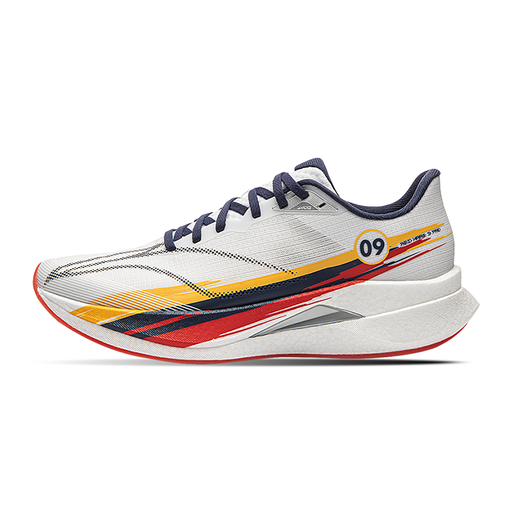
Why this product suits this runner: Designed for runners who value a roomier platform and a structured construction for training and faster sessions.
The product details mention a wider base and roomier forefoot. This puts fit assessment on an equal footing with weight and energy return.
Dual-layer BOOM midsole, woven upper and GCR rubber outsole with a patterned tread area.
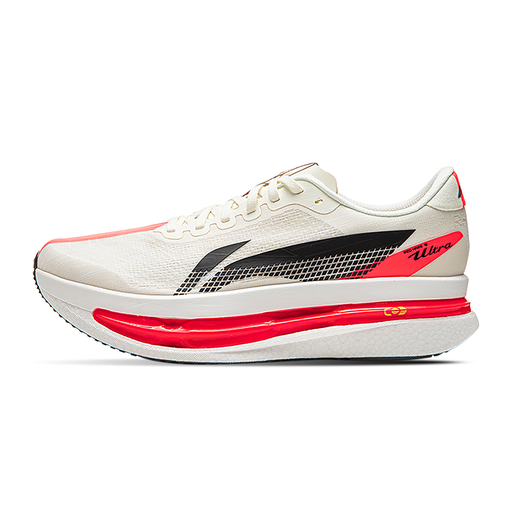
Why this product suits this runner: Designed for road races, intensive training sessions and longer distances, this model may appeal to runners looking for a performance-focused shoe.
Rather than focusing on low weight alone, the description specifies several distinct components: a BOOM fibre upper, three-layer midsole, fibreglass plate and GCU outsole.
Three-layer Super-BOOM construction, breathable 3D mesh and a GCU rubber outsole for dry and wet surfaces, according to the product details.
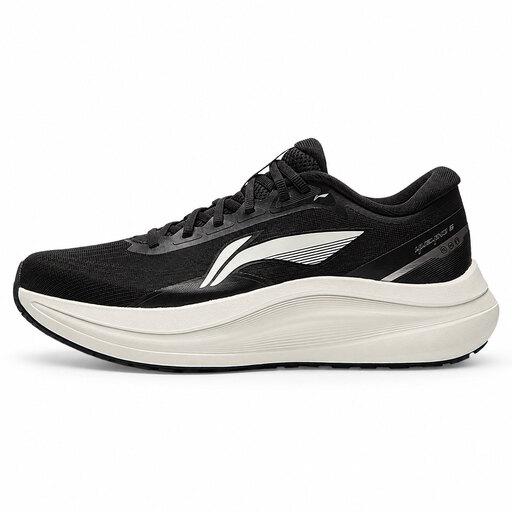
Why this product suits this runner: The stated wider toe area and stable heel construction suit runners who prefer a less snug fit for everyday sessions.
The description specifically mentions the last, wider heel area and fit. This makes it easier to assess the shoe as more than simply a soft-cushioned model.
Full-length Tempo-Bounce midsole, optimised last and rubber outsole with zoned traction.
We’ve put together a complete, regularly updated list of products that meet these strict selection criteria and the safety regulations in force in the EU.
How long men’s running shoes last depends on mileage, body weight, terrain, running style and materials. There’s no reliable mileage figure that applies to every model. Check regularly:
After running in wet conditions, let your shoes dry at room temperature. Direct heat can damage adhesives and foam. If possible, remove the insole and follow the manufacturer’s care instructions. The models listed aren’t designed to be machine-washed.
There should be a little room between your longest toe and the front of the shoe. The shoe shouldn’t press on your toes as you roll through your stride, but your foot should feel secure at the midfoot and heel. If you have wider feet, a wide toe box or going up half a size may be worth considering.
It depends on the terrain, how often you train and the materials used. The condition of the tread, midsole and upper matters more than the shoe’s age. Replace your shoes if you notice visible wear or a change in how they feel when you run.
That depends on the construction and how well the shoe fits you. A lightweight shoe can feel comfortable during faster sessions, but weight alone doesn’t tell you how much cushioning or support it offers, or whether it’s suitable for long distances. If you’re training for a marathon, consider all these features together.