
Lieferung heute & morgen

Qualitätsgarantie

Willkommens-Angebote freischalten: KOSTENLOSE Lieferung | Bis zu 80 % RABATT | Kostenlose 30-Tage-JoyPlus-Testphase
App herunterladen
If you’re looking to buy men’s running shoes, you’ll find plenty of models for road running, training, long distances and trail running. But labels such as “lightweight”, “stable” or “maximum cushioning” aren’t enough on their own to help you choose. What matters is whether the shoe’s construction, fit and outsole suit your running style and the terrain.
Lightweight running shoes can feel pleasantly responsive during speed sessions. For longer distances or mixed terrain, however, cushioning, support and a suitable grip pattern also matter. A very lightweight shoe isn’t automatically suitable for marathon training or trail running.
A wide last, reinforced heel construction or stability plate can each offer different benefits. So it’s worth checking which part of the shoe provides stability: the platform, heel hold, torsional control or outsole rubber compound.
EU sizes vary between brands and models. Running shoes should leave enough room for your toes, while holding your heel securely in place. The product description and any size guide are more useful than simply choosing the size you usually wear. Your feet can also swell slightly on longer runs, so bear this in mind when trying on shoes, especially if you wear thicker running socks.
For road running and long training sessions, cushioned running shoes with a suitably substantial midsole are often a good choice. EVA foam and brand-specific foam constructions affect the shoe’s ride, weight and energy return. A soft midsole won’t suit every runner: if you prefer a more direct feel underfoot, you may find a firmer construction more comfortable.
When choosing models for marathons and long distances, it’s also worth considering the geometry. A pronounced rocker or curved sole can change the transition from heel to forefoot. The best way to find out whether it feels natural is to try the shoes on briefly with the running socks you plan to wear.
Stable running shoes need more than just a firm outer side. A secure heel hold, a sufficiently wide platform and a fit without pressure points all matter. Running shoes with a wide toe box give your toes more room and may suit runners with wider feet or anyone who prefers a less snug fit around the forefoot.
According to the LI-NING YUEYING 6 product description, the model features a heel that is 2 mm wider, a PROBAR-LOC construction and an optimised last. These are specific design features, but they don’t replace checking the fit for yourself. If you’re between sizes, consult the size guide and consider the thickness of the socks you plan to wear.
Breathable running shoes are often made from mesh or woven textiles. These materials can help air circulate, but they aren’t necessarily waterproof. If you often run in the rain, check whether the shoe has a membrane or simply a breathable upper.
The outsole needs to suit the surface you run on. For tarmac, flatter, flexible rubber zones are usually enough. On woodland paths, wet ground or loose surfaces, running shoes with good grip and a more pronounced tread are a better choice. Men’s trail running shoes should also have a hard-wearing upper and offer enough protection from stones and branches.

Why this product suits this type of runner: This model is designed for running on roads and paved paths, as well as for occasional stretches on easier countryside trails. Its mesh and woven upper is designed to promote airflow.
The product description specifies the materials, an EVA midsole and a size guide. This makes it easier to choose a shoe that suits your intended use and foot length.
High-elastic EVA midsole, sandwich mesh and ROCKYTEC rubber outsole, according to the product details.
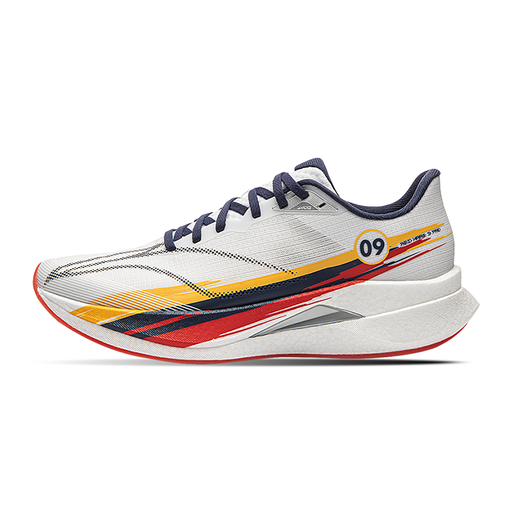
Why this product suits this type of runner: This model is aimed at runners looking for a wider platform, low weight and a design described as suitable for training and speed sessions.
The choice isn’t based on the word “lightweight” alone: the product details also specify a widened platform, a TPU plate, a BOOM midsole and a GCR outsole.
According to the manufacturer, LI-NING, the design features a two-layer BOOM midsole, a woven BOOM FIBER upper and a wider fit.
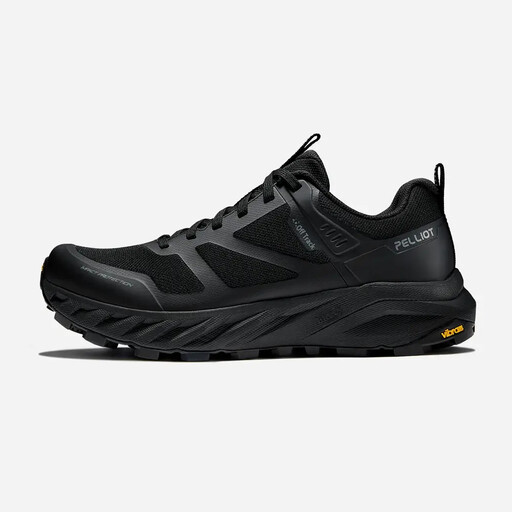
Why this product suits this type of runner: Designed for changing terrain, this model is worth considering for woodland paths, gravel and trail sections, provided its grip pattern suits the route.
Rather than relying on a road-running outsole for every surface, the product description specifies a ROCKYTEC rubber outsole and a more abrasion-resistant upper.
Mesh and woven upper, EVA midsole and a tread pattern designed for wet and loose surfaces, according to the product details.
We’ve put together a comprehensive, regularly updated list of products that meet these strict selection criteria and the safety regulations in force in the EU.
How long they last depends on your mileage, body weight, running surface, how well you care for them and the foam construction. Rather than focusing only on a set number of kilometres, check for visible creasing in the foam, unevenly worn tread or reduced heel hold. If you train regularly, it’s worth replacing your shoes when these signs start to noticeably affect how they feel to run in.
For long distances, look for models with enough cushioning, secure heel hold and a fit that doesn’t create pressure points. If you have wide feet, choose a roomier toe box. Whether you prefer softer or more responsive men’s training shoes depends on how they feel to you and the surface you run on.
Many trail models can handle short stretches on tarmac. However, a deep tread may wear down more quickly on predominantly hard roads and feel less smooth underfoot. If you regularly switch between urban routes and countryside paths, choose a model suited to the proportion of each surface you run on and compare the outsoles carefully.