
Lieferung heute & morgen

Qualitätsgarantie

Willkommens-Angebote freischalten: KOSTENLOSE Lieferung | Bis zu 80 % RABATT | Kostenlose 30-Tage-JoyPlus-Testphase
App herunterladen
Men’s running shoes need to suit where you’ll wear them, your foot shape and the surface you run on. A marathon shoe is quite different from one designed for daily training runs, off-road paths or everyday wear. If you focus only on low weight or impressive-sounding cushioning claims, you can easily miss important details.
Claims such as “95% energy return” or “3 ms response time” sound precise, but they’re hard to assess without a standardised testing method. Treat figures like these as manufacturer claims. What matters more is whether the shoe’s design suits your pace, training volume and running style.
A highly responsive shoe may feel unfamiliar on a slow, steady run. Conversely, a comfort-focused model won’t necessarily provide the support you want for faster sessions.
Carbon running shoes and models with a fibreglass plate are designed to promote forward propulsion and a smooth roll-through. But a plate doesn’t automatically make a shoe right for every runner. It can create a stiffer feel underfoot and often takes some getting used to. For regular training runs, a more flexible road-running shoe is often more practical.
A narrow racing last can feel stable if you have narrow feet, but may cause pressure points if your feet are wider. The outsole matters too: a smooth road-running tread may be fine on wet tarmac, but it won’t offer the same grip on loose stones, mud or roots as a trail tread.
For long-distance running shoes, the midsole should balance cushioning, stability and weight. Lightweight men’s running shoes can be an advantage for faster runs, but they don’t automatically mean less impact. The key things to consider are:
If you’re considering men’s carbon-plated marathon shoes, try them out in training first. Don’t wait until race day to wear them.
Breathable running shoes often use mesh, woven textiles or sandwich materials. An airy design can feel comfortable in warm weather, but usually offers less protection from moisture and dirt. So check the following:
A sock-like collar can help the shoe feel secure. If your feet are sensitive, make sure there’s still enough room in the toe box.
Road-running shoes usually have a flatter tread and consistent ground contact. Men’s trail running shoes, on the other hand, need a grippier tread and a more durable upper. An all-terrain model may be a good choice for mixed routes that take in tarmac, park paths and easy woodland trails.
Also bear in mind that “non-slip” isn’t a blanket guarantee for every surface. Manufacturers’ grip claims usually relate to specific conditions. Wet rocks, leaves and mud can still be challenging.
EU sizes aren’t always directly comparable between brands. It’s best to measure your feet in the afternoon and allow for your running socks. For longer runs, there should be a little room for your toes to move between them and the front of the shoe. If a race-focused last feels tight, going up half a size may help, as long as your heel still feels secure.
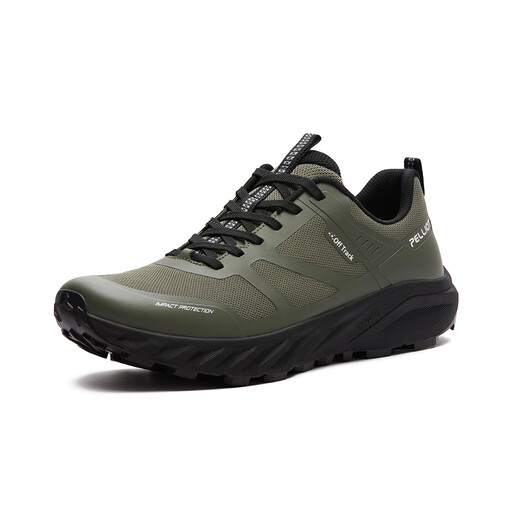
Why this product suits this profile: This model combines lightweight sandwich mesh with an EVA midsole, making it suitable for everyday road runs and for moving on to surfaced park paths and tracks.
The product description gives specific details about the materials, midsole, sizes and care instructions, rather than relying on a vague promise of comfort.
Mesh upper, highly elastic EVA midsole and ROCKYTEC rubber outsole, according to the product details.
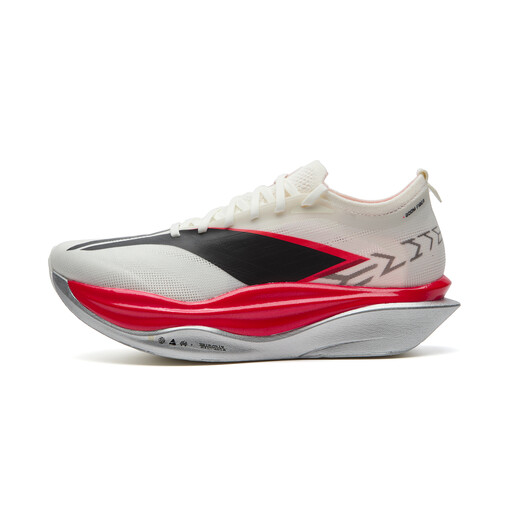
Why this product suits this profile: For runners looking for a clearly defined racing shoe with a carbon plate, a close fit and a design made for road running.
The carbon plate is listed as a specific component. The race-focused fit is clearly described and should be tested in training before a marathon.
T1000 carbon-fibre plate, BOOM-FIBER upper and GCU outsole; energy return and grip claims come from the manufacturer.
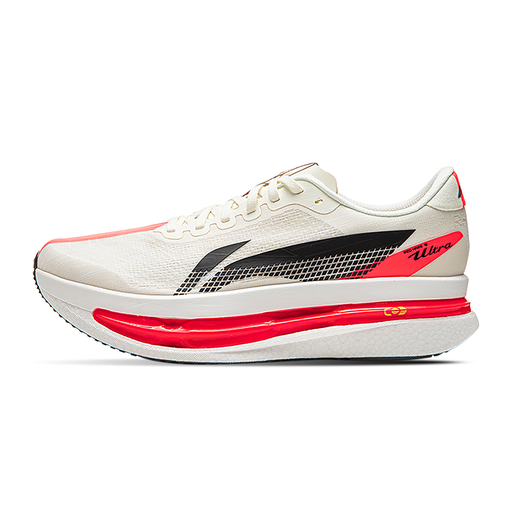
Why this product suits this profile: According to the description, this model is designed for intensive training sessions and longer runs, combining a three-layer midsole with a fibreglass plate.
The plate, midsole construction, upper and outsole are all described separately. This makes it easier to assess how well the shoe matches your training needs.
Three-layer midsole, BOOM-FIBER mesh and GCU outsole, according to the product description; the fit is described as close and performance-focused.
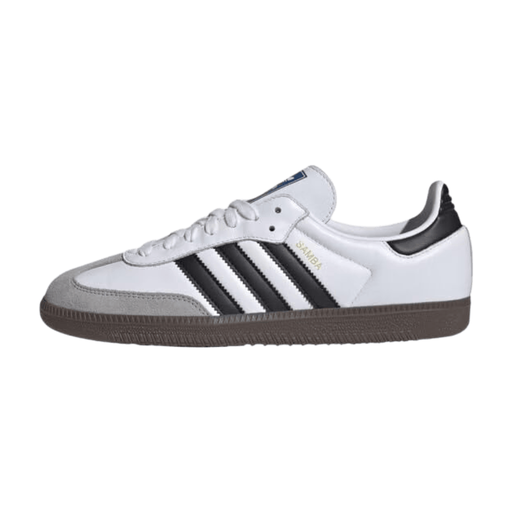
Why this product suits this profile: The adidas Samba OG for men is a versatile trainer for everyday wear and streetwear, but it isn’t a substitute for technical men’s running shoes.
Making the distinction clear helps you avoid the common mistake of wearing a flat casual trainer for regular long-distance runs.
Suede upper, rubber sole and a size chart with foot-length measurements, according to the product description.
We’ve put together a complete, regularly updated list of products that meet these strict selection criteria and fully comply with the safety regulations in force in the EU.
How long a shoe lasts depends on your body weight, running surface, training volume and the foam material. It isn’t possible to give a reliable mileage figure that applies to every model. Check your shoes regularly for:
After a run, leave your shoes to air-dry. Direct heat from a radiator can damage adhesives and materials. Most models in this selection shouldn’t be machine-washed; a damp cloth and gentle hand-washing are kinder to the materials.
There’s no one-size-fits-all lifespan. How often you run, the surface and visible wear all matter. If the cushioning, fit or tread has noticeably deteriorated, replace the shoes regardless of when you bought them.
They can be used, but they take some getting used to and won’t suit every running style. Beginners are better off starting with a stable, comfortable training shoe and introducing a carbon shoe gradually for faster sessions.
Look for suitable cushioning, enough room for your toes, a secure heel fit and an upper with adequate ventilation. Road-running shoes are a good choice for tarmac; for woodland paths and mixed terrain, models with a grippier outsole are more practical.