
Lieferung heute & morgen

Qualitätsgarantie

Willkommens-Angebote freischalten: KOSTENLOSE Lieferung | Bis zu 80 % RABATT | Kostenlose 30-Tage-JoyPlus-Testphase
App herunterladen
The hunt for the right men's running shoes doesn’t always end in a great purchase. Many models boast low weight, high energy return or especially stable construction. Such claims only help if they match your running style, terrain and feet. If you focus solely on an eye-catching cushioning system or a low price, you might later be unhappy with pressure points, insufficient support or fast material wear.
Lightweight running shoes can feel pleasingly direct during faster sessions. For long training runs, it also matters whether the midsole remains comfortable enough and the foot is guided securely. A very stripped-back design isn’t right for every runner. So don’t just check the weight—look at stack height, flexibility and stability too.
Cushioned running shoes vary significantly in feel. A soft midsole can be comfortable at easy pace, while a firmer construction gives more feedback during changes of direction or at higher speeds. Marketing claims about energy return shouldn’t be considered in isolation. What counts is whether the geometry suits your intended use.
Running shoes with a wide toe box give your forefoot more room. But if the shoe is too wide overall, your heel can slip as you roll through. Look for a well-fitting heel counter, sensible lacing and ample space in front of the toes. There should be roughly a thumb’s width between your longest toe and the shoe’s tip. It’s a good idea to try them on with the running socks you’ll wear later.
The midsole affects your transition, comfort and ground feel. EVA foam is common in many men’s training shoes. Multi-layer foam setups can combine different qualities, such as a soft landing with a more stable base. A rocker geometry—i.e. a more rounded sole shape—supports a smooth transition from heel to forefoot.
For long-distance running shoes, pay special attention to your personal comfort over prolonged efforts. For marathon running shoes or racing running shoes, low weight, a snappy transition and a firmer, more guided feel may be more important. Your target pace and planned distance influence the choice far more than a single marketing metric.
Stability running shoes don’t necessarily need rigid corrective elements. A broadened sole platform, a reinforced heel construction or a torsion-resistant plate can also make a shoe more controlled. According to product information from LI-NING, certain models feature a wider base and additional support elements. These details describe the construction but don’t guarantee a specific running technique or freedom from issues.
If you’re unsure about your movement pattern, prioritise fit. A shoe may guide your foot without squeezing your toes or midfoot.
Breathable running shoes are often made from mesh or woven textiles. Such materials allow air and moisture to circulate more easily, but depending on the build they offer varying levels of protection against abrasion and wet conditions. For tarmac, a flatter rubber pattern is usually adequate. Trail running shoes, on the other hand, need an outsole with a more pronounced tread and a rubber compound that provides enough grip on loose ground.
For mixed routes, models that bridge the gap from road to woodland or gravel paths are worth a look. On wet rocks, mud or deep sand, caution is still essential: no tread pattern replaces an adjusted speed and careful footing.

Why this product fits the profile: This model is designed for road runs and transitioning to hard-packed paths. The size range in this version goes up to EU 45; for narrower feet, a Slim version is mentioned in the product description.
The sandwich mesh and woven construction combine ventilation with an abrasion-resistant finish. Even so, make your selection based on foot length rather than EU size alone.
EVA midsole with rebound and a ROCKYTEC rubber outsole, according to the product details; suitable for road-to-trail routes.
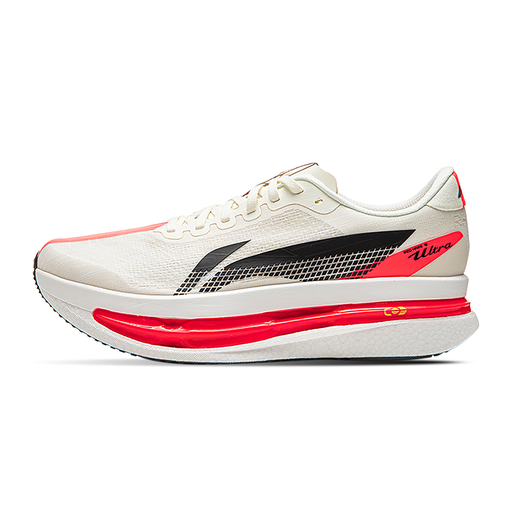
Why this product fits the profile: According to the product description, this model targets runners doing intensive sessions and long distances. A three-layer midsole construction and a glass-fibre composite plate are designed for dynamic transitions and firm foot guidance.
The selection isn’t limited to the buzzword “light”: upper, midsole, plate and outsole are described as a cohesive construction. The narrow fit should be considered before purchase.
BOOM fibre upper with ventilation structure and a GCU outsole with wet and dry tread, according to the product information.
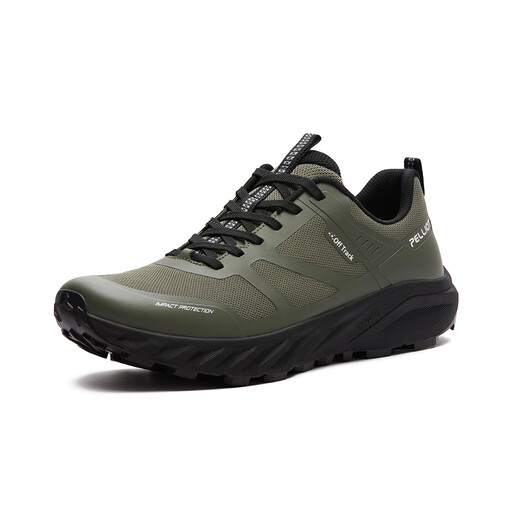
Why this product fits the profile: This model is intended for longer road runs and varied terrain. The combination of mesh, an EVA midsole and a patterned rubber outsole can appeal to runners who aren’t exclusively on tarmac.
Instead of a pure road tread, usage is indicated from city paths to natural trails. Still check whether your actual route is predominantly paved, sandy or rocky.
Breathable sandwich mesh and a highly elastic EVA midsole; ROCKYTEC rubber outsole for varied surfaces, according to the product description.
We’ve compiled a comprehensive, continuously updated list of products that fully meet these strict selection criteria and the safety regulations in force in the EU.
Running shoes shouldn’t hurt or press hard in specific spots on first try-on. Pay attention to:
After your run, let shoes dry in the open air. Direct heat, harsh cleaning agents and the washing machine can damage adhesives, foam and textiles. If you train often, alternate between two pairs so the materials can dry and decompress between sessions. There’s no fixed mileage limit. Visibly compressed foam, uneven wear or declining support are more practical indicators that it’s time to replace them.
Price depends on factors such as foam, plate construction, upper and outsole. The key isn’t price alone, but whether the shoe suits your distance, terrain and foot shape. A more affordable training model may be enough for regular easy runs, while specialist racing shoes prioritise other qualities.
Service life depends on body weight, running surface, training volume, running technique and care. Check the tread and midsole regularly. If the shoe shows visible one-sided wear or feels unstable, it should be reassessed regardless of its outward condition.
Many trail running shoes can handle short stretches of asphalt. Over long road sections, a coarse tread often feels less direct and can wear out faster. For predominantly paved routes, road models are usually the better choice; if your terrain changes regularly, a versatile road-to-trail shoe can make sense.