
Lieferung heute & morgen

Qualitätsgarantie

Willkommens-Angebote freischalten: KOSTENLOSE Lieferung | Bis zu 80 % RABATT | Kostenlose 30-Tage-JoyPlus-Testphase
App herunterladen
Anyone looking to buy men's running shoes will find numerous models making similar promises: lightweight, breathable, stable or particularly well cushioned. However, these terms are only useful when they match your intended use and foot shape. A shoe for running on tarmac has different requirements from a trail running shoe; a model for short training sessions is not automatically suitable for long walks.
The following selection criteria will help you assess marketing claims objectively and avoid unsuitable purchases.
Lightweight running shoes can feel comfortable while running. However, using less material does not automatically mean suitable cushioning or sufficient stability. The key is the combination of shoe weight, midsole, heel hold and outsole. For long distances or changing surfaces, a slightly more robust model may be more suitable than an especially minimalist shoe.
A mesh upper supports air circulation. In rain, wet grass or mud, however, a very open fabric can absorb moisture more quickly. Breathable running shoes are particularly suitable for dry road runs, fitness activities and warmer days. For wet paths, material reinforcements and a suitable sole tread are more important.
A soft midsole does not feel the same for every foot. Similarly, a stabilising element is not automatically necessary for every runner. Therefore, look for specific details such as EVA foam, heel width, support elements and sole construction, rather than relying solely on general terms such as ‘comfortable’ or ‘shock-absorbing’.
With cushioned running shoes, the midsole material is an important point of reference. EVA foam is often used because it combines relatively low weight with a springy structure. A softer version can feel comfortable when walking, while a firmer construction provides a more direct feel of the ground.
For regular road runs, a full-length midsole and a well-secured heel area are practical criteria. If you also want to use the shoes as comfortable everyday shoes, look for a balanced combination of flexibility and support.
Sandwich mesh and woven textiles are typical materials for lightweight running shoes. Compared with a fully enclosed upper, they can help move heat and moisture outwards more effectively. TPU or polyurethane reinforcements, on the other hand, improve durability in areas subject to heavy wear.
Check whether the tongue is padded, whether the collar rubs and whether there is enough room for your toes to move. During longer runs, slightly swollen feet may need more space. Running shoes with a wide toe box, or going up half a size, may then be more suitable.
The outsole must match the surface. For tarmac, a flatter rubber tread with an even contact area is usually sufficient. On forest paths, loose stones or wet trails, trail running shoes with more pronounced lugs and abrasion-resistant rubber are more practical.
The term slip-resistant sports shoes does not represent a single guaranteed performance rating. Tread design, rubber compound and the actual surface are what matter. Even a grippy sole may only offer limited traction on smooth tiles, ice or wet leaves.
It is best to measure both feet in the afternoon, wearing the socks you intend to use for running. Use your foot length in millimetres as a guide rather than relying solely on EU sizes, as lasts and sizing charts can vary between brands.
There should be some room for movement between your longest toe and the front of the shoe. At the same time, your heel should not lift noticeably when walking. If you have wider feet, the shoe should not press against the sides. A unisex model can be an alternative, provided that the width, last shape and size information are clearly described.
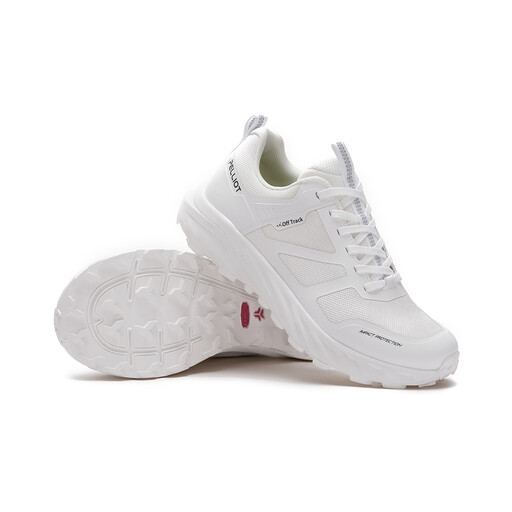
Why this product suits this profile: This unisex model combines a lightweight mesh upper with an EVA midsole, making it suitable for beginners who want to use it on roads and surfaced park paths. The size chart provides foot lengths in millimetres.
The product details specify the materials, fit options and measurements instead of relying solely on general promises of comfort.
Sandwich mesh for air circulation, an elastic EVA midsole and a ROCKYTEC rubber outsole, according to the product description.
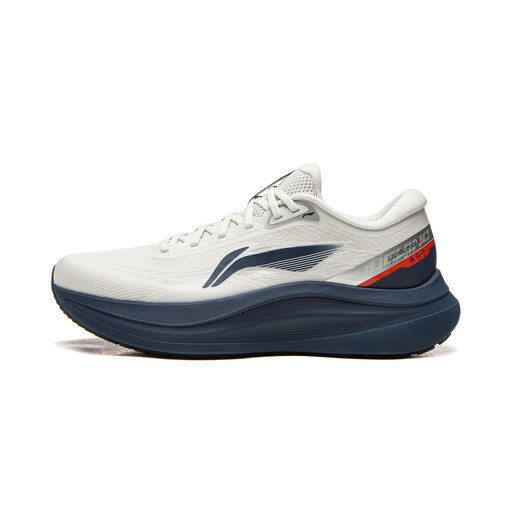
Why this product suits this profile: This shoe is aimed at users who prefer a roomier toe area, structured heel support and a full-length midsole for road running and everyday use.
The product description specifically highlights a widened toe box and a heel widened by 2 mm. If you need more room, going up half a size is recommended.
Full-length Tempo-Bounce midsole, PROBAR-LOC support and a rubber outsole with zoned tread, according to the manufacturer's details.
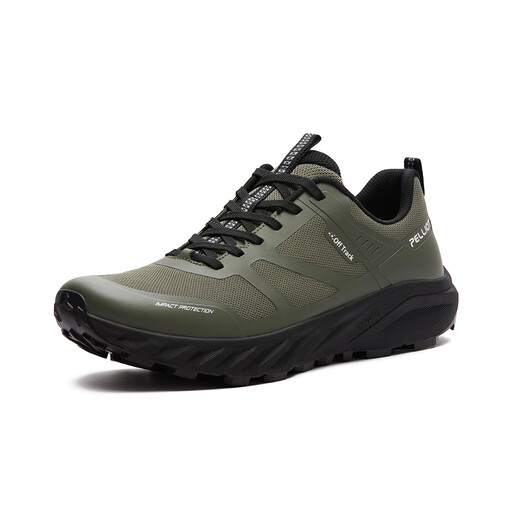
Why this product suits this profile: For regular runs, longer walks and switching between urban paths and firmer outdoor trails, this model offers a textile construction with an EVA midsole.
This version is described using more than just its weight: the upper, midsole and ROCKYTEC rubber outsole are all specified in detail.
EVA foam, abrasion-resistant fabric and treaded rubber for the stated use on roads, paths and a range of surfaces.
We've put together a complete, regularly updated list of products that fully meet these strict selection criteria and the safety regulations applicable in the EU.
Lifespan depends on how often you run, your body weight, the surface, storage conditions and the materials used. It is therefore not possible to give a reliable fixed mileage for every pair. Look out for the following signs that your shoes need replacing:
Textile men's trainers and running shoes should be left to air-dry after use. Wash them only in accordance with the care instructions. Direct heat, radiators and harsh cleaning products can damage EVA foam, adhesives and the upper.
For tarmac, models with a flexible midsole, even ground contact and a flatter rubber outsole are common. A pronounced trail tread may feel unnecessarily hard on smooth surfaces. Fit, running style and personal comfort remain the deciding factors.
There should be a small amount of space between your longest toe and the front of the shoe, so that your toes do not hit the front during the roll-through. Measure your foot while wearing running socks and compare the result with the size chart for the model in question. If you have wider feet, a wider fit or going up half a size may be sensible.
Replacement does not depend on age alone. Check the tread, midsole, heel support and upper regularly. With frequent training on tarmac, the outsole will usually wear faster than with occasional use on softer paths. As soon as the shoe is visibly unstable or permanently misshapen, consider buying a new pair.