
Lieferung heute & morgen

Qualitätsgarantie

Willkommens-Angebote freischalten: KOSTENLOSE Lieferung | Bis zu 80 % RABATT | Kostenlose 30-Tage-JoyPlus-Testphase
App herunterladen
Whether you are looking for men’s running shoes, running trainers for men or a classic trainer for the city, the right model should offer more than just good looks. Cushioning, fit, outsole grip and intended use all determine whether a shoe performs properly in everyday life or during sport. Our selection explains what shoppers in Germany should look out for before buying and which models suit different requirements.
Terms such as “Bounce”, “Energy Return” or “Carbon Plate” sound performance-focused, but on their own they say little about whether a shoe is genuinely suitable. A rigid plate can be useful in competition running shoes, but may feel unfamiliar during relaxed everyday runs or long walks. What matters is whether the construction and firmness suit your pace, running style and the surface you use them on.
Many shoppers rely solely on their usual EU size. Sizing can vary depending on the brand, the shoe last and the model. With running shoes, there should be a little room in front of the toes, while the heel should remain secure. If you have wide feet, look specifically for wide running shoes or a roomier toe box.
A smooth road outsole is designed for tarmac and treadmills. On damp woodland paths, loose stones or mud, however, you need an outsole with a pronounced tread and suitable grip. A lightweight road model is therefore not automatically a suitable trail running shoe. Men’s basketball shoes are not designed as running shoes either: their construction is intended for lateral movements and stopping.
With cushioned running shoes, the midsole should suit the intended use. EVA foam is widely used and can offer a balanced combination of weight, comfort and rebound. Multi-layer foam constructions or specialist plates are often designed for speed sessions and competitions.
For beginners and longer, slower runs, a comfortably springy midsole that is not too firm may be more practical. When reading the product description, look for the specific material details: EVA, TPU, Super-BOOM foam or a composite plate describe the construction more precisely than a general promise of comfort.
Lightweight running shoes are often made from mesh or woven textile. These materials can support airflow and reduce the overall weight of the shoe. TPU or polyurethane reinforcements improve shape retention, but can make the shoe less flexible.
Care is also important for German weather conditions. Many textile models should only be cleaned with a damp cloth and left to air-dry. A washing machine, strong cleaning products or direct heat can damage adhesives and materials.
The rubber compound and tread determine how the shoe connects with the ground. For urban runs, a flatter, hard-wearing tread is usually sufficient. For outdoor activities, deeper lugs and a slip-resistant rubber outsole are beneficial. A secure heel fit, a sufficiently wide base and neatly positioned lacing are also important factors.
If you use the shoes in the gym, look for good contact with the floor. A soft, heavily curved running sole may feel less direct during strength training than a flatter training model. A selection of suitable men’s gym shoes makes it easier to find the right pair.
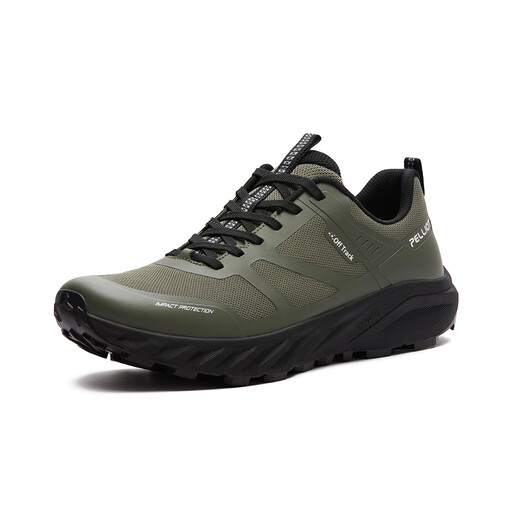
Why this product suits the profile: This model combines a sandwich-mesh upper with an EVA midsole and is designed for road running as well as transitions onto lighter paths. According to the listed details, sizes range from EU 39 to 45.
The description gives specific details about the materials, midsole, sizes and care instructions instead of relying only on general comfort claims.
EVA foam, breathable textile and a ROCKYTEC rubber outsole for road and outdoor use.
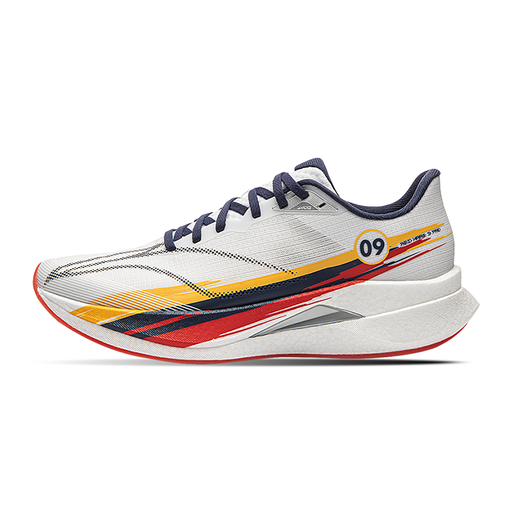
Why this product suits the profile: This running shoe is designed for training, speed sessions and longer distances. Its construction combines a dual-layer BOOM midsole, a widened platform and a breathable BOOM-FIBER upper.
The product data clearly indicates a performance-focused, relatively close-fitting design. If you need more room around the toes, you can therefore consider checking the next half size up.
Fibreglass support plate, GCU outsole and triple-layer BOOM construction according to the product description.
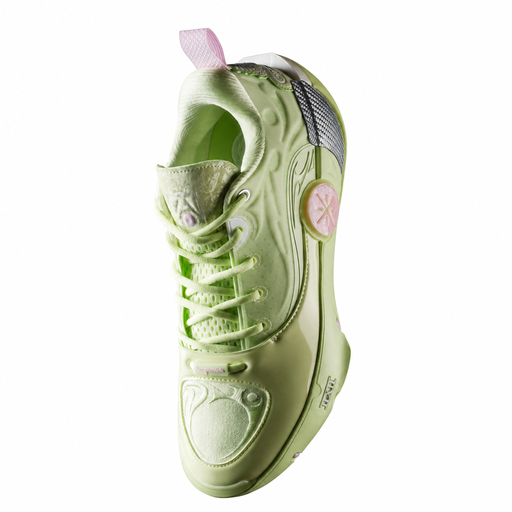
Why this product suits the profile: This model is designed for indoor and outdoor basketball involving rapid changes of direction. The description mentions a carbon-fibre plate in the heel area, a dual-layer SUPER-BOOM midsole and a GCU outsole.
Clearly classifying the shoe as basketball footwear helps prevent the common confusion with neutral men’s running shoes, which handle lateral strain differently.
Heel plate, flexible toe cap and GCU rubber outsole for stopping, starting and changing direction.
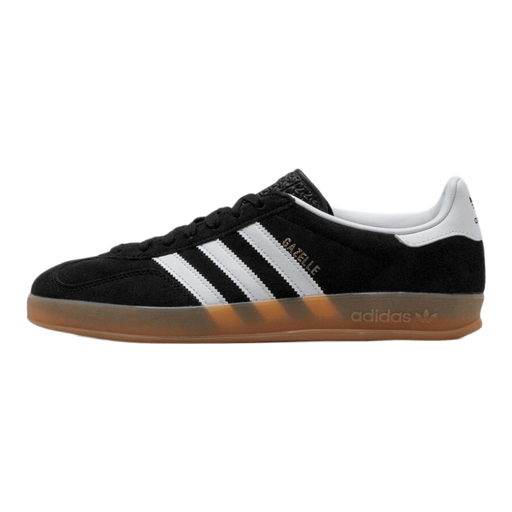
Why this product suits the profile: The Gazelle Indoor is designed as an everyday trainer with a suede upper, soft lining and rubber outsole. It works well with casual outfits and is not intended to be used as a running shoe for regular training.
Clearly presenting it as a lifestyle trainer prevents shoppers from assuming that its appearance means it offers the features of a running shoe.
Suede upper, rubber outsole and an extensive size selection according to the product data.
For a classic streetwear look, the adidas Samba OG and Nike Dunk Low are also worth considering. Both belong in the everyday trainer category and should be assessed in relation to the intended use, taking material care, foot width and the desired level of cushioning into account. If you are specifically looking for Li-Ning running shoes, lightweight training models or trail running shoes, you should also check the outsole type, size availability and returns policy.
We have put together a complete, regularly updated list of products that fully meet these strict selection criteria and the safety regulations applicable in the EU.
Their lifespan depends on how often you run, your body weight, the surface, care and the materials used. Clearly worn tread, a permanently compressed midsole or reduced support are practical signs that it is time for a replacement. A fixed mileage figure is therefore suitable only as a rough guide.
Models with a wide toe box, widened platform or specifically designated wide fit offer more room inside. When trying them on, your toes should not press against the sides. At the same time, your heel must not slip upwards. With some models, going up half a size may help, but it does not generally replace a wider shoe last.
The Samba OG and Gazelle Indoor are designed as everyday trainers with flat rubber outsoles. Depending on the model, they lack the cushioning and guidance features required for regular jogging. For running training, purpose-designed men’s running shoes are the more suitable product category.