
Lieferung heute & morgen

Qualitätsgarantie

Willkommens-Angebote freischalten: KOSTENLOSE Lieferung | Bis zu 80 % RABATT | Kostenlose 30-Tage-JoyPlus-Testphase
App herunterladen
Choosing a new shaver can quickly become overwhelming. Countless models, technologies, and marketing promises make it difficult to make an informed decision. As your Joybuy Product Recommendation Officer, I'm here to help you identify the essential features and avoid common purchasing traps, ensuring you find a device that truly suits your needs.
Before we dive into the details, let's address two common issues that often lead to disappointment and unnecessary expense.
Trap 1: The 'Waterproof' vs. 'Washable' Confusion Many manufacturers advertise water resistance, but the terms are not interchangeable. A shaver that is merely "washable" can only be rinsed under running water and is not suitable for use in the shower. A truly waterproof electric shaver for wet shaving should have at least an IPX7 certification. This standard guarantees the device can withstand temporary submersion without damage, making it safe to use in the shower. Look for this specification to prevent malfunctions from water damage.
Trap 2: The Hidden Long-Term Costs A low initial price can be deceptive. The true cost of a shaver often reveals itself in the replacement parts. Shaving heads for electric shavers or blades for cartridge razors can, over the years, amount to several times the original purchase price. Before buying, research the availability and prices of replacement blades or shaving heads. A classic safety razor can be a cost-effective alternative here, as its standardised blades are very inexpensive.
To find the right shaver, focus on three core aspects that have the biggest impact on shaving performance and comfort.
Electric shavers are mainly divided into two systems, each suited for different beard types and skin sensitivities.
Not every shaver is suitable for every area. While a standard facial shaver is designed for the beard, other body zones require specialised devices.
The option for a wet shave with foam or gel offers significant comfort, as it is gentler on the skin and improves the shaver's glide. A wet shaver is the classic choice here. However, many modern electric shavers offer a "Wet & Dry" function. This flexibility is particularly beneficial for men with sensitive skin but requires the aforementioned IPX7 certification for safe use.
Here are some recommendations tailored to specific needs and user profiles.
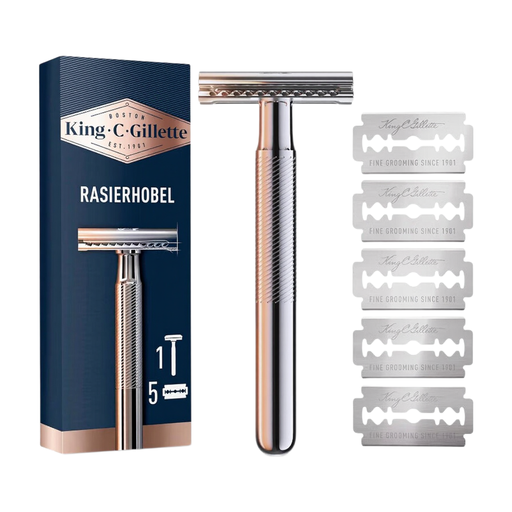
Why This Fits Their Persona: Ideal for users who prefer a traditional, close shave and value low running costs. The safety razor offers full control and a classic shaving experience without a high initial investment.
This safety razor bypasses the trap of high follow-up costs. Standardised double-edge blades are extremely affordable and widely available, reducing running costs to a minimum.
The closed comb protects the skin and controls the distance to the blade. The chrome-plated metal handle ensures durability and good balance during use.
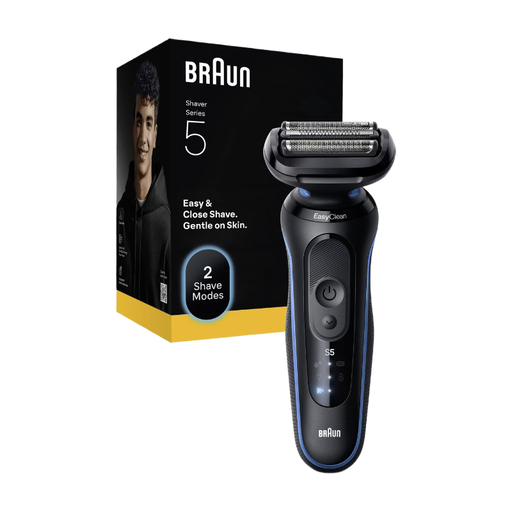
Why This Fits Their Persona: Perfect for daily use. The foil shaver provides a close and gentle shave, while the Wet & Dry function allows for use with shaving foam for extra skin protection.
This model is 100% waterproof, clearly specified for wet shaving in the shower. It avoids the "washable" trap. Replacement shaving heads from Braun are also widely available.
The 3 flexible blades adapt to facial contours and minimise pressure. The 5-minute quick-charge function is sufficient for one complete shave.
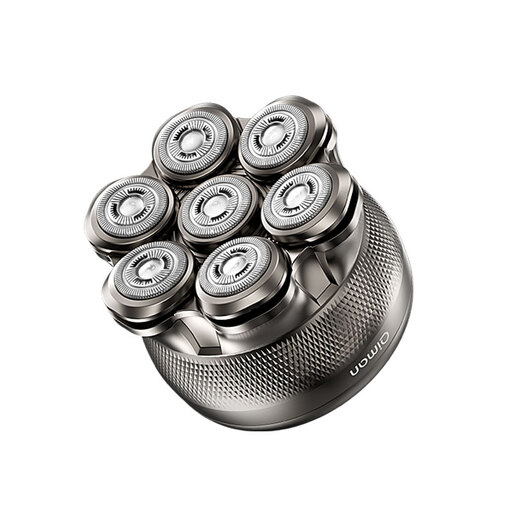
Why This Fits Their Persona: Specifically designed for a fast and thorough head shave. The 7D structure with multiple shaving heads adapts perfectly to the shape of the head, shaving large areas in a short time.
This device is a purpose-built head shaver, not a compromised all-rounder. It solves a specific problem efficiently and offers real added value with its Wet & Dry function.
The 7D floating shaving head ensures maximum skin contact without irritation. The LED display provides information on battery level and cleaning reminders.
We have compiled a complete, real-time list of products that fully satisfy these strict selection criteria and UK safety regulations.
1. How often should you replace the blades or shaving heads of a shaver? For wet shavers, the lifespan heavily depends on beard density and frequency of use; a common guideline is to replace them after 5 to 10 shaves. For electric shavers, most manufacturers, such as Braun or Philips, recommend replacing the shaving heads every 12 to 18 months to ensure optimal performance and hygiene.
2. Is a foil or a rotary shaver better for sensitive skin? Generally, foil shavers are considered gentler on the skin. The foil creates a physical barrier between the sharp blade and the skin, which reduces the risk of cuts and irritation. The linear motion is also less irritating than the circular motion of rotary shavers. Combining this with a wet shave function can further enhance comfort.
3. What does the IPX certification on an electric shaver mean? The IP rating (Ingress Protection) classifies a device's resistance to the ingress of foreign objects and water. For shavers, the water protection classes are particularly relevant: