
Lieferung heute & morgen

Qualitätsgarantie

Willkommens-Angebote freischalten: KOSTENLOSE Lieferung | Bis zu 80 % RABATT | Kostenlose 30-Tage-JoyPlus-Testphase
App herunterladen
Choosing the right men’s shoes starts with how you plan to use them, not how they look. A flat trainer may work well for everyday wear, but that doesn’t automatically make it suitable for long runs. Similarly, a highly cushioned running shoe may feel comfortable on tarmac, while grip and traction matter most on wet ground.
Everyday shoes, men’s basketball shoes and men’s running shoes are designed for different purposes. A men’s trainer with a flat rubber sole often gives you a more direct feel for the ground, but less support for repeated running movements. Basketball shoes, by contrast, need lateral stability and an outsole suited to quick changes of direction.
Labels such as “responsive”, “stable” or “lightweight” don’t tell you much on their own. What matters are the specific details about the midsole, sole material, tread, upper construction and fit. For running shoes, it should also be clear whether you’re looking at a training shoe, a lightweight running shoe or a racing shoe.
Sizing can vary between brands and shoe lasts. Check the stated foot length in centimetres and take your preferred sock thickness into account. If you need shoes for wide feet, forefoot width, toe-box space and heel hold matter more than a general size recommendation.
Smoother or lightly patterned soles are well suited to roads. Men’s trail running shoes, on the other hand, need deeper tread and abrasion-resistant materials to handle loose paths, damp sections and uneven ground more effectively. A trail shoe isn’t automatically suitable for indoor courts, as its rubber compound and tread are designed for different conditions.
Cushioned shoes can feel comfortable on longer runs. However, a softer midsole won’t suit every runner or running style. Look at the midsole construction, overall weight and platform width.
Lightweight running shoes reduce the weight on your feet, but still need to provide enough midfoot support. Racing shoes often prioritise low weight and a dynamic roll-through, while training models may be designed with everyday practicality and durability in mind.
Mesh and woven textiles often allow more air to reach your feet. Suede, as used on the adidas Samba OG men’s, has a textured finish and works well for dry, everyday wear, but needs gentle cleaning. Rubber and GCR outsoles vary in tread, abrasion resistance and intended use.
Check the care instructions before buying, too. Some models shouldn’t go in the washing machine and should only be cleaned with a damp cloth. After wearing them, let them dry slowly, away from direct heat.
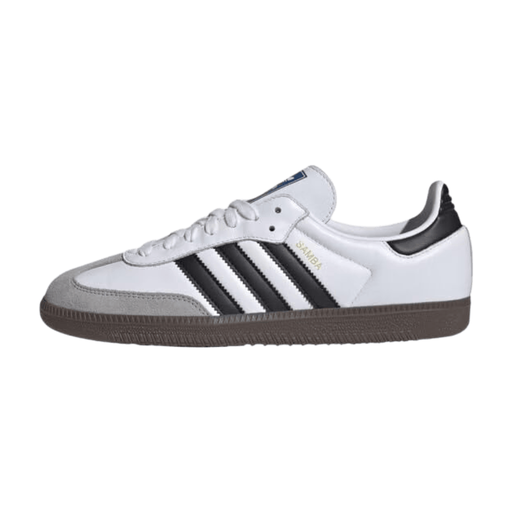
Why this product suits this profile: This low-profile everyday trainer pairs easily with casual clothes and is designed for getting around town and daily wear.
The product details clearly specify the upper, rubber sole, size range and care instructions. This makes it easier to assess the shoe on its merits, rather than judging it by its retro design alone.
Suede upper, natural rubber cupsole and available foot lengths from 22 to 31 cm.
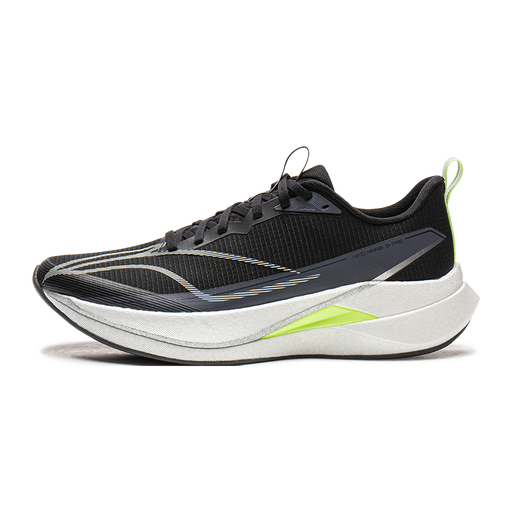
Why this product suits this profile: This model is aimed at runners looking for a wider platform, a breathable construction and a shoe suited to both training and longer runs.
The product description specifies the widened platform, BOOM midsole, TPU plate and GCR tread, rather than relying on vague promises of comfort.
Wider last construction, dual-layer BOOM midsole and GCR rubber outsole described as abrasion-resistant.
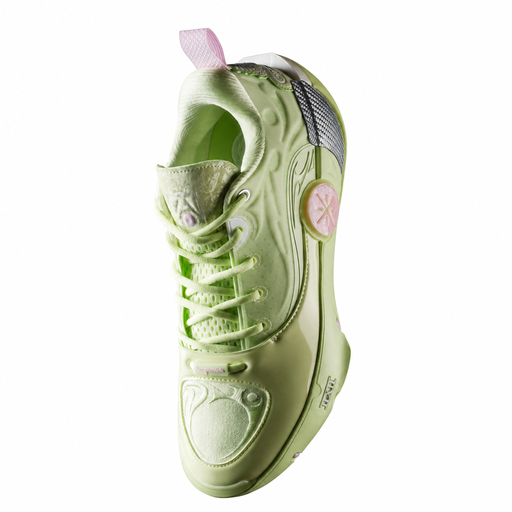
Why this product suits this profile: The construction is designed for movement on indoor courts and playing surfaces, including quick stops, starts and changes of direction.
Rather than making general claims about men’s sports shoes, the product details specify a GCU outsole, a carbon-reinforced heel and a TPEE toe cap.
Dual-layer SUPER-BOOM midsole, carbon plate in the heel and GCU rubber outsole, according to the product details.
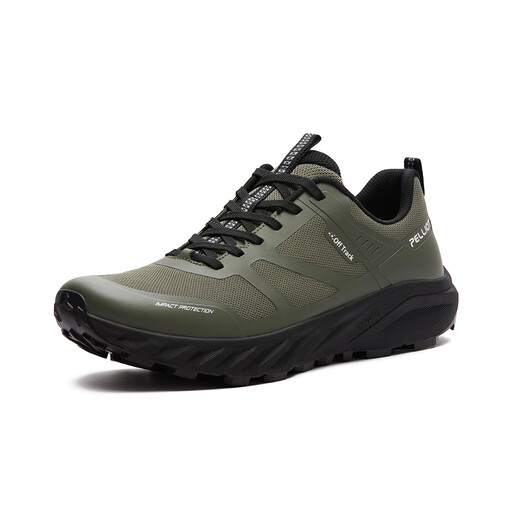
Why this product suits this profile: Designed for road running and stretches on easier paths, this shoe combines mesh with an EVA midsole.
The model is available in different fit options and uses clearly specified materials. This makes it easier to choose between a standard and a narrow fit.
Sandwich mesh, a flexible EVA midsole and a ROCKYTEC outsole, according to the product description.
We’ve put together a complete, regularly updated list of products that meet these strict selection criteria and fully comply with the safety regulations in force in the EU.
Ideally, measure both feet in the evening and compare the longer foot with the size chart for the specific model. Leave a little room between your toes and the front of the shoe. Basketball and running shoes should hold your heel securely without creating pressure points.
Their lifespan depends on your body weight, running surface, training frequency, care and the sole material. Check the tread regularly, along with any visible cracks or lasting uneven wear on the midsole. If the material is clearly worn, replace the shoes regardless of how they look on the outside.
No. Price alone tells you little about fit or suitability for your needs. What matters is the width of the last, tread, cushioning, stability, materials and how you’ll actually use the shoes. A well-fitting everyday trainer may be more practical for getting around town than a technically advanced running shoe, while dedicated men’s sports shoes are a better choice for regular training.