
Lieferung heute & morgen

Qualitätsgarantie

Willkommens-Angebote freischalten: KOSTENLOSE Lieferung | Bis zu 80 % RABATT | Kostenlose 30-Tage-JoyPlus-Testphase
App herunterladen
Men’s socks might seem like a straightforward everyday purchase. In practice, though, small details can make the difference between socks that slip inside your shoes, dig in at the cuff or lose their shape after just a few washes. The most common buying mistakes come down to unclear size information, misleading claims about materials and choosing the wrong sock length for your shoes.
A size such as “L”, “XL” or “41–46” doesn’t mean the same thing across every brand. Some retailers list EU shoe sizes, while others give foot lengths in centimetres or use international sizing. With men’s sports socks, stretchy materials may also cover a wider size range without fitting every foot shape equally well.
Before buying, check:
For many shoppers with shoe sizes 41 to 46, clear sizing information, such as that provided for the Skechers styles, is helpful. The size chart for the specific item should always be your main guide, though.
Cotton is often described as breathable across the board. It can feel comfortable and absorb moisture, but it doesn’t necessarily dry quickly during intense activity. Polyester, polyamide and blended fabrics can wick moisture away from the foot and often dry faster. The feel also depends on the knit, padding, shoes and how long you wear them.
So when choosing men’s cotton socks, check the exact fibre content. A style made from 72% cotton, 26% polyester and 2% elastane will have different properties from one made from 100% cotton.
Arch support, a reinforced heel, a cushioned sole or an antibacterial finish may be design features. They don’t replace the need for the right shoe size, nor do they automatically prove a particular health benefit. Claims about microorganisms or odour reduction should be understood as statements made by the manufacturer or retailer.
A well-fitting sock sits smoothly against your foot without wrinkling or cutting into your leg at the cuff. Socks that are too big can slip inside your shoes; styles that are too small put extra strain on your toes and heels. Men’s socks in size 41–46 can be a practical choice if they contain stretch, provided the specific size range suits your foot length.
Also look for:
Polyester and polyamide hold their shape well and are often used in lightweight, durable everyday socks. Cotton has a familiar, soft feel, but can stay damp for longer if your feet sweat heavily. Bamboo viscose is often chosen for its smooth feel and textile-like finish. However, the fibre isn’t automatically suitable for every type of sport.
For men’s running socks and gym socks, a good fit, ventilation zones and reinforced heels and toes are often more important than any single marketing claim. For everyday wear, lightweight men’s trainer socks or short men’s socks made from a cotton blend may be all you need.
Fibre information should be clear and easy to verify. EU textile fibre labelling is governed, among other things, by Regulation (EU) No 1007/2011. This can help you check whether the advertised material properties match the actual composition.
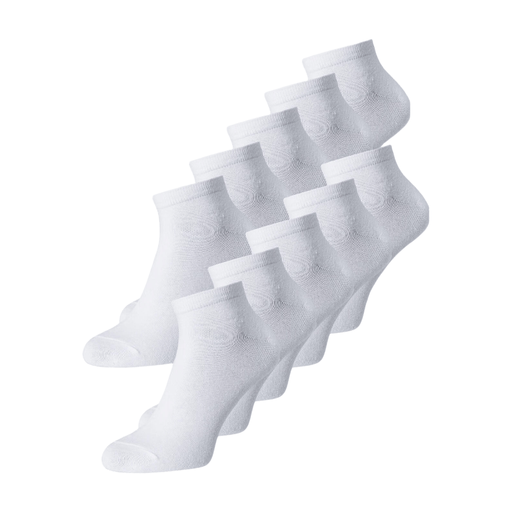
Why this product suits this profile: The ten-pair pack is designed for daily wear at the office, in your free time and on your commute. According to the product information, the blend is made up of 72% cotton, 26% polyester and 2% elastane.
The fibre content is clearly stated, making it easier to compare the material with your expectations of cotton socks and blended fabrics.
10 pairs; ankle length; machine washable at up to 40 °C, according to the product information.
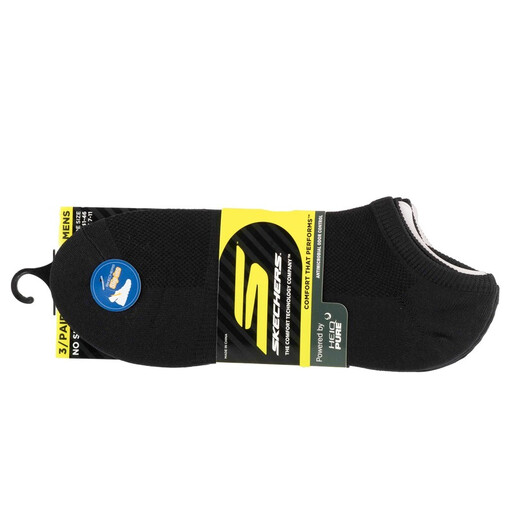
Why this product suits this profile: The stated size range of 41–46 and lightweight microfibre make this style worth considering for everyday wear, leisure and a range of low-cut shoes.
The size is given directly in EU sizing, reducing the risk of misinterpreting an international size.
Pack of 3; black design; lightweight microfibre, according to the product description.
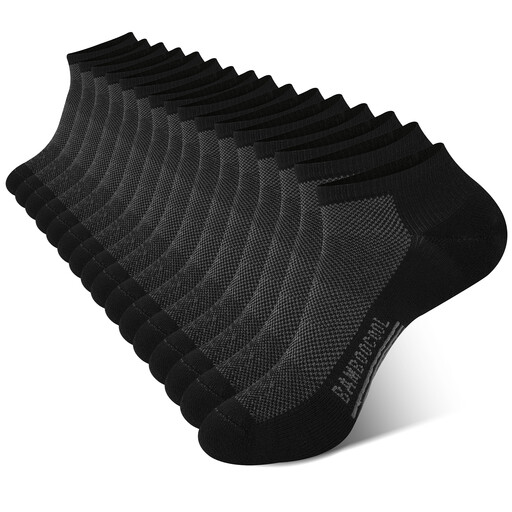
Why this product suits this profile: According to the product description, this style is designed for running, hiking, training and everyday wear. It features a cushioned sole, reinforced heel and toes, and an arch-support construction.
The product information lists specific design features rather than relying on vague terms such as “sports quality”. Check that size L or XL is right for you before buying.
Pack of 8; reinforced areas; cushioned sole and moisture management, according to the retailer.
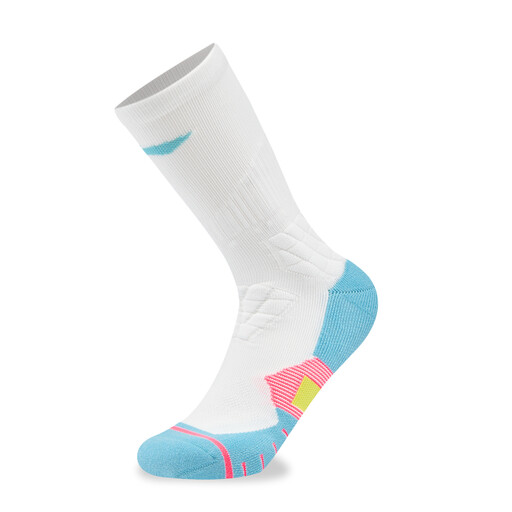
Why this product suits this profile: The mid-length design, elasticated cuff and polyester-elastane blend are made with basketball and high-energy activity in mind.
A foot length of 24–28 cm is more specific than a label such as XL on its own. Check the fit against the size chart and your own shoes.
Mid-length basketball sock; elasticated cuff; jacquard texture and fabric blend, according to the product description.
We’ve put together a complete, regularly updated list of products that meet these strict selection criteria and fully comply with the safety regulations in force in the EU.
How long men’s socks last depends largely on the wash temperature, drying method, shoe fit and how much wear they get each day. Always follow the care label. Many styles should be washed at a maximum of 40 °C and left to air dry. High tumble-dryer temperatures can damage elastane and affect the socks’ ability to hold their shape.
It’s a good idea to sort socks by material and colour, turn them inside out before washing and avoid unnecessarily hot washes. For sports and running socks, don’t leave sweat and dirt in the fabric for too long.
For the office, commuting and leisure, short men’s socks, trainer socks or classic ankle socks in a stretchy blend are versatile choices. The key things are the right size, a smooth toe area and a cuff that stays in place without digging in.
For everyday wear, it’s best to change your socks after each wear. After sport, running or heavy sweating, change them straight away and wash them according to the care instructions. Replace socks that are damaged, stretched out or keep slipping, whatever their age.
Bamboo viscose can feel soft and smooth. For sport, though, fit, reinforcement, cushioning and moisture management are also important. Check the full material and product description rather than relying on the fibre name alone.