
Lieferung heute & morgen

Qualitätsgarantie

Willkommens-Angebote freischalten: KOSTENLOSE Lieferung | Bis zu 80 % RABATT | Kostenlose 30-Tage-JoyPlus-Testphase
App herunterladen
Lightweight men’s sports shoes often look similar in product images. In practice, however, the fit, sole construction and intended use determine whether a shoe is suitable for training, road running or everyday wear. Focusing only on low weight or attention-grabbing technology names can quickly lead to buying a model that does not suit your foot or running style.
Terms such as “energy return”, “response speed” or “carbon plate” may sound impressive. However, they do not automatically indicate whether a shoe is suitable for slow distance runs, daily training or racing. A carbon plate, for example, can alter the way the shoe rolls through the stride and is not necessarily useful for every runner during every training session.
A narrow, sporty cut may feel suitable when standing, while your toes hit the front of the shoe as you roll through your stride. This is particularly important with marathon running shoes, as feet often need a little more room over longer distances. The size guidance for the specific model and the available width are therefore more important than the EU size alone.
A shoe with a very lightweight construction can behave differently on wet tarmac, paving or smooth indoor floors. For road running and changing conditions, information about the rubber compound and tread is more helpful than general claims such as “suitable for all surfaces”. Durability also depends heavily on the surface, your body weight and how much you train.
Ideally, measure both feet in the evening and wear the socks you plan to use for sport. There should be a small amount of room for movement between your longest toe and the front of the shoe. Your heel should not slip noticeably when walking or running.
For a standard foot and a conventional running-shoe width, your regular training size can be a sensible starting point. If you have wide feet or wear thicker socks, check the size chart and consider going up half a size if necessary. A snug fit suitable for racing is not the same as a fit that remains comfortable for everyday wear.
The midsole affects how directly you feel the ground and how your foot is supported as you roll through your stride. Softer foams may feel more comfortable, while firmer constructions often provide a more direct running sensation. Energy-return claims should always be understood as manufacturer’s specifications and should not be treated as a guarantee of improved performance.
Carbon running shoes and other plated racing shoes are primarily designed to provide a specific rolling action and feel at faster paces. For daily, slower sessions, a versatile training shoe may be the more practical choice. Your training goals, experience, distance and personal comfort preferences are all key considerations.
A mesh or textile upper can help with ventilation. TPU or synthetic reinforcements provide stability in specific areas, but can also make the shoe less flexible. For long runs, the midfoot should feel secure without creating pressure points.
The outsole should match the surface you intend to use it on. Rubber with specified grip is important for road running and changeable weather. For everyday wear, flatter sole patterns are often more suitable. Care instructions such as hand cleaning, air drying and avoiding machine washing can help preserve the material quality for longer.
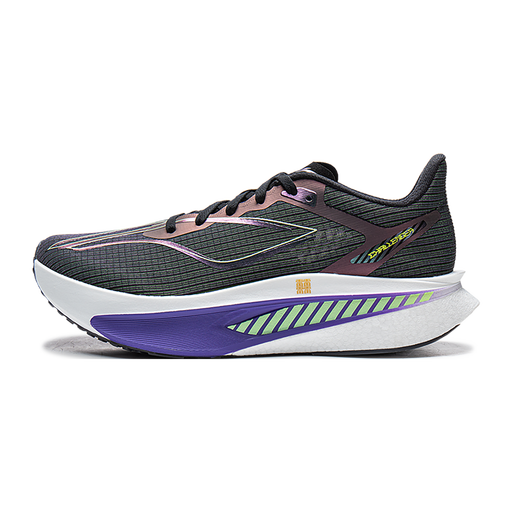
Why this product suits this profile: This shoe is aimed at shoppers looking for a lightweight men’s running shoe for daily runs and a range of training sessions, without necessarily needing a carbon plate.
The product description specifies a textile upper construction, TPU or synthetic reinforcements and a GCR rubber outsole. This allows you to check ventilation, support and grip before buying.
Lightweight construction, textile upper and GCR rubber with specified grip on different surfaces.
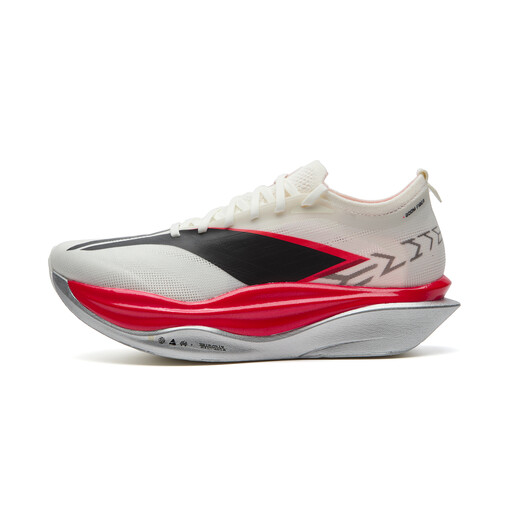
Why this product suits this profile: This model is designed for road racing and long distances. It is a good fit for runners specifically looking for a marathon running shoe with a carbon plate and a race-focused fit.
The construction features a T1000 carbon-fibre plate, a bootie upper and a GCU outsole. This allows shoppers to check specifically whether they want a firm racing grip and a close-fitting feel.
According to the manufacturer’s specifications, the SUPER BOOM CAPSULE midsole provides 95 per cent energy return; GCU grip and a T1000 carbon-fibre plate are also specified.
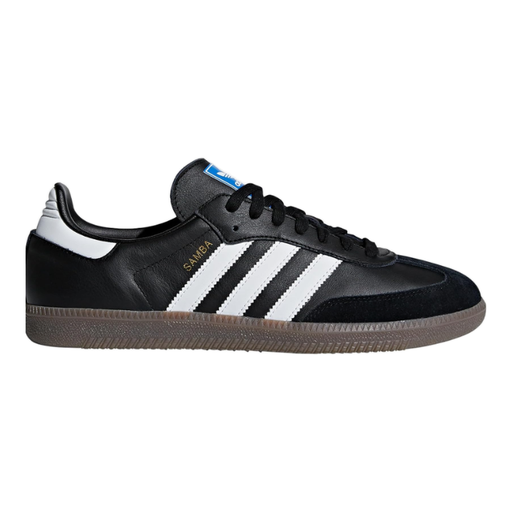
Why this product suits this profile: As a classic men’s trainer, the Samba OG is suitable for everyday wear, streetwear and short journeys. It is therefore an alternative to sports shoes when you do not need running shoes for training or racing.
The low-profile shape and rubber sole make the intended use clear: everyday wear and leisure rather than marathons or intensive running sessions.
Synthetic upper, leather panels, suede overlays and rubber sole; cleaning with a damp cloth and natural air drying are recommended.
For regular training, it can be useful not to complete every session in the same pair. A versatile training shoe is suitable for easy runs and everyday sessions. Lightweight racing shoes or carbon running shoes, on the other hand, can be kept for faster sessions and races. This reduces wear on each individual shoe and makes it easier to adapt to different training goals.
Also pay attention to the condition of your shoes: creasing in the upper, unevenly worn soles and reduced grip are practical signs that it may be time for a replacement. There is no reliable universal mileage limit for all users, as the surface, running technique and body weight all affect a shoe’s lifespan.
We have put together a complete, regularly updated list of products that fully meet these strict selection criteria and the safety regulations applicable in the EU.
The heel should be held securely without creating pressure. Your toes need sufficient freedom of movement in the forefoot. Try on running shoes with the socks you intend to wear, preferably later in the day.
Durability depends on how much you train, the surface, care and the materials used. A visibly worn tread, a midsole that has permanently lost its shape or reduced support are more meaningful indicators than a general time period.
No. Carbon running shoes are designed around a specific rolling action and generally higher speeds. For easy runs, a more flexible training shoe may be better suited, depending on your personal preferences and running goals.