
Lieferung heute & morgen

Qualitätsgarantie

Willkommens-Angebote freischalten: KOSTENLOSE Lieferung | Bis zu 80 % RABATT | Kostenlose 30-Tage-JoyPlus-Testphase
App herunterladen
Men’s sports shoes are often bought based on their looks, brand name or eye-catching claims about cushioning. This can lead to the wrong choice: a lightweight shoe isn’t automatically suited to long runs, a grippy outsole designed for trails may not feel comfortable on tarmac, and a popular trainer may not be built for quick changes of direction.
That’s why it’s worth considering the intended use, fit and construction before you buy. Our selection features options for basketball, road running, trail running and everyday wear, helping you work out which shoes best suit your needs.
The description ‘for road and trail’ sounds convenient, but tells you little about how a shoe performs in practice. A shoe with a deep tread may be useful on wet woodland paths, but behave differently on a smooth indoor court. For regular runs on tarmac, men’s running shoes with an even outsole are usually more practical than a trail running shoe with a particularly deep tread.
A soft midsole can’t make up for an unsuitable last shape. If your heel moves around or your toes press against the front of the shoe, even a cushioned running shoe can become uncomfortable. That’s why toe room, heel hold and forefoot width matter.
Lightweight running shoes often use airy mesh materials. These can reduce weight and improve ventilation, but depending on how you use the shoes, they may need a reinforced outer layer. If you run frequently, cover different types of terrain or wear your shoes every day, check the abrasion zones, outsole material and care instructions.
When choosing cushioned running shoes, don’t just look at the height of the foam. The width of the platform, heel support and transition from heel to forefoot also matter. Stability running shoes often have a wider base or additional support features. That doesn’t mean they’re automatically a better fit for everyone.
A carbon-fibre plate or reinforced plate can make the construction stiffer. In basketball shoes, its exact position matters: a carbon plate in the heel serves a different purpose from a full-length plate in a race-day running shoe. According to the manufacturer’s product information for the Li-Ning WAY OF WADE 12, it has a reinforced carbon plate in the heel.
Breathable sports shoes with mesh or a woven upper can help heat and moisture escape. At the same time, high-wear areas such as the toe and heel should be sufficiently reinforced. EU sizing is just a starting point, as last width and internal length vary between models.
Here’s a practical fit check:
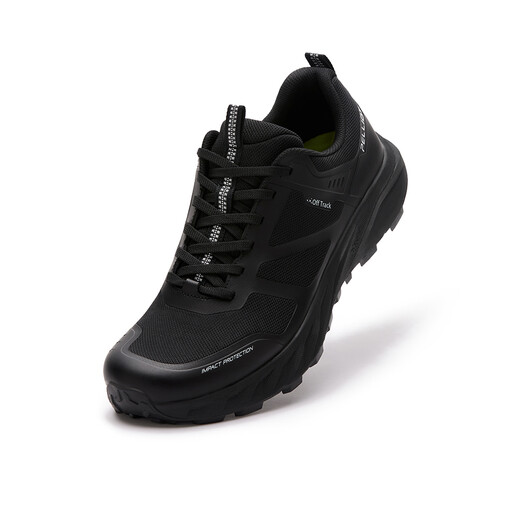
Why this product suits this profile: According to the product information, this model has a lightweight mesh and woven upper, an EVA midsole and a ROCKYTEC outsole. It’s a good option for beginners who want to combine runs around town with routes on paved surfaces.
The product description lists specific materials and several fit options, so buyers don’t have to rely solely on words such as ‘lightweight’ or ‘comfortable’.
Mesh upper, EVA foam and specified outsole; available in standard and slim fits.
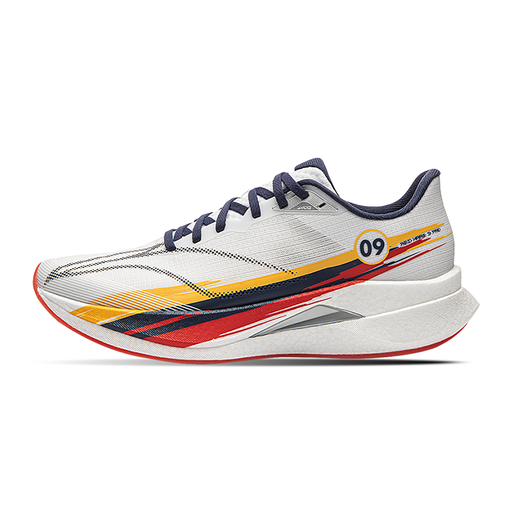
Why this product suits this profile: According to the manufacturer, this model is designed for runners looking for a wider platform, a dual-layer BOOM midsole and a breathable woven construction.
The shoe isn’t marketed on cushioning alone: the product information also specifies the platform width, TPU element, GCR outsole and sizing recommendation.
Wider fit, BOOM foam and a GCR rubber outsole with zoned tread, according to the product information.
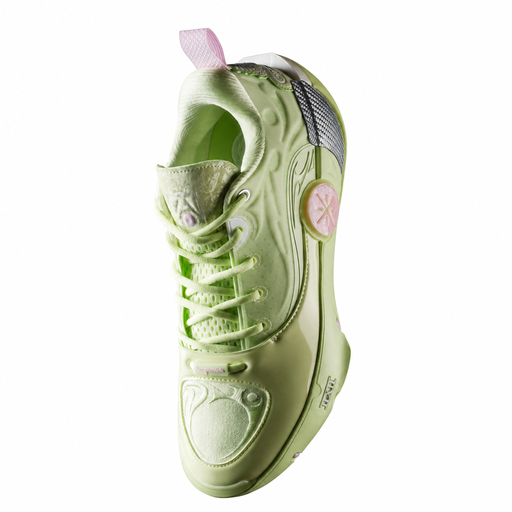
Why this product suits this profile: According to the manufacturer, these basketball shoes combine a dual-layer SUPER-BOOM midsole, a reinforced carbon plate in the heel and a lightweight GCU outsole. They’re suited to players who spend a lot of time on court.
The construction is clearly designed for basketball movements, rather than being presented as an all-purpose everyday shoe. A half size up is recommended for wider feet.
SUPER-BOOM foam, a carbon plate in the heel and a GCU outsole, according to the product description.
We’ve put together a complete, regularly updated list of products that meet these strict selection criteria and fully comply with the safety regulations in force in the EU.
A shoe’s lifespan depends more on how it’s used, the wearer’s weight, the surface and how it’s cared for than on its name. Running shoes shouldn’t be left wet for long periods. After training, we recommend that you:
Trainers such as the adidas Samba OG, with its suede upper and rubber sole, need different care from breathable running shoes. The Nike Dunk Low, with synthetic and textile elements, is designed for everyday wear and leisure; for regular running training, choose a model made for the purpose.
There’s no reliable way to give a fixed lifespan for every model. How often you wear them, the surface, care and outsole wear all make a difference. Signs that it may be time to replace your running shoes include reduced cushioning, cracks in the upper or noticeably worn tread.
It depends on the fit, cushioning and what you’re used to. Low weight alone says nothing about comfort or durability. For longer distances, pay particular attention to enough room for your toes, secure heel hold and an outsole suited to your route.
Yes, as long as the fit and tread feel comfortable. However, their construction and outsole compound are often designed for movements on court. Depending on how you use them, everyday trainers or running shoes may be more practical for long walks around town or changeable weather.